Museum Closure Sparks Debate Over Indigenous Artifact Repatriation
A financial dispute has led to the closure of a museum housing repatriated Indigenous artifacts, raising concerns about cultural heritage preservation. We analyze the situation and its future implications.
Financial Dispute Closes Museum Home to Repatriated Indigenous Artifacts: What You Need to Know
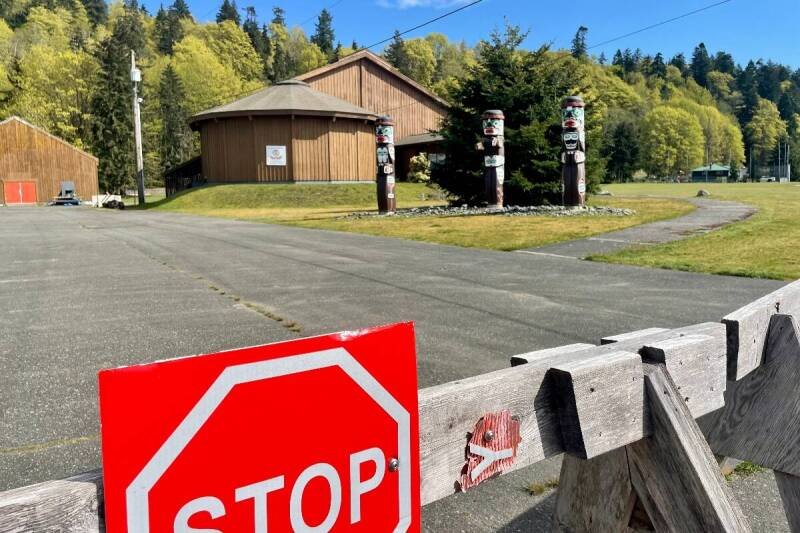
A museum housing significant repatriated Indigenous artifacts has been forced to close its doors due to a long-standing financial dispute. The We Wai Kai Nation says the closure stems from disagreements over museum expenses. This situation highlights the complexities and challenges involved in preserving and showcasing Indigenous cultural heritage.
The Background: A Clash Over Finances
The details of the financial dispute haven't been fully disclosed, but the We Wai Kai Nation has indicated that disagreements over museum expenses are at the heart of the problem. It's likely the dispute involves funding allocation, operational costs, and perhaps even disagreements over how revenue generated by the museum is managed.
This situation raises questions about the sustainability of museums dedicated to Indigenous culture, particularly those that rely heavily on external funding or partnerships.
Why This News Matters
The closure of this museum is significant for several reasons:
- Loss of Cultural Space: Museums like this provide vital spaces for displaying and interpreting Indigenous history and culture. Their closure means less access for the public and, crucially, for Indigenous communities themselves.
- Impact on Repatriation Efforts: The closure casts a shadow over the repatriation process. If museums can't be adequately funded and sustained, it raises concerns about the long-term security and accessibility of repatriated artifacts.
- Highlighting Funding Gaps: The dispute underscores the need for more reliable and equitable funding models for Indigenous cultural institutions.
- Erosion of Trust: Disputes like this can erode trust between Indigenous nations, government bodies, and other stakeholders involved in cultural preservation.
Our Analysis
In our opinion, the closure highlights a systemic issue: a lack of sufficient and sustainable funding for Indigenous-led cultural institutions. Repatriation is a crucial step towards reconciliation, but it's only effective if the artifacts can be properly cared for and made accessible to the communities they belong to.
The financial dispute also suggests a need for greater transparency and communication in the management of museum funds. All parties involved need to be on the same page regarding budgeting, spending, and revenue allocation.
It's also worth considering the impact of tourism. Many museums rely on tourism revenue, which can be volatile and vulnerable to external factors like economic downturns or global pandemics. Diversifying funding streams is crucial for long-term sustainability.
Future Outlook
The future of the museum remains uncertain. Several potential outcomes are possible:
- Resolution and Reopening: The We Wai Kai Nation and other stakeholders could reach a resolution, leading to the reopening of the museum. This would require a renewed commitment to financial transparency and a sustainable funding model.
- Relocation of Artifacts: The artifacts could be relocated to another museum or cultural center, either within the We Wai Kai Nation's territory or elsewhere. This would require careful planning and consultation to ensure the artifacts are properly cared for and accessible.
- Permanent Closure: Unfortunately, a permanent closure is also possible. This would be a significant loss for both the Indigenous community and the broader public.
This could impact future decisions regarding repatriation and museum funding across Canada. In our opinion, it's crucial that governments and other funding bodies learn from this situation and develop more robust and equitable support systems for Indigenous cultural institutions.
Moving forward, open dialogue and collaborative problem-solving are essential to ensure that Indigenous cultural heritage is preserved and celebrated for generations to come.