Discovery Islands Museum Closure: Indigenous Artifacts and Financial Dispute
The Discovery Islands Museum has closed due to a financial dispute between the We Wai Kai Nation and the museum board. This article explains the closure, the impact on Indigenous artifacts, and future outlook.
Discovery Islands Museum Closes Amid Financial Dispute: What It Means for Indigenous Artifacts
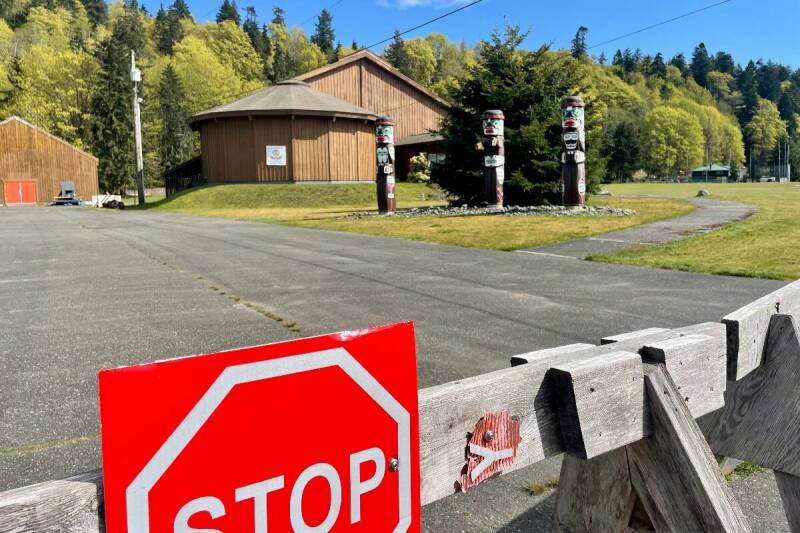
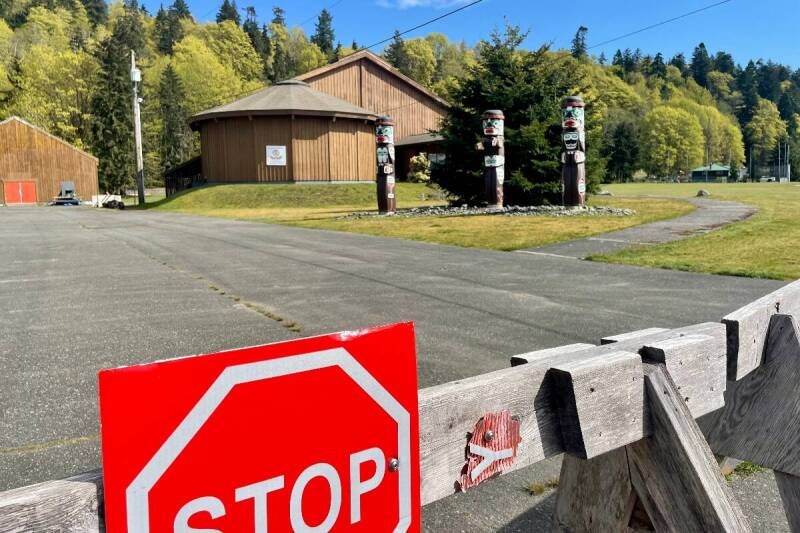
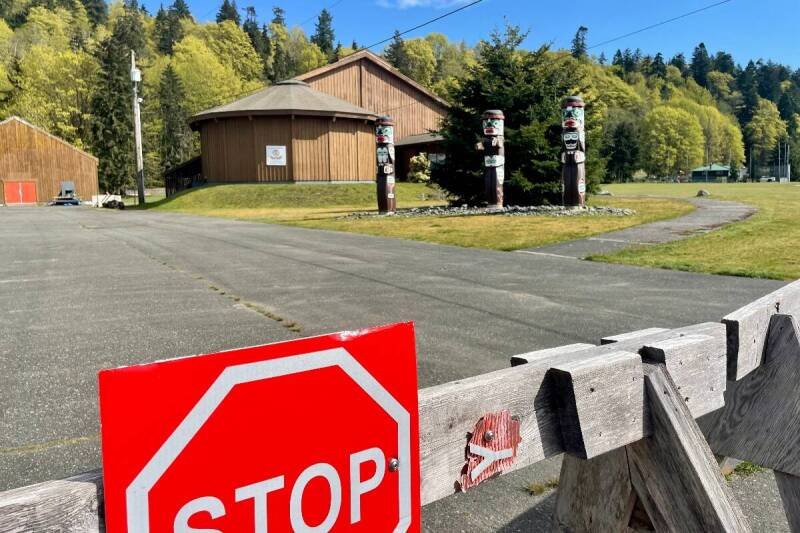
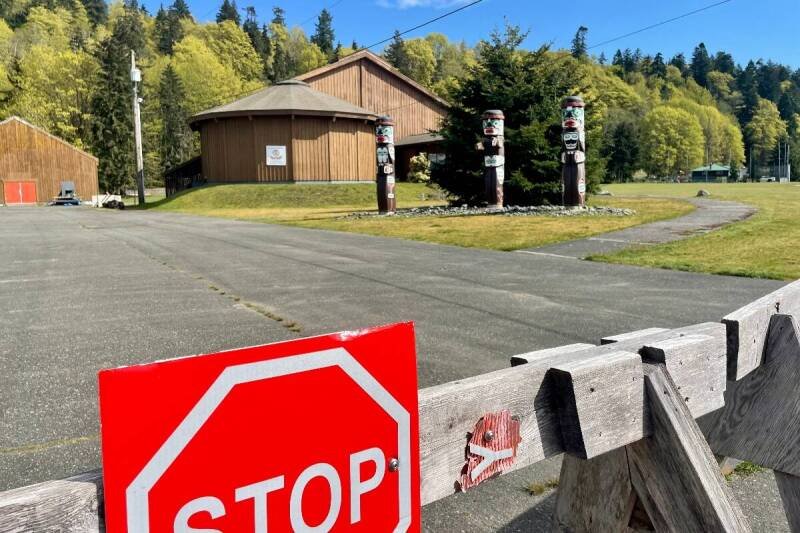
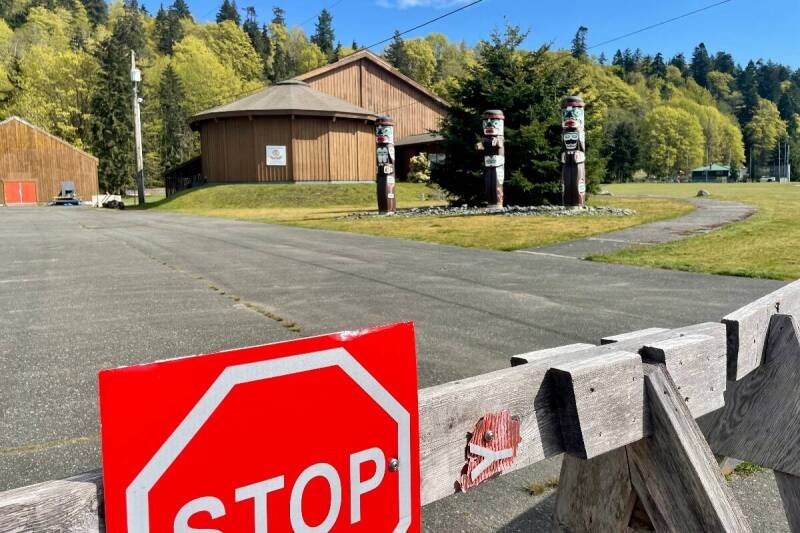
The Discovery Islands Museum in Campbell River, British Columbia, has unexpectedly closed its doors. This closure stems from a long-standing financial disagreement between the We Wai Kai Nation and the museum's board of directors. The museum housed a significant collection of artifacts, including repatriated Indigenous items, making its closure a matter of concern for cultural preservation.
The Heart of the Matter: A Financial Clash
The We Wai Kai Nation, a key partner in the museum's operations, asserts that the closure is a direct result of unresolved disputes over museum expenses. While specific details of the financial disagreements haven't been publicly disclosed, it appears the nation and the museum board couldn't reach an agreement on funding allocation and financial management. This impasse ultimately led to the difficult decision to shutter the museum.
The museum board has not yet released a public statement regarding the closure or the nature of the financial dispute. This lack of transparency adds to the uncertainty surrounding the future of the museum and its collection.
Impact on Repatriated Indigenous Artifacts
The Discovery Islands Museum held a unique position in preserving local history, especially regarding Indigenous culture. A crucial part of its collection consisted of repatriated artifacts - items returned to the We Wai Kai Nation from other institutions or private collections. These artifacts represent a vital link to the nation's past and are essential for cultural education and preservation.
The closure raises serious questions about the safety and accessibility of these repatriated items. The We Wai Kai Nation will likely seek to ensure the artifacts are appropriately stored and protected, with the ultimate goal of making them available for community members and researchers in the future. The current location and state of the artifacts are currently unknown to the public.
Why This News Matters
The closure of the Discovery Islands Museum underscores the importance of clear communication, mutual respect, and sound financial planning in partnerships between Indigenous communities and institutions holding cultural heritage. It highlights the potential consequences of unresolved disputes on the preservation and accessibility of invaluable artifacts.
This event also serves as a reminder of the ongoing need for reconciliation and collaboration in the care and stewardship of Indigenous cultural heritage. Museums must prioritize building strong, equitable relationships with Indigenous communities and ensuring their voices are central to decision-making processes.
Our Analysis
In our opinion, the closure of the Discovery Islands Museum is a significant loss for the community and for Indigenous cultural preservation. The financial dispute highlights the challenges of managing cultural institutions, especially when partnerships involve different priorities and perspectives. The lack of a public statement from the Museum board has further exacerbated the concerns.
The fate of the repatriated artifacts is of particular concern. It's crucial that the We Wai Kai Nation is given the resources and support needed to ensure the artifacts are protected and accessible. This situation underscores the need for clear agreements and protocols regarding the ownership, care, and display of Indigenous cultural property.
This could impact the local tourism industry and the region's ability to educate visitors about its history and culture.
Future Outlook
The future of the Discovery Islands Museum remains uncertain. It's possible that the financial dispute can be resolved, allowing the museum to reopen under new management or with a revised operating model. Alternatively, the artifacts could be transferred to another institution or the We Wai Kai Nation may choose to establish its own cultural center to house the collection.
Moving forward, transparency and collaboration will be key to finding a sustainable solution. All parties involved must engage in open and honest dialogue to address the underlying issues and ensure the long-term preservation of the region's cultural heritage.
The We Wai Kai Nation will likely explore options for creating a new cultural space that prioritizes their self-determination and cultural sovereignty. This could involve partnering with other Indigenous communities or seeking funding from government agencies and philanthropic organizations.