Discovery Islands Museum Closure: Indigenous Artifacts at Risk Amid Financial Dispute
The Discovery Islands Museum has closed due to a financial dispute between the We Wai Kai Nation and the museum board. Learn about the implications for repatriated Indigenous artifacts and the future of cultural heritage preservation.
Discovery Islands Museum Shuts Down Amid Financial Dispute: What This Means for Indigenous Artifacts
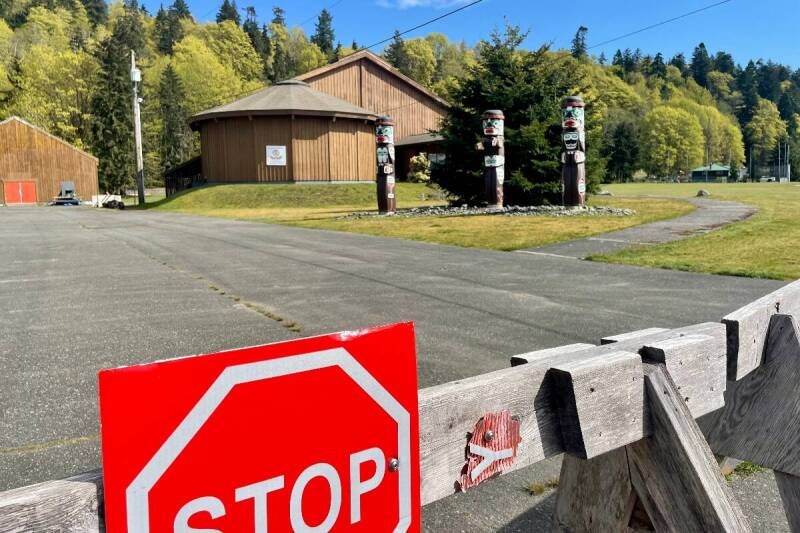
The Discovery Islands Museum, located in British Columbia, Canada, has abruptly closed its doors due to a long-standing financial dispute between the We Wai Kai Nation and the museum's board. This closure raises serious concerns about the fate of repatriated Indigenous artifacts housed within the museum's collection.
The Heart of the Dispute: Money Matters
The We Wai Kai Nation, the First Nations community closely linked to the museum, claims the closure stems from an unresolved disagreement over museum expenses. While specific details remain undisclosed, the dispute reportedly involves concerns about the allocation and management of funds related to the museum's operations.
A Collection at Risk
The Discovery Islands Museum held a significant collection, including invaluable Indigenous artifacts that had been repatriated to the region. Repatriation is the process of returning cultural objects or human remains to their place of origin or ancestors. This process is a vital step in reconciliation and honoring Indigenous heritage. The closure puts the future and care of these culturally significant items in question.
Why This News Matters
The closure of the Discovery Islands Museum is more than just a local news story. It highlights critical issues surrounding:
- The importance of financial transparency and accountability in museums, especially those housing Indigenous artifacts.
- The need for stronger partnerships between Indigenous communities and institutions holding their cultural heritage.
- The vulnerability of repatriated artifacts when proper funding and management structures are not in place.
- The potential damage to reconciliation efforts when disputes like this arise.
Our Analysis
In our opinion, this situation underscores a systemic problem. Museums are often underfunded, and those located in smaller communities or focusing on Indigenous history face even greater financial challenges. The dispute between the We Wai Kai Nation and the museum board suggests a breakdown in communication and a lack of shared understanding regarding financial responsibilities.
Furthermore, it raises questions about the long-term sustainability of repatriation efforts. It's not enough to simply return artifacts; adequate resources and support must be provided to ensure their preservation and accessibility for future generations. This could impact how Indigenous communities approach future repatriation requests.
Future Outlook
The immediate priority is to secure the artifacts and ensure their safekeeping. Negotiations between the We Wai Kai Nation and the museum board must resume, with a focus on finding a mutually agreeable solution that prioritizes the preservation of the cultural heritage. This requires open and honest dialogue, a willingness to compromise, and a commitment to reconciliation.
Possible solutions could include:
- Mediation involving a neutral third party with expertise in Indigenous cultural heritage and museum management.
- Securing additional funding from government sources or private donors specifically earmarked for the care and preservation of the repatriated artifacts.
- Restructuring the museum's governance model to ensure greater representation and involvement from the We Wai Kai Nation.
Ultimately, the future of the Discovery Islands Museum and the fate of its collection depend on the willingness of all parties to work together in a spirit of collaboration and respect. A positive outcome will not only safeguard Indigenous cultural heritage but also strengthen the bonds between the We Wai Kai Nation and the broader community. A negative outcome could severely damage trust and set back reconciliation efforts for years to come.
This incident should serve as a wake-up call for museums across Canada and beyond, prompting a re-evaluation of their relationships with Indigenous communities and a renewed commitment to the ethical and responsible stewardship of cultural heritage.