Aung San Suu Kyi Sentence Reduced: What It Means for Myanmar
Aung San Suu Kyi's sentence reduced amid Myanmar amnesty. Explore the implications, future outlook, and our expert analysis on this significant development.



Aung San Suu Kyi's sentence reduced amid Myanmar amnesty. Explore the implications, future outlook, and our expert analysis on this significant development.
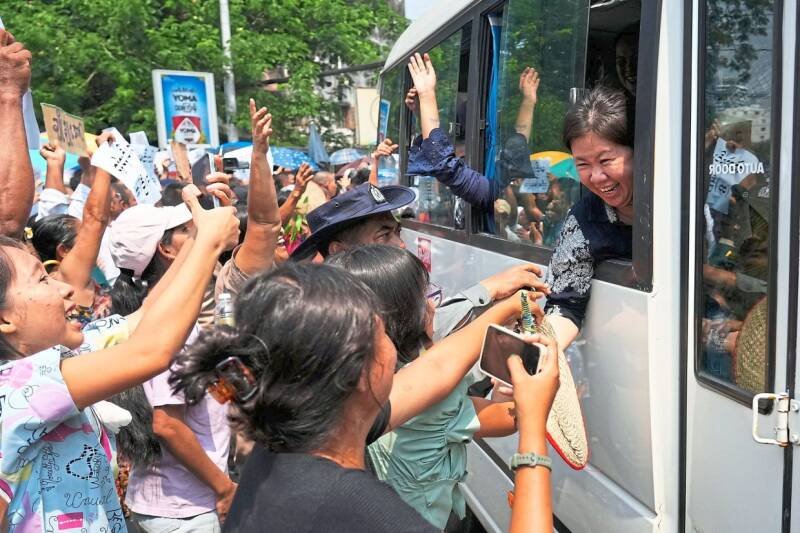
In a potentially significant development for Myanmar's political landscape, the sentence of former leader Aung San Suu Kyi has been reduced. This reduction is part of a broader amnesty announced by the new president, who came to power following the military coup five years ago. Her lawyer confirmed the news, bringing a wave of cautious optimism to supporters both within Myanmar and internationally.
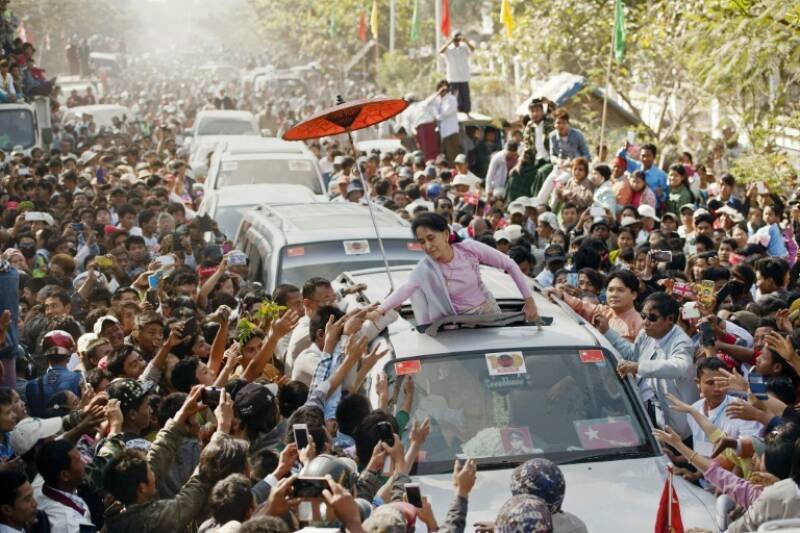
While specific details of the sentence reduction remain somewhat unclear, the announcement signals a possible shift in the military junta's stance towards Suu Kyi, who has been a symbol of democratic resistance since the coup in 2021. She was previously sentenced to decades in prison on various charges widely viewed as politically motivated. Any reduction, however small, is a noteworthy change.
This isn't just about one individual. Aung San Suu Kyi's situation is deeply intertwined with the fate of Myanmar itself. Her imprisonment has been a major sticking point in international relations, drawing condemnation from world leaders and organizations advocating for human rights and democracy. This reduction, while not a complete release, could represent a step towards a more inclusive and stable political environment. A step that could unlock future political negotiations and potentially ease international pressure.
In our opinion, the amnesty and sentence reduction are likely driven by a combination of factors. The military junta is facing increasing internal resistance, coupled with persistent international pressure. The situation in Myanmar is complex and multilayered.
However, it's crucial to remain cautious. While the reduction is welcome, it doesn't erase the injustices of the coup or the ongoing repression of dissent. The fact that Suu Kyi remains under detention underscores the deeply entrenched power of the military. It is important to view this as one small step, and not necessarily the beginning of a shift towards democracy.
Predicting the future of Myanmar is challenging, but several potential scenarios could unfold in the coming months:
This could impact Myanmar's role in Southeast Asia and its relationships with key partners like China, India, and the United States. The international community will be watching closely to see how the situation develops and whether this amnesty marks a genuine shift towards a more democratic and inclusive Myanmar.
Ultimately, the future of Myanmar hinges on the willingness of all parties to engage in meaningful dialogue and work towards a peaceful resolution of the conflict. This sentence reduction could be a small crack in the door for that process to begin.