Trump Claims Iran Agrees to Hand Over 'Nuclear Dust': What Does It Mean?
President Trump announced Iran agreed to turn over "nuclear dust." This article explains what that means, why it matters, and the potential future implications.



President Trump announced Iran agreed to turn over "nuclear dust." This article explains what that means, why it matters, and the potential future implications.
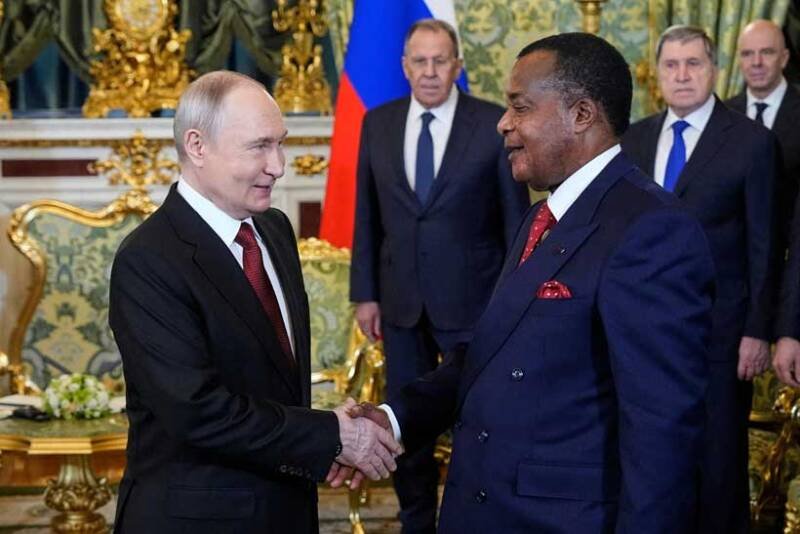
President Donald Trump announced Friday that the United States will receive Iran's "nuclear dust." While the phrase itself is somewhat unusual, it refers to samples collected by the International Atomic Energy Agency (IAEA) from Iranian nuclear sites.
The term "nuclear dust" isn't scientific jargon. It's more of a colloquial way to describe environmental samples taken by inspectors. Think of it like forensic evidence at a crime scene. The IAEA collects these samples to detect traces of radioactive materials or processes that might indicate undeclared nuclear activities. These samples can reveal a great deal about Iran's past and present nuclear activities, even if Iran is not actively engaging in producing nuclear weapons.
These samples are vital for verifying Iran's compliance with international agreements designed to prevent the development of nuclear weapons. The IAEA uses sophisticated techniques to analyze these particles, identifying the isotopes present and determining their origin. This information is then compared against Iran's declared nuclear activities to ensure consistency and transparency.
This agreement stems from ongoing efforts to monitor Iran's nuclear program. The original 2015 Iran nuclear deal, officially known as the Joint Comprehensive Plan of Action (JCPOA), placed restrictions on Iran's nuclear activities in exchange for sanctions relief. Trump withdrew the US from the JCPOA in 2018, reimposing sanctions and escalating tensions. However, the IAEA has continued its monitoring activities, including the collection of environmental samples.
Receiving these samples by the US – indirectly through the IAEA, presumably – represents a potential opening for further investigation and verification of Iran's nuclear activities, even in the absence of the JCPOA.
This news is significant for several reasons:
Ultimately, understanding Iran’s declared and undeclared nuclear program is vital for global safety.
In our opinion, Trump's announcement, while using somewhat imprecise language ("nuclear dust"), highlights the importance of ongoing monitoring and verification efforts in Iran. While the US is not currently a party to the JCPOA, access to these samples could provide valuable intelligence on Iran's nuclear activities.
It is important to note that the IAEA already collects and analyzes these samples. So the key takeaway here is more likely the political signaling and potential intelligence gain, rather than a radical shift in the IAEA’s procedures. This could be interpreted as a signal of improved cooperation or information sharing, but also be a public confirmation of the current situation.
The future implications of this development are uncertain. Several scenarios are possible:
This could impact future diplomatic relations. In our view, open and honest communication is paramount. If Iran is hiding anything, this 'nuclear dust' analysis will likely expose it. It could potentially be the tipping point for either a new diplomatic arrangement or increased international pressure.