Chuck Schumer's Leadership Under Scrutiny: A Deep Dive
Is Chuck Schumer's leadership style creating chaos in the Senate? We analyze recent events and their potential impact on American politics.
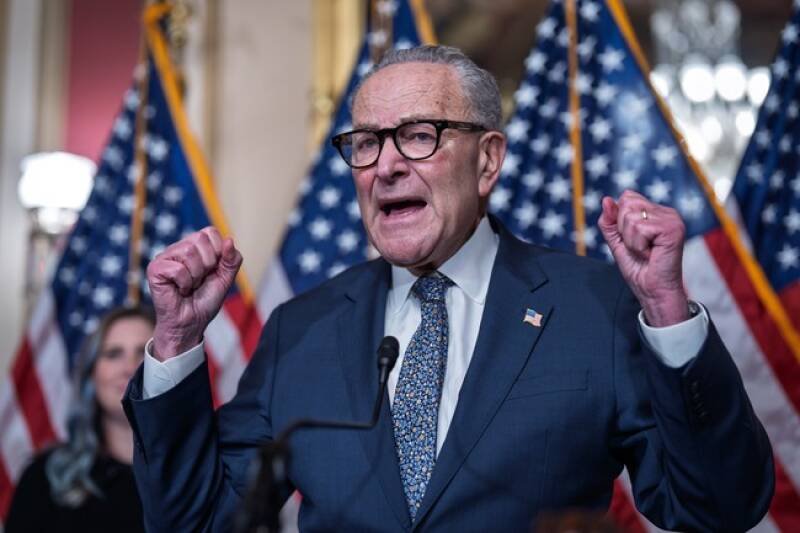



Is Chuck Schumer's leadership style creating chaos in the Senate? We analyze recent events and their potential impact on American politics.
Recent political events suggest that Senate Majority Leader Chuck Schumer's leadership style is facing increased scrutiny. Some observers have even described the current state of affairs as Schumer "driving his own clown car," implying a sense of disarray and lack of control. But what does this mean for the Senate and the future of American politics?
To understand the situation, it's crucial to consider the current political climate. The Senate is almost evenly divided, with Democrats holding a narrow majority. This means that Schumer needs to maintain near-unanimous support within his caucus to pass legislation. Any dissent or internal conflict can derail key Democratic initiatives.
Furthermore, the political landscape is deeply polarized. Republicans are highly motivated to obstruct Democratic priorities, making bipartisan cooperation increasingly difficult. Schumer is tasked with navigating these challenges while also managing the diverse interests and ideologies within his own party.
The effectiveness of the Senate Majority Leader is critical for the functioning of the U.S. government. If Schumer is struggling to maintain control and unity within his caucus, it could lead to legislative gridlock, hindering the passage of important bills and potentially damaging the Democratic Party's agenda. This could impact everything from healthcare reform to climate change initiatives.
Moreover, perceived disarray in the Senate can erode public trust in government and further fuel political cynicism. A chaotic Senate could make it more difficult to address pressing national challenges and could contribute to a sense of instability.
In our opinion, the "clown car" analogy, while perhaps exaggerated, does highlight a genuine concern about Schumer's ability to effectively lead the Senate. He faces a difficult balancing act: maintaining party unity while also attempting to find common ground with Republicans.
We believe that the current environment requires a more assertive and decisive leadership style. Schumer may need to be more willing to exert his authority and prioritize key Democratic priorities, even if it means facing Republican opposition. He also needs to effectively manage the expectations and ambitions within his own caucus.
Furthermore, it's crucial for Schumer to improve communication and collaboration with his Democratic colleagues. By fostering a more inclusive and transparent decision-making process, he can strengthen party unity and reduce the risk of internal dissent. Without this, it's very likely the legislative branch will continue to face hurdles in the foreseeable future.
The future of Schumer's leadership and the Senate's effectiveness will depend on several factors. The outcome of the upcoming midterm elections could significantly alter the balance of power in the Senate, potentially making Schumer's job easier or even more challenging. Furthermore, his ability to adapt his leadership style and build stronger relationships with his colleagues will be crucial.
This could impact the speed at which legislation is processed, influence the topics which can be brought to the floor and could affect how Americans view the competence of their government. Ultimately, the next few months will be critical in determining the direction of the Senate and the fate of Schumer's leadership.