UP Kalilayan Empowers Dumagat Fisherfolk with Community-Led Store
UP Kalilayan launches NEEDS 2026, a community outreach program in Aurora, Philippines, empowering the Dumagat fisherfolk with a community-managed store. Learn about this initiative and its impact.
UP Kalilayan Launches Community-Led Store for Dumagat Fisherfolk in Aurora
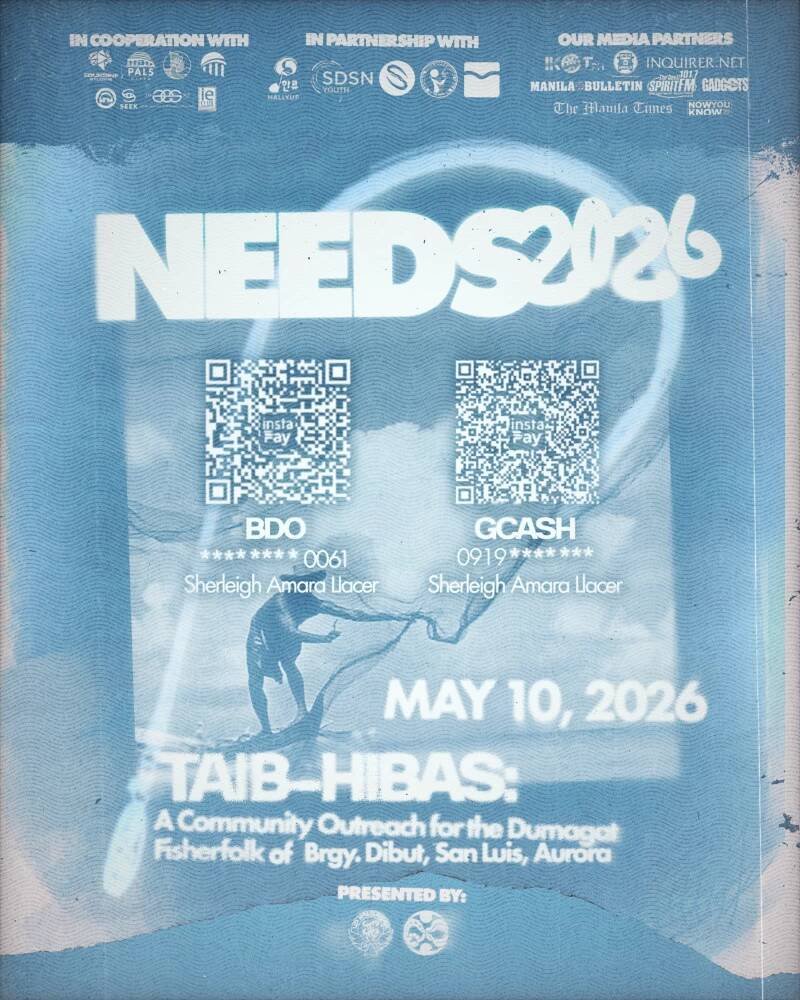
UP Kalilayan, a student organization from the University of the Philippines, Diliman, is launching an innovative project called NEEDS 2026 (Neil Eria Educational Discussion Series) in Barangay Dibut, San Luis, Aurora. This year's theme, "TAIB-HIBAS: A community outreach for the Dumagat Fisherfolk of Brgy. Dibut, San Luis, Aurora," focuses on empowering the local Dumagat community by establishing a community-managed store.
Addressing the Needs of a Remote Community
The Dumagat fisherfolk in Dibut face significant challenges due to their remote location. Situated far from commercial centers and at the foot of a mountain, accessing essential fishing equipment is costly and time-consuming, especially given rising fuel prices. This dependence on external suppliers leads to inflated costs and limited availability, hindering their livelihoods.
To overcome these obstacles, NEEDS 2026 aims to create a sustainable solution: a community-managed store owned, operated, and sustained by the Dumagat Tribal Council. UP Kalilayan is providing the initial capital, while the Tribal Council contributes labor for construction. The store will supply affordable fishing gear and essential materials directly within the community.
More Than Just a Store: A Path to Self-Determination
This community enterprise is envisioned as more than just a place to buy supplies. It represents a step towards self-determination, enabling the Dumagat community to take control of their economic future. Revenue generated from the store will not only sustain its operations but also fund other local development projects.
Empowering the Community Through Knowledge and Leadership
The NEEDS 2026 program also includes a day of community immersion and knowledge-sharing. Key discussions will focus on financial management for tribal leaders and fisherfolk, equipping them with the skills to sustain the community-led store. Additionally, sessions aimed at Dumagat youth will encourage leadership within the community, fostering the next generation of change-makers.
Before the event, UP Kalilayan members will participate in an orientation on the socio-political realities of Indigenous Peoples in the Philippines. They will also visit the fisherfolk’s workspaces, engaging in cultural exchange to understand their daily lives and challenges better. This ensures the initiative is grounded in cultural sensitivity and informed engagement.
UP Kalilayan is also running the "Piso Mula sa Puso" donation drive to further support the initiative.
Why This News Matters
This initiative is significant because it addresses the root causes of poverty and inequality in a marginalized community. By providing access to affordable resources and empowering the Dumagat people to manage their own economic affairs, NEEDS 2026 offers a sustainable path towards self-sufficiency. It highlights the importance of community-led development, where solutions are tailored to the specific needs and context of the local population. This approach is crucial for ensuring long-term positive impact and fostering genuine empowerment.
Our Analysis
In our opinion, the UP Kalilayan's approach is commendable. By focusing on community ownership and capacity building, NEEDS 2026 is likely to have a more lasting impact than traditional aid programs. The emphasis on financial literacy and youth leadership is particularly crucial for ensuring the long-term sustainability of the initiative. We believe that this project can serve as a model for other community development programs in the Philippines and beyond. One potential challenge will be ensuring that the store remains financially sustainable and that the benefits are distributed equitably within the community.
Future Outlook
The success of NEEDS 2026 could inspire similar initiatives in other remote communities facing similar challenges. This could impact government policy and funding priorities, encouraging a shift towards more community-led development approaches. A successful community store can become a hub for other community activities, from skills training to health services. Continuous monitoring and evaluation will be essential to identify challenges and adapt the program as needed. Furthermore, building partnerships with other organizations and government agencies can help to scale up the impact of the initiative and ensure its long-term sustainability.