Hottest Summer on Record: Ontario's 2026 Wildfire Risk and Preparedness
The summer of 2024 could be the hottest on record, increasing Ontario's risk of wildfires. Learn about Ontario's preparation and what you can do to help.




The summer of 2024 could be the hottest on record, increasing Ontario's risk of wildfires. Learn about Ontario's preparation and what you can do to help.
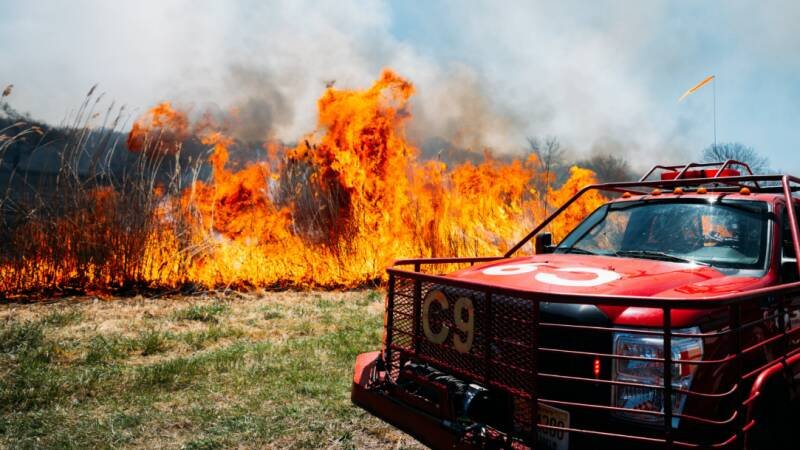
Last year, Canada experienced one of its most destructive wildfire seasons in history, impacting air quality and disrupting daily life. In Ontario, many residents remember the eerie red sun and the smoky haze that blanketed the province. With forecasts predicting a potentially record-breaking hot summer in 2024, concerns are rising about the potential for another intense wildfire season, with potential long term impact on the 2026 season.
The connection between rising temperatures and increased wildfire risk is undeniable. Warmer temperatures dry out vegetation and create more favorable conditions for fires to ignite and spread rapidly. Drier conditions coupled with strong winds can quickly turn a small spark into a raging inferno. The long-term effects of climate change are exacerbating these conditions, leading to longer and more intense wildfire seasons.
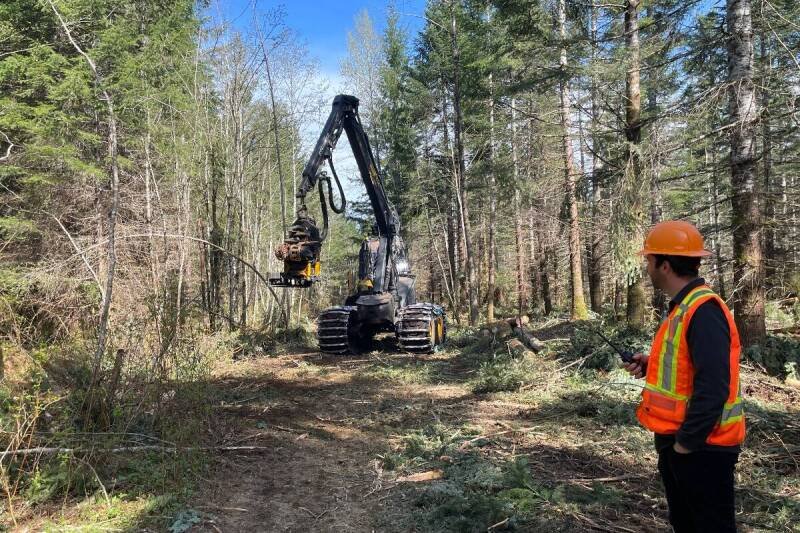
The Ontario government and local communities are taking steps to prepare for the upcoming wildfire season. These include:
While government agencies play a crucial role in wildfire management, individual actions can make a significant difference. Here are some ways you can help prevent wildfires:
The threat of increased wildfires is more than just an environmental concern; it's a public health and economic issue. Wildfires can cause:
In our opinion, the projected increase in temperatures for the summer of 2024 poses a significant risk to Ontario's forests and communities. While the province is taking steps to prepare, a proactive and collaborative approach involving government, communities, and individuals is essential. It's imperative that Ontario continues to invest in wildfire prevention, early detection, and suppression efforts.
Furthermore, addressing the root causes of climate change is crucial for mitigating the long-term risk of wildfires. This requires a transition to cleaner energy sources and sustainable land management practices.
The future of wildfire management in Ontario hinges on several factors:
This could impact the real estate industry in high risk areas, and potentially raise insurance premiums for homeowners.
While the outlook is uncertain, a concerted effort to mitigate climate change, enhance preparedness, and promote responsible land management practices can help protect Ontario's forests and communities from the devastating effects of wildfires. It's important to remember that the actions we take today will determine the severity of wildfire seasons in the years to come, potentially influencing the 2026 wildfire season and beyond.