Suzanne Simard's Forest Wisdom: A Call for Government Understanding
A deep dive into Suzanne Simard's groundbreaking forest ecology work and why governments need to understand it, explained with analysis and future outlook.




A deep dive into Suzanne Simard's groundbreaking forest ecology work and why governments need to understand it, explained with analysis and future outlook.
Suzanne Simard, a renowned Professor of Forest Ecology, is set to release her new book, 'When the Forest Breathes' in 2026. This announcement has reignited discussions about her pioneering work on mycorrhizal networks – the intricate web of fungal connections that link trees and other plants in forests. But beyond the scientific community, there's a growing call for governments to deeply understand and apply Simard's findings in policy-making.
If you're unfamiliar, Suzanne Simard is a trailblazer. She's dedicated her career to unraveling the complex communication systems within forests. Her research has revealed that trees aren't isolated individuals but rather interconnected members of a vast, cooperative community, sharing resources and information through these underground fungal networks, often called the "wood wide web."
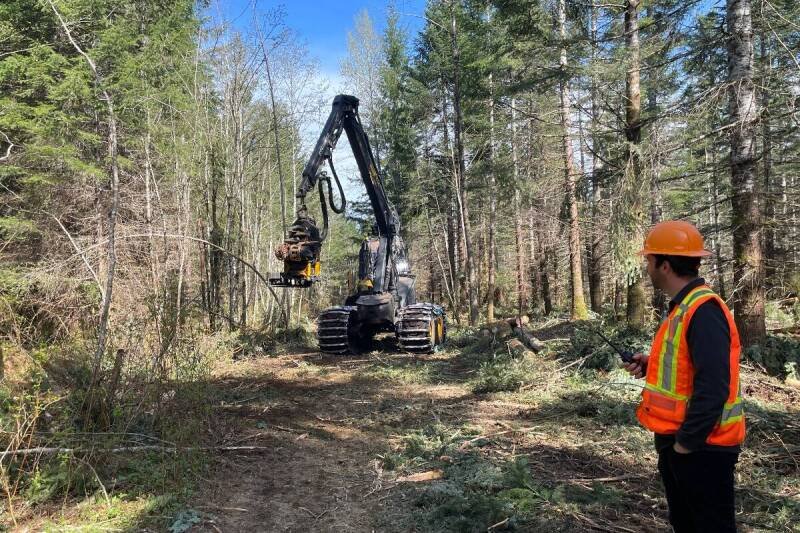
Simard's work challenges traditional forestry practices that often prioritize monoculture plantations and clear-cutting. She argues for a more holistic and sustainable approach that recognizes the vital role of biodiversity and interconnectedness in maintaining healthy and resilient forests.
Understanding Simard's work is no longer just an academic exercise. It has profound implications for how we manage our forests, combat climate change, and preserve biodiversity. Forests play a critical role in absorbing carbon dioxide, regulating water cycles, and providing habitat for countless species. Damaging these ecosystems through unsustainable practices has far-reaching consequences.
A failure to incorporate Simard's findings into government policies could lead to:
In our opinion, the call for governments to familiarize themselves with Simard's work is not just timely, it's essential. Traditional forestry practices, often driven by short-term economic gains, have overlooked the long-term ecological consequences. Simard's research provides a compelling scientific basis for a paradigm shift – from viewing forests as timber resources to recognizing them as complex, interconnected ecosystems that require careful management.
It’s not enough for governments to simply acknowledge the existence of mycorrhizal networks. They need to actively incorporate these findings into policy. This could involve:
This could impact the timber industry, requiring adaptations towards more sustainable harvesting and replanting practices. However, in the long run, healthier and more resilient forests will benefit everyone.
The release of Suzanne Simard's new book in 2026 will undoubtedly further amplify her message and generate even greater awareness of the importance of forest ecology. We anticipate increased pressure on governments to adopt more sustainable forestry policies. The public is becoming increasingly aware of the importance of forests in mitigating climate change and preserving biodiversity, and they will likely demand action from their elected officials.
Looking ahead, we expect to see:
Ultimately, the future of our forests depends on our ability to understand and respect the intricate connections that sustain them. Suzanne Simard's work offers a crucial roadmap for achieving this goal, and it's imperative that governments heed her message.