Heiltsuk Nation Continues Oil Spill Fight in London: Seeking Justice and Restoration
The Heiltsuk Nation takes their fight for fair compensation for the Nathan E. Stewart oil spill to London, highlighting lasting environmental and cultural damage.



The Heiltsuk Nation takes their fight for fair compensation for the Nathan E. Stewart oil spill to London, highlighting lasting environmental and cultural damage.
The Heiltsuk Nation, an Indigenous community located on the central coast of British Columbia, Canada, is taking their battle for just compensation related to the devastating 2016 Nathan E. Stewart oil spill to London, England. Frustrated with the slow progress and perceived inadequacies of the Canadian legal system, the Heiltsuk are seeking to raise international awareness and exert pressure for a more equitable resolution.
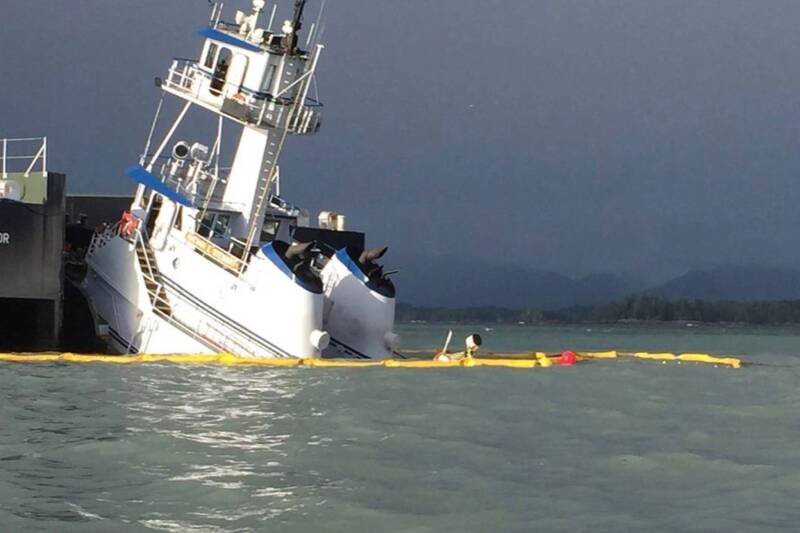
On October 13, 2016, the tugboat Nathan E. Stewart, owned by Kirby Corporation, ran aground and sank in Heiltsuk territory. The incident released approximately 110,000 liters of diesel fuel and other pollutants into the pristine waters of Gale Pass, a vital area for Heiltsuk harvesting, fishing, and cultural practices. The spill caused significant and lasting damage to the marine environment and disrupted the Heiltsuk's traditional way of life.
While some initial cleanup efforts were undertaken, the Heiltsuk Nation contends that the remediation was insufficient and that the long-term impacts on the ecosystem, including shellfish beds, fish populations, and marine mammals, continue to be felt. Furthermore, they argue that the spill caused irreparable harm to their cultural heritage and traditional food sources.
The Heiltsuk's decision to pursue legal avenues in London stems from the fact that the insurance company for the Nathan E. Stewart is based in the UK. They hope that by bringing their case to London, they can leverage international attention and potentially achieve a more favorable outcome than they have experienced within the Canadian legal system. The Heiltsuk representatives are currently presenting their case, including expert testimonies, firsthand accounts of the spill's impact, and evidence of ongoing economic and cultural losses, to relevant parties in London.
This story is significant for several reasons. Firstly, it highlights the disproportionate impact of environmental disasters on Indigenous communities who are often deeply connected to the land and sea. Secondly, it underscores the challenges Indigenous nations face in seeking redress for environmental damages caused by industrial activities. Thirdly, it raises important questions about corporate responsibility and the adequacy of existing legal frameworks for addressing cross-border environmental claims. The Heiltsuk's actions could set a precedent for other Indigenous communities seeking justice for similar incidents.
In our opinion, the Heiltsuk Nation's decision to take their fight to London is a strategic move. They are essentially circumventing what they perceive as a biased or ineffective domestic legal system and appealing to a broader international audience. This could impact future cases involving Indigenous rights and environmental damage claims, forcing companies to be more accountable for their actions. The fact that the insurance company is based in London provides a direct link and a potential pathway to a settlement.
However, success is not guaranteed. Navigating the complexities of international law and legal jurisdictions can be challenging. The Heiltsuk will need to present a compelling case that demonstrates the direct link between the oil spill and the ongoing damages they are experiencing. They will also need to overcome potential legal hurdles related to jurisdiction and the applicability of international maritime law.
The outcome of the Heiltsuk Nation's efforts in London remains uncertain. However, regardless of the immediate result, their actions are raising critical awareness about the vulnerability of Indigenous communities to environmental disasters and the need for stronger environmental protections. This could impact future development projects in sensitive ecological areas. Here's what we expect to see unfold:
Ultimately, the Heiltsuk Nation's fight for justice is a testament to their resilience and determination to protect their cultural heritage and the environment that sustains them. Their story serves as a powerful reminder of the importance of corporate accountability and the need for equitable solutions when environmental disasters occur.