Sonny Perdue Retirement: Impact on Georgia's Education System
Chancellor Sonny Perdue announces retirement. Explore the implications for Georgia's universities, future leadership, and educational policies. Our analysis of the impact on students and the state's future.
Sonny Perdue Announces Retirement, Ending Decades-Long Political Career
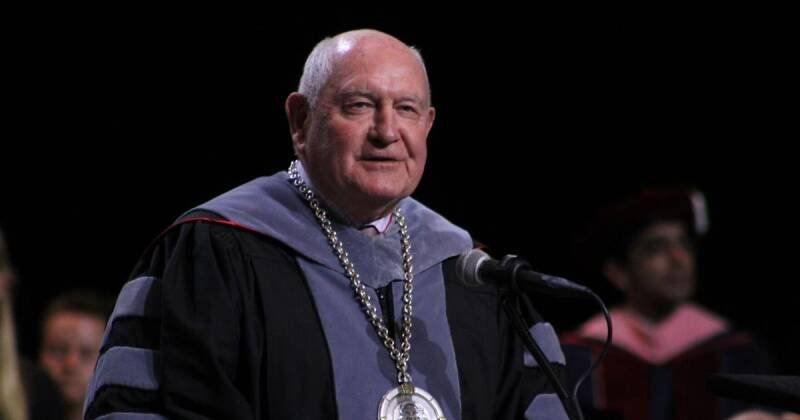
Sonny Perdue, the Chancellor of the University System of Georgia (USG), has announced his retirement, bringing an end to a political career that has spanned over 40 years. This decision marks a significant shift in the landscape of higher education leadership in Georgia and raises questions about the future direction of the state's 25 public colleges and universities.
From Local Politics to State Leadership
Perdue's career began with local service on a zoning board and culminated in him holding the highest office in the state as Governor of Georgia from 2003 to 2011. He then served as the U.S. Secretary of Agriculture under President Donald Trump. His appointment as Chancellor of the USG in 2022 was met with both support and controversy due to his lack of experience in higher education administration.
A Tenure Marked by Change
During his time as Chancellor, Perdue focused on initiatives aimed at improving student outcomes, workforce development, and operational efficiency within the USG. He emphasized collaboration between universities and industries to prepare students for the demands of the modern job market. However, his tenure also faced scrutiny regarding budget allocations and perceived political influence within the university system.
Why This News Matters
Perdue's retirement is a pivotal moment for Georgia's higher education system. The USG is a vital component of the state's economy and future prosperity. A change in leadership will inevitably lead to a re-evaluation of existing policies and priorities. The selection of a new Chancellor will significantly impact the direction of Georgia's universities for years to come, affecting everything from tuition rates and academic programs to research funding and faculty recruitment.
Our Analysis
In our opinion, Perdue's legacy is a mixed bag. While his business acumen and political connections undoubtedly brought certain advantages to the USG, his lack of deep experience in academia sometimes led to decisions that were perceived as top-down and lacking in faculty input. We believe the next Chancellor should prioritize fostering a collaborative environment that values academic freedom and shared governance.
Potential Challenges and Opportunities
The USG faces several key challenges, including increasing student debt, ensuring equitable access to education for all Georgians, and adapting to the rapidly evolving demands of the workforce. The new Chancellor will need to address these challenges head-on while also capitalizing on opportunities to strengthen the state's research capabilities, promote innovation, and attract top talent to Georgia's universities. This could impact which universities get more funding and which do not.
Future Outlook
The search for a new Chancellor will likely be a closely watched process, with various stakeholders vying for influence. We anticipate intense debate over the qualifications and priorities of potential candidates. It's crucial that the Board of Regents conducts a thorough and transparent search, engaging with faculty, students, alumni, and community leaders to ensure that the next Chancellor is the right fit for the USG.
What's Next for the University System?
- Leadership Transition: The Board of Regents will initiate a search for Perdue's successor. The timeline for this process remains uncertain.
- Policy Review: Expect a review of current USG policies and strategic priorities under the new leadership.
- Stakeholder Engagement: It's important to monitor how the Board of Regents involves faculty, students, and other stakeholders in the selection process.
The coming months will be crucial in shaping the future of higher education in Georgia. Perdue's retirement marks the end of an era, but also presents an opportunity for the USG to embark on a new chapter, one that is responsive to the needs of students, faculty, and the state as a whole.