Trump's Comments on Pope Could Alienate Catholic Voters: Impact on GOP
Trump's criticism of the Pope risks alienating Catholic voters, a significant demographic in the US. Explore the potential impact on the GOP and the future political landscape.



Trump's criticism of the Pope risks alienating Catholic voters, a significant demographic in the US. Explore the potential impact on the GOP and the future political landscape.
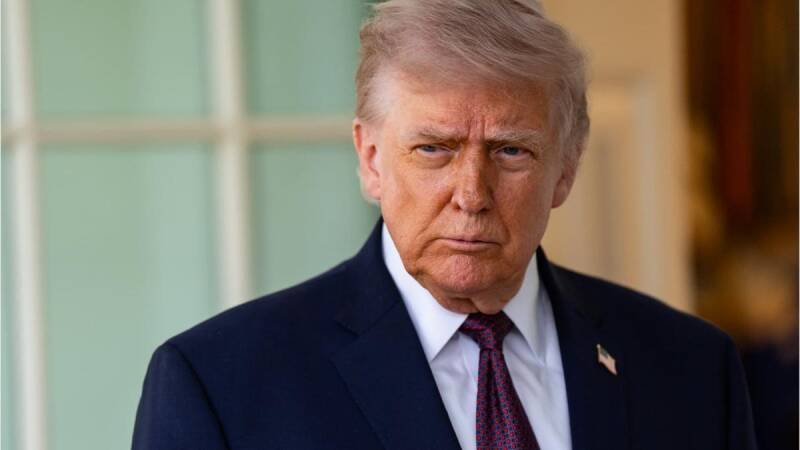
Recent statements from Donald Trump criticizing Pope Leo XIV could have significant repercussions for the Republican Party, particularly in upcoming elections. With Catholics representing a substantial portion of the American electorate, alienating this demographic could prove detrimental to the GOP's chances of success.
The Catholic Church is the largest religious denomination in the United States. According to the Pew Research Center, Catholics constitute roughly one-fifth of the U.S. population. Their political leanings are diverse, and their vote is often a crucial swing vote in many elections. Traditionally, Catholic voters have been important in states like Pennsylvania, Florida, and Wisconsin, which are often battleground states.
Appealing to Catholic voters involves understanding their values and concerns, which often include social justice issues, religious freedom, and family values. A candidate's stance on these issues can significantly influence Catholic voters' decisions.
This news is crucial because it highlights a potential vulnerability for the Republican Party. Trump's comments could drive Catholic voters away from the GOP, impacting elections at the local, state, and national levels. Considering the close margins in many recent elections, even a small shift in the Catholic vote could make a big difference.
Furthermore, this situation underscores the importance of understanding the nuances of religious demographics in American politics. Ignoring or alienating key voter groups can have serious consequences for any political party.
In our opinion, Trump's direct criticism of the Pope is a risky move. While he may appeal to a segment of the population that shares his views, it's likely to backfire with many Catholic voters. The Pope is a highly respected figure, and directly attacking him is likely to be seen as disrespectful and offensive by many Catholics, regardless of their political affiliation.
The GOP needs to carefully consider the potential damage this could cause and strategize accordingly. Mitigating this damage could involve highlighting areas of common ground with Catholic voters or emphasizing the party's commitment to religious freedom.
This could impact elections in several ways:
Looking ahead, it will be crucial to monitor how the Republican Party addresses this situation. Will they attempt to walk back Trump's comments? Will they try to appeal to Catholic voters through other means? The answers to these questions will determine the long-term impact of this controversy.
We anticipate that the Democratic Party will capitalize on this opportunity to court Catholic voters. They may emphasize their alignment with Catholic values on issues such as social justice and poverty reduction. This could lead to a significant shift in the Catholic vote in future elections.
The media's coverage of this issue will also play a crucial role. Fair and balanced reporting will help voters understand the nuances of the situation and make informed decisions. However, sensationalized or biased reporting could further polarize the electorate and exacerbate the divide between Republicans and Catholic voters.
Ultimately, the impact of Trump's comments on Pope Leo XIV will depend on how both the Republican and Democratic parties respond and how the media chooses to frame the narrative. It's a situation worth watching closely as it unfolds.