Tom Steyer's ICE 'Mistake': What It Means for the California Governor's Race
Tom Steyer faces scrutiny over past investments in detention centers while campaigning on abolishing ICE. Learn how this impacts his chances in the California governor's race.
Tom Steyer's ICE Stance Complicated by Past Investments
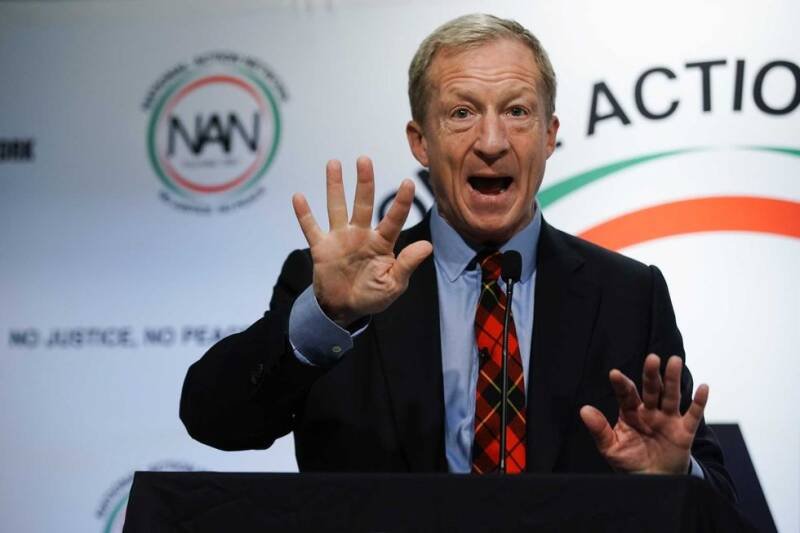
Billionaire and political activist Tom Steyer, a leading Democratic contender in the California governor's race, is facing renewed scrutiny over his past business dealings. While advocating for the abolishment of Immigration and Customs Enforcement (ICE), it's been revealed that a hedge fund he founded, Farallon Capital Management, previously invested heavily in CoreCivic, a company that operates detention centers, including facilities housing federal immigration detainees in California.
The Details of the Investment
Farallon Capital Management, which Steyer founded in 1986, invested up to $89.1 million in CoreCivic. Two of CoreCivic’s five centers in California house federal immigration detainees in Kern County and San Diego. Steyer divested from CoreCivic in 2012.
This revelation has created a potential conflict of interest, sparking criticism and allegations of hypocrisy from Steyer's political opponents. They argue that his past investments undermine his current stance on immigration and ICE. Steyer himself has acknowledged the "mistake," stating he left the hedge fund business partly because he was uncomfortable with where it was taking him.
At a town hall event, Steyer said, "It was also a big wake-up call that I was in the wrong place, that I was in a business that was taking me to places I absolutely didn’t want to go. And there’s a reason I walked away from that business and walked away from a ton of money." He maintains that he had no direct involvement in running CoreCivic and that the investments were made years ago. Steyer also points to his philanthropic efforts, pledging most of his earnings to charity.
Why This News Matters
This situation highlights the complexities of navigating ethical considerations within the political arena. It raises questions about whether past financial decisions should disqualify a candidate from holding certain positions, particularly when those decisions appear to contradict their current political platform. Furthermore, it can sway public opinion and affect voter trust, as citizens evaluate the authenticity and consistency of political figures. It underscores the need for transparency and accountability in politics, where candidates are expected to align their actions with their words.
Our Analysis
In our opinion, the situation presents a significant challenge for Steyer. While he claims to have rectified the "mistake" and moved away from the hedge fund industry, the association with CoreCivic could leave a stain on his campaign. His opponents will likely leverage this issue to portray him as out-of-touch or insincere. Whether voters will forgive and forget remains to be seen.
It's important to note that Steyer is not the only politician to face scrutiny over past financial dealings. However, the sensitive nature of the immigration debate makes this particular case more politically charged. His stance on abolishing ICE, coupled with his past investment in detention centers, creates a narrative of hypocrisy that could resonate negatively with voters.
Future Outlook
This could impact Steyer's standing in the California governor's race, especially among progressive voters who strongly support immigration reform. He needs to effectively address the concerns raised by this revelation and demonstrate a genuine commitment to his stated values. His response will likely determine whether he can maintain his leading position in the race.
Several factors could influence the outcome:
- How effectively Steyer addresses the criticism: A strong, transparent response could mitigate some of the damage.
- The messaging of his opponents: How aggressively they target him on this issue will play a role.
- The overall political climate: The national conversation on immigration will influence voters' perceptions.
In conclusion, while Steyer's past investments present a challenge, the impact on his campaign remains uncertain. His ability to address the controversy and maintain the trust of California voters will be crucial for his success in the upcoming election.