Eby Backtracks on DRIPA: What It Means for BC's Future
Premier Eby's recent moves on the DRIPA issue raise questions about leadership and future implications. Our analysis explores the crisis and what it means for British Columbia.



Premier Eby's recent moves on the DRIPA issue raise questions about leadership and future implications. Our analysis explores the crisis and what it means for British Columbia.
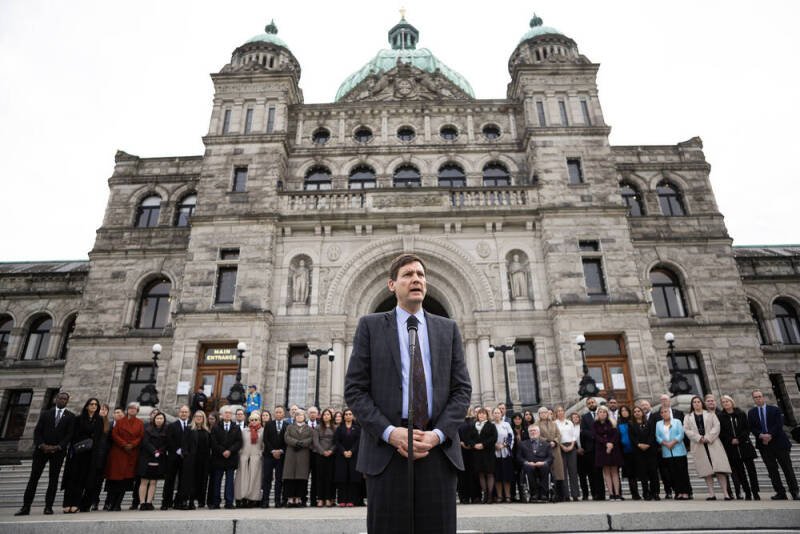
British Columbia Premier David Eby is facing a significant challenge. He's making a series of U-turns, seemingly abandoning previous stances in an attempt to maintain stability within his government. The central issue causing this turmoil? The Declaration on the Rights of Indigenous Peoples Act, or DRIPA.
DRIPA, passed in 2019, aims to align BC's laws with the United Nations Declaration on the Rights of Indigenous Peoples. This means acknowledging and upholding the rights of Indigenous peoples in areas like land management, resource development, and self-determination. The intention was to create a more equitable and respectful relationship between the government and Indigenous communities.
However, implementing DRIPA hasn't been smooth sailing. Complexities arise when trying to balance Indigenous rights with existing laws and the needs of various stakeholders, like resource industries. It requires careful negotiation and a willingness to adapt.
Premier Eby's apparent shift on key DRIPA-related issues is significant for several reasons:
In our opinion, Premier Eby's moves suggest a government under pressure. The complexities of DRIPA are forcing difficult choices, and the need to maintain coalition support appears to be overriding previously stated principles. It's a delicate balancing act, and the long-term consequences are uncertain.
One possible explanation for the "backtracking" is the intense lobbying from industries concerned about the implications of DRIPA on their operations. The government might be trying to find a middle ground to appease both Indigenous communities and the business sector. This could involve reinterpreting certain aspects of DRIPA or delaying implementation in specific areas.
However, this approach carries risks. Alienating Indigenous communities could lead to legal challenges and further complicate resource development. Appearing indecisive can also damage the government's credibility with the broader public.
The situation surrounding DRIPA in British Columbia is likely to remain fluid in the coming months. Key areas to watch include:
This could impact the political stability in BC in the long run. The NDP will have to work diligently to maintain credibility with all parties involved.
Ultimately, the future of DRIPA in British Columbia depends on the government's ability to navigate these complex challenges and build consensus among diverse stakeholders. It requires a commitment to genuine consultation, a willingness to compromise, and a clear vision for a more equitable future.