Trump's "Grand Bargain" with Iran: What You Need to Know
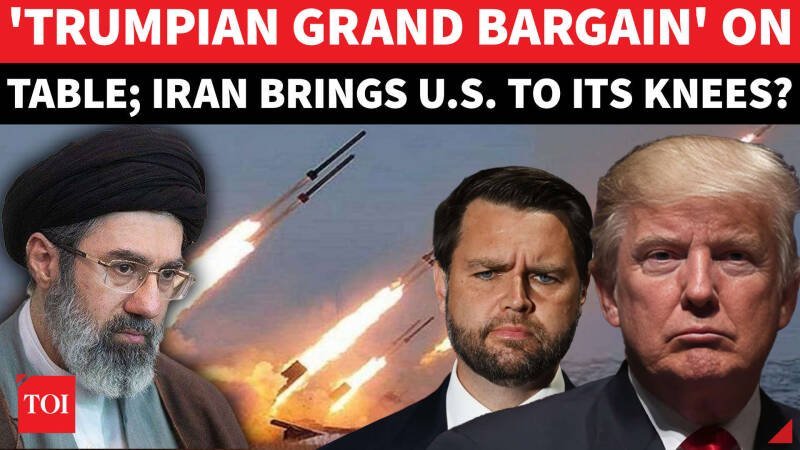
JD Vance reveals Trump's plan for a massive Iran deal, linking nuclear restrictions to economic revival. Is this the key to Middle East peace or a risky gamble?



JD Vance reveals Trump's plan for a massive Iran deal, linking nuclear restrictions to economic revival. Is this the key to Middle East peace or a risky gamble?
According to Vice President JD Vance, Donald Trump is reportedly pursuing a bold and ambitious plan to reshape the relationship between the United States and Iran. At a recent Turning Point USA event, Vance disclosed details about Trump's envisioned "grand bargain," a comprehensive agreement that aims to address both Iran's nuclear ambitions and its economic challenges.
The core of this potential deal revolves around a swap: Iran would agree to halt its nuclear program and cease its destabilizing activities in the region in exchange for significant economic relief. This would essentially mean lifting sanctions that have crippled the Iranian economy for years, paving the way for economic normalization and potential revival.
Vance indicated that a ceasefire is currently in place, suggesting ongoing discussions between Washington and Tehran. The Trump administration clearly hopes to achieve a transformational deal that could reshape the geopolitical landscape of the Middle East.
Adding another layer to this complex situation, economist Jeffrey Sachs has been critical of Israel's actions, arguing that they risk wider instability in the region. This viewpoint intensifies the ongoing debate over Middle East policy and its implications for global security. Sachs' statement highlights the fragility of the situation and the potential for escalation if diplomatic solutions are not pursued effectively.
This news is significant because it could represent a fundamental shift in US foreign policy towards Iran. For years, relations between the two countries have been strained, marked by sanctions, proxy wars, and mutual distrust. A "grand bargain," if successful, could lead to:
However, the deal also carries significant risks, which we will explore further in our analysis.
In our opinion, Trump's proposed "grand bargain" is a high-stakes gamble with the potential for both immense rewards and devastating consequences. The success of such a deal hinges on several factors:
Jeffrey Sachs' warning about Israel's actions is also crucial. A lasting peace in the Middle East requires a comprehensive approach that addresses the concerns of all parties involved. Unilateral actions or policies that exacerbate tensions could undermine any potential agreement with Iran.
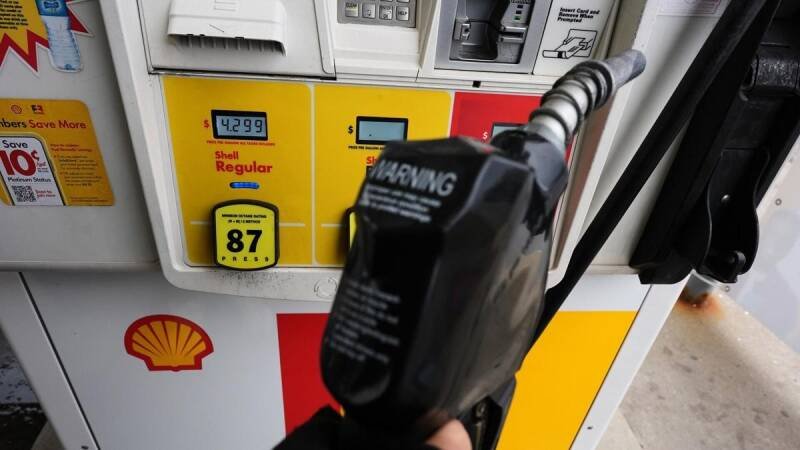
This could impact global oil prices. Reduced tensions in the region often translate to lower prices, benefiting consumers and the global economy.
The coming months will be critical in determining whether Trump's "grand bargain" becomes a reality. We anticipate:
Ultimately, the success of this initiative will depend on the willingness of all parties to compromise and engage in good-faith diplomacy. It is a complex and challenging endeavor, but the potential rewards – a more peaceful and prosperous Middle East – are well worth the effort.