Nepal's "Buffer State" Reference Sparks Controversy: What it Means
The Nepalese government's use of "buffer state" to describe the country's geopolitical position has sparked debate. Learn why this is controversial and what it means for Nepal's future.
Nepal "Buffer State" Reference Sparks Controversy
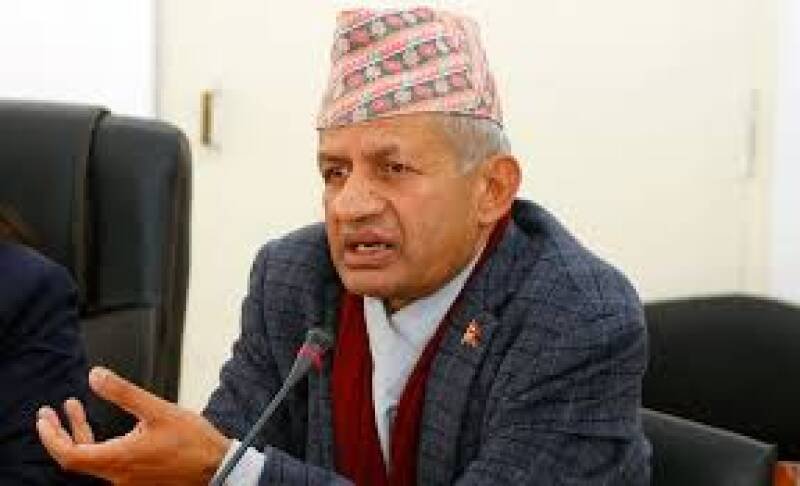
A recent government document in Nepal has ignited a debate over the country's geopolitical identity. The draft "National Commitment" document, specifically a clause concerning international diplomacy and foreign relations, refers to Nepal's position as a "buffer state." This reference has drawn sharp criticism, particularly from Pradeep Gyawali, a prominent leader of the CPN-UML party and former Minister of Foreign Affairs.
Gyawali argues that Nepal has never officially defined itself as a buffer state, and this new characterization is problematic. The controversy raises fundamental questions about Nepal's sovereignty, its relationships with its powerful neighbors, India and China, and its overall foreign policy strategy.
What is a Buffer State?
A buffer state is a country that lies between two larger, potentially hostile powers. Its existence is often seen as preventing conflict between them. Historically, buffer states have served as neutral zones, reducing the likelihood of direct confrontation. Think of it as a cushion preventing two giants from bumping into each other.
However, the term "buffer state" can also carry negative connotations. It can imply a lack of true sovereignty, suggesting that the country's foreign policy is dictated by the interests of its larger neighbors. This is precisely why the reference in the Nepalese document is causing concern.
Why This News Matters
This seemingly small detail in a government document has significant implications for Nepal's national identity and its role in the region. Here's why:
- Sovereignty Concerns: The "buffer state" label can undermine Nepal's claim to independent foreign policy decision-making. It suggests that Nepal's actions are primarily influenced by its proximity to India and China.
- Relationship with Neighbors: This characterization could strain Nepal's relationships with both India and China, as it might be interpreted as a sign of weakness or a lack of confidence in its own ability to navigate complex geopolitical challenges.
- National Identity: Defining Nepal as a buffer state could impact the nation's self-perception and its aspirations for a more prominent role on the international stage.
Our Analysis
In our opinion, the Nepalese government's use of the term "buffer state" was likely an oversight, or at best, poorly considered. While Nepal's geographical location undeniably places it between two major powers, explicitly labeling it as a "buffer state" is strategically unwise. It plays into the narratives of external influence and undermines the country's efforts to assert its independence.
Furthermore, the timing of this reference is particularly sensitive. Nepal is currently seeking to strengthen its international relations and diversify its partnerships. This "buffer state" label could hinder these efforts by projecting an image of dependence and limited agency.
Future Outlook
The controversy surrounding the "buffer state" reference will likely continue to unfold in the coming weeks and months. Here's what we can expect:
- Government Response: The Nepalese government will likely need to clarify its position on this issue and address the concerns raised by Pradeep Gyawali and others. A revised version of the "National Commitment" document might be issued.
- Public Debate: This incident will fuel further debate within Nepal about its foreign policy options and its relationship with India and China.
- Impact on Foreign Relations: Depending on how the government handles this situation, it could impact Nepal's relations with its neighbors and its standing in the international community. This could impact future trade deals, development aid, and diplomatic partnerships.
Ultimately, Nepal's success in navigating its geopolitical challenges will depend on its ability to assert its sovereignty, maintain balanced relationships with its neighbors, and articulate a clear and compelling vision for its future. In our view, a strong and independent Nepal is vital for regional stability.