WV Appeals Court Faces Conflict-of-Interest Concerns in Data Center Case
Conflict-of-interest allegations plague the WV Intermediate Court of Appeals, involving Speaker Hanshaw and Chief Judge Greear in a data center case. Our analysis explores the implications.
WV Appeals Court Embroiled in Conflict-of-Interest Controversy
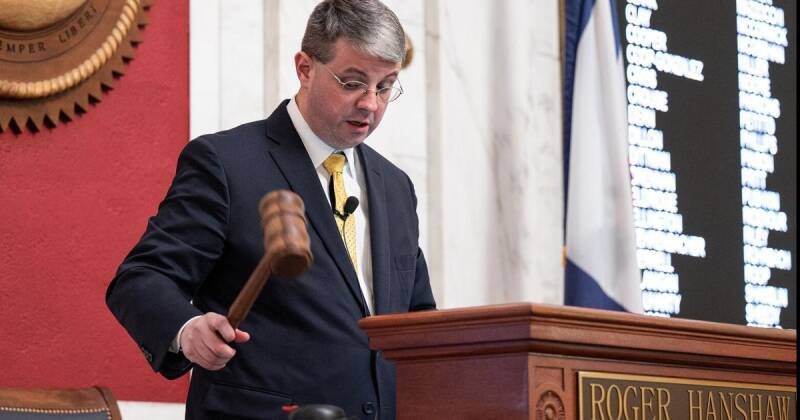
A cloud of conflict-of-interest allegations hangs over the West Virginia Intermediate Court of Appeals, casting a shadow on its impartiality in a case involving a data center. The controversy centers around the involvement of West Virginia House of Delegates Speaker Roger Hanshaw, R-Clay, and Chief Judge Daniel Greear, raising serious questions about the fairness and integrity of the judicial process.
The Key Players
The primary figures in this controversy are:
- Roger Hanshaw: Speaker of the West Virginia House of Delegates.
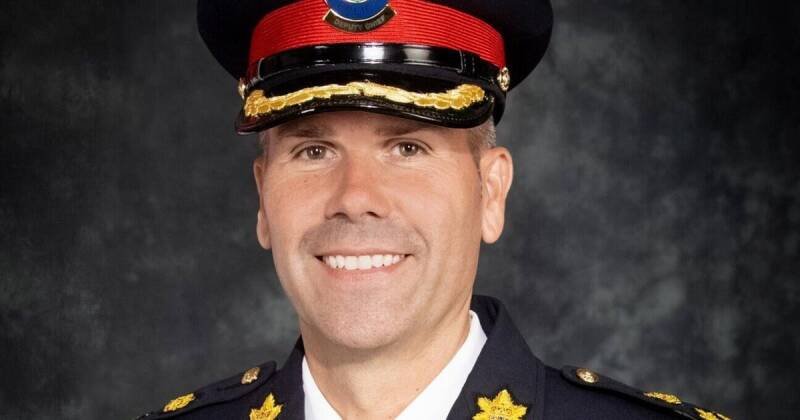
- Daniel Greear: Chief Judge of the West Virginia Intermediate Court of Appeals.
The Core of the Issue
The conflict-of-interest concerns arise from Speaker Hanshaw's public support for Chief Judge Greear, specifically in the context of Greear's election campaign. Hanshaw has openly endorsed Greear through various means, including sponsoring campaign events and speaking at fundraisers.
For example, Hanshaw lent his name to Greear's election campaign meet-and-greets held at Waterfront Hall and the Blennerhassett Hotel in Parkersburg in October 2025. Further, he spoke at a May 2025 fundraiser for Greear's campaign at Charleston's DT Prime steakhouse. These actions raise ethical red flags when the court, led by Chief Judge Greear, is hearing a case with potential ramifications for parties connected to Speaker Hanshaw or his legislative agenda.
Why This News Matters
The integrity of the judicial system is paramount to a fair and just society. Allegations of conflict of interest erode public trust in the courts and undermine the rule of law. When elected officials and judges appear to be too closely aligned, it raises concerns that decisions may be influenced by personal relationships or political considerations rather than impartial application of the law.
This specific case before the Intermediate Court of Appeals, related to a data center, has significant economic implications for West Virginia. Any perception that the court's decision is biased could damage the state's reputation and deter future investment.
Our Analysis
In our opinion, Speaker Hanshaw's active participation in Chief Judge Greear's campaign, while not explicitly illegal, creates a clear appearance of impropriety. The timing of these endorsements, coinciding with a case before the court, amplifies these concerns. We believe that Judge Greear should have recused himself from any case where a perceived conflict could exist due to the Speaker's political and financial support.
The fact that these concerns extend beyond just Hanshaw and Greear, potentially involving other judges on the court, further complicates the situation. This suggests a potentially systemic issue regarding ethical oversight within the West Virginia judiciary.
This situation highlights the need for stronger ethical guidelines and stricter enforcement mechanisms to ensure that judges remain independent and impartial.
Future Outlook
This controversy could impact the outcome of the data center case currently before the Intermediate Court of Appeals. Depending on how the court addresses these concerns, it could also trigger investigations by ethics committees or even lead to legal challenges. We anticipate increased scrutiny on judicial ethics and campaign finance regulations in West Virginia.
Furthermore, this incident may prompt a broader discussion about the appointment and election of judges, exploring alternative systems that prioritize judicial independence and minimize the potential for political influence. Moving forward, transparency and accountability must be at the forefront of the judiciary.
Ultimately, the resolution of this situation will depend on the actions taken by the court, the legislature, and the relevant oversight bodies. However, it is clear that this case has raised important questions about the integrity of the West Virginia judicial system, questions that demand serious and thorough answers.