Russia Warns US-Iran Talks Could Mask Military Plans: What It Means
Russia claims US-Iran talks might hide military strategies. Explore the implications, our analysis, and the future outlook for this geopolitical development.
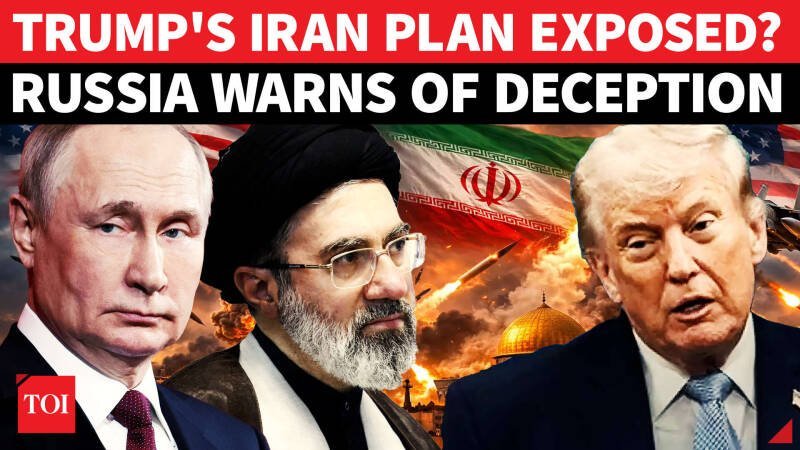



Russia claims US-Iran talks might hide military strategies. Explore the implications, our analysis, and the future outlook for this geopolitical development.
Russia has issued a stark warning regarding the ongoing dialogue between the United States and Iran. A senior official from the Russian Security Council suggests these diplomatic discussions might be a guise for the development of more aggressive, potentially military-oriented, strategies. The Russian perspective, as reported by RT News, casts a shadow of doubt over the true intentions behind the negotiations.
This warning comes amidst reports of an increased US military presence in the Middle East. The convergence of diplomatic talks and visible military deployments is fueling tensions and raising questions about the stability of the region.
According to the Russian official, the fear is that the US might be using the negotiations to lull Iran into a false sense of security, distracting them while Washington crafts more significant operational plans. The exact nature of these potential plans remains unspecified, but the implication is clear: Russia suspects the US might be preparing for military action against Iran.
This isn’t the first time accusations of duplicity have surfaced in international relations. The history of diplomacy is riddled with instances where talks have been used as cover for other, less peaceful, activities.
This situation is far from a simple disagreement. It touches upon core global power dynamics and regional security. The potential consequences are extensive:
In our opinion, Russia's warning should be taken with a grain of salt, but not dismissed entirely. Russia has its own geopolitical interests in the region and a vested interest in portraying the US in a negative light. However, the coincidence of diplomatic talks and an increased US military presence *is* noteworthy. It warrants careful scrutiny and raises legitimate questions about the true intent behind US actions.
It's also important to consider the domestic political climate in both the US and Iran. Hardliners in both countries may be resistant to any perceived concessions or compromises. The existence of these internal pressures adds another layer of complexity to the situation.
This could impact global oil prices and overall investor confidence. Periods of uncertainty generally lead to risk aversion in financial markets.
The coming weeks and months will be crucial in determining the validity of Russia's concerns. Key indicators to watch include:
Ultimately, the future hinges on whether all parties are genuinely committed to de-escalation and peaceful resolution. In the absence of transparency and good faith, the risk of miscalculation and escalation remains dangerously high.
Moving forward, clear communication and verifiable actions are essential to build trust and prevent further escalation of tensions. The global community must actively encourage all parties to pursue a path of dialogue and diplomacy, avoiding any actions that could be interpreted as provocative or aggressive.