UN Report Calls for Removal of Nigerian Defence Minister: What It Means
A UN-WCD report recommends removing Nigeria's Minister of State for Defence. We break down the report's findings, analyze the implications, and discuss the future outlook.
UN Report Calls for Removal of Nigerian Defence Minister: What It Means
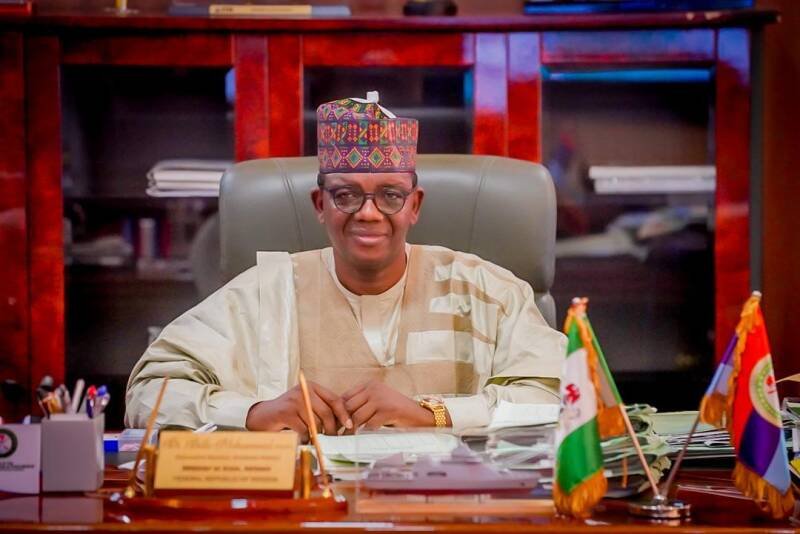
A United Nations-affiliated organization has issued a report recommending the removal or reassignment of Nigeria's Minister of State for Defence, Bello Matawalle. This news, released on April 14, 2026, by the United World Congress of Diplomats (UN-WCD), is already stirring up significant debate and raising questions about the direction of Nigeria's security apparatus. Let's delve into the details.
The UN-WCD Recommendation
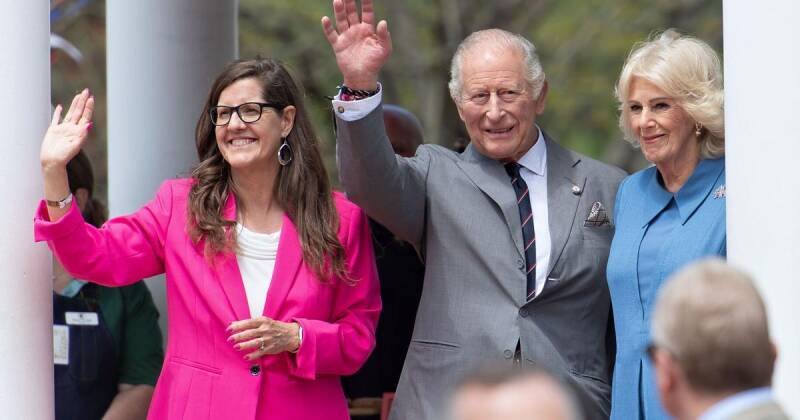
The report, spearheaded by Florida State Representative and UN-WCD Chairwoman Kimberly Daniels, specifically suggests that Matawalle be removed from his current role. While the specific details of the report's contents haven't been made public, the recommendation itself speaks volumes.
Who is the UN-WCD?
The United World Congress of Diplomats (UN-WCD) is an organization that aims to foster international cooperation and diplomacy. While not an official UN body, it's connected through various partnerships and affiliations. Its reports carry weight, particularly concerning international relations and security assessments.
Why This News Matters
This recommendation from the UN-WCD carries significant weight for several reasons:
* **International Scrutiny:** It highlights that Nigeria's security situation is under international scrutiny. The UN-WCD's involvement suggests concerns that extend beyond domestic politics.
* **Potential Impact on Security:** A change in leadership at the Ministry of State for Defence could disrupt ongoing strategies and initiatives, potentially impacting Nigeria's ability to address its security challenges.
* **Political Implications:** The recommendation could trigger a political storm within Nigeria, potentially leading to a cabinet reshuffle and impacting the balance of power.
Our Analysis
In our opinion, this report reflects a growing concern within the international community regarding Nigeria's internal security dynamics. While we don't have access to the full report and the specific evidence it presents, the call for removal suggests a serious lack of confidence in the current leadership.
The timing of this report is also noteworthy. Nigeria faces numerous security challenges, including banditry, insurgency, and communal violence. A perceived weakness in the Ministry of Defence could embolden these actors and further destabilize the region.
We believe this report could significantly impact President Bola Ahmed Tinubu's administration. He now faces a difficult decision: ignore the international pressure and maintain the status quo, or heed the recommendation and risk alienating powerful political figures.
Future Outlook
The coming weeks will be crucial in determining the fallout from this report. Several scenarios could unfold:
* **Matawalle's Removal:** President Tinubu could choose to remove or reassign Matawalle, signaling a commitment to addressing international concerns. This could lead to a period of uncertainty as a new minister is appointed and takes office.
* **Rejection of the Recommendation:** The Nigerian government could reject the UN-WCD's recommendation, arguing that it is based on inaccurate information or constitutes undue interference in Nigeria's internal affairs. This could strain relations with international partners.
* **An Investigation:** The government could launch an internal investigation into the allegations raised in the report, providing an opportunity for Matawalle to defend himself and for the government to demonstrate its commitment to accountability.
This could impact investor confidence. Foreign businesses rely on stable and predictable security environments, so this event may pause or reduce investment in Nigeria.