Senate Fails to End Iran War: What It Means for US Foreign Policy
The Senate again rejects a resolution to end US involvement in the Iran war. What does this mean for the future of US foreign policy in the Middle East? Expert analysis and future outlook included.
Senate Fails to End Iran War: A Turning Point in US Foreign Policy?
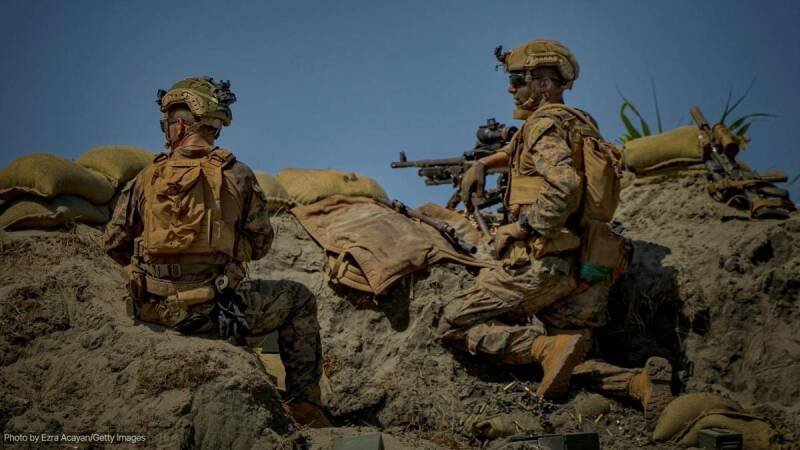
The US Senate recently voted against a resolution that aimed to end US military involvement in the conflict related to Iran. While the resolution failed to pass, it signals a growing desire within Congress, particularly among Democrats, to re-evaluate America's role in the Middle East. This vote marks the beginning of what promises to be a drawn-out political battle over US foreign policy and military intervention in the region.
What Happened?
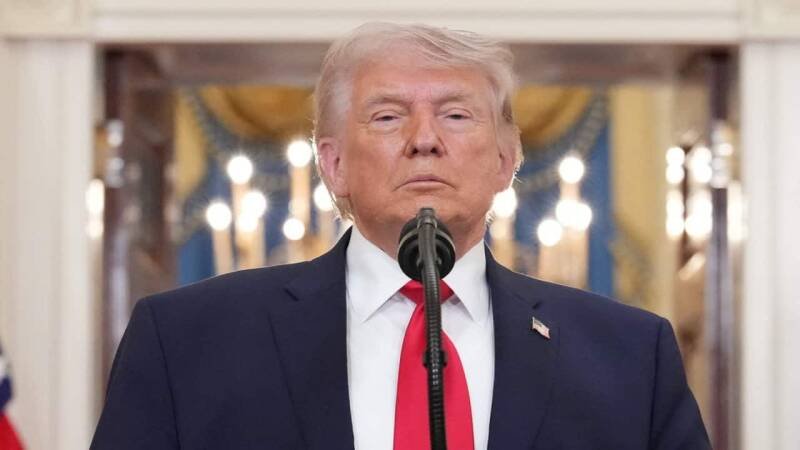
The resolution, championed by a group of senators, sought to invoke the War Powers Resolution to limit the President's authority to engage in military actions against Iran without explicit congressional approval. The War Powers Resolution, passed in 1973, is designed to check the President's power to commit the US to an armed conflict without the consent of Congress. However, the resolution fell short of the votes needed to pass, highlighting the deep divisions within Congress on this issue.
The Underlying Context
The US has been involved in the Middle East for decades, with varying degrees of direct military engagement. The relationship with Iran is particularly complex, marked by periods of cooperation and intense hostility. The current situation is a result of a combination of factors, including Iran's nuclear ambitions, its support for proxy groups in the region, and the legacy of past US interventions. The debate over this resolution reflects a broader national conversation about the costs and benefits of US involvement in foreign conflicts.
Why This News Matters
This vote is significant for several reasons:
- It reflects growing public and political unease about the seemingly endless US military commitments in the Middle East.
- It signals a potential shift in US foreign policy, with a growing number of lawmakers questioning the effectiveness and sustainability of current approaches.
- It puts pressure on the Biden administration to articulate a clear and coherent strategy for dealing with Iran and the broader Middle East region.
- It could impact future military operations and the level of US involvement in regional conflicts.
Our Analysis
In our opinion, the failure of this resolution doesn't necessarily mean the end of efforts to re-evaluate US policy toward Iran. It simply indicates that the political landscape is complex and that significant hurdles remain. The fact that the resolution garnered a considerable number of votes, particularly from within the Democratic party, suggests a growing momentum for change. This could force the Biden administration to engage in a more robust dialogue with Congress on its Iran strategy.
We believe the key issue is not necessarily whether to completely disengage from the Middle East, but rather to define a more focused and sustainable approach. This could involve prioritizing diplomacy, strengthening alliances, and focusing on targeted counterterrorism efforts rather than large-scale military interventions. It also necessitates a frank and open debate about the long-term costs and benefits of different policy options. Failing to do so risks repeating the mistakes of the past.
Future Outlook
The debate over US policy toward Iran is far from over. We anticipate further votes and legislative efforts in the coming months as Congress continues to grapple with this issue. The upcoming midterm elections could also significantly shift the political dynamics, potentially influencing the future direction of US foreign policy.
Here's what we expect to see:
- Continued pressure on the Biden administration to provide a clearer strategy for dealing with Iran.
- Further congressional efforts to limit the President's authority to engage in military actions without explicit approval.
- Increased public debate about the role of the US in the Middle East.
- Potential for new legislative initiatives aimed at promoting diplomacy and de-escalation in the region.
This could impact the future of US involvement in the Middle East for years to come, potentially leading to a more restrained and diplomatically focused approach. The outcome hinges on the ability of policymakers to bridge the existing political divides and forge a consensus on a path forward that serves the long-term interests of the United States and promotes stability in the region.