Cybernoid: The Fighting Machine - NES Classic Rediscovered & Why It Matters
Jeremy Parish spotlights Cybernoid: The Fighting Machine on NES Works. Discover why this classic game still resonates and its influence on modern gaming.
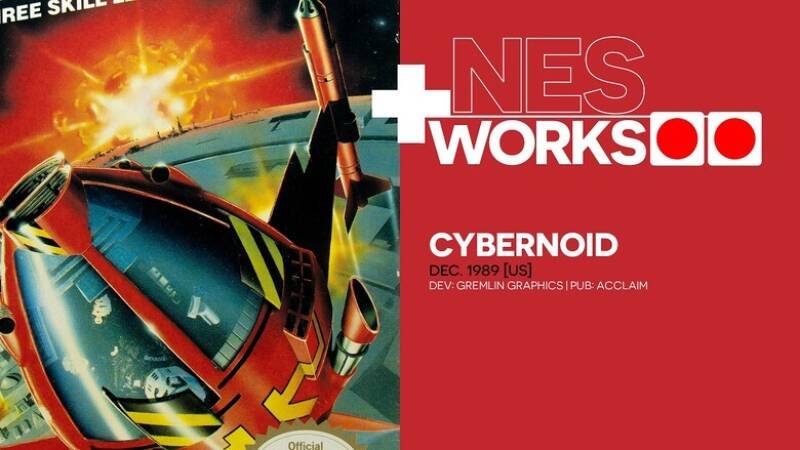



Jeremy Parish spotlights Cybernoid: The Fighting Machine on NES Works. Discover why this classic game still resonates and its influence on modern gaming.
Jeremy Parish, the renowned gaming historian and critic, recently featured Cybernoid: The Fighting Machine on his NES Works series (Episode 169). This episode provides a detailed look at the game's history, gameplay mechanics, and lasting appeal. For retro gaming enthusiasts and newcomers alike, Parish's analysis offers valuable insight into this underappreciated NES title.
Cybernoid: The Fighting Machine is a scrolling shooter developed by Hewson Consultants. It was originally released for computers like the Amiga and Commodore 64 before making its way to the NES. Players control a lone spacecraft tasked with infiltrating heavily guarded space stations. The game is known for its challenging levels, strategic gameplay, and emphasis on resource management.
The NES version, while not a perfect port of its computer counterparts, maintains the core gameplay and atmosphere that made the original so popular. Parish's NES Works episode meticulously examines the differences and similarities between versions, providing context to those familiar with other releases.
The coverage of Cybernoid on NES Works is significant for several reasons:
In our opinion, Parish's choice to spotlight Cybernoid is excellent. While not as universally recognized as Super Mario Bros. or The Legend of Zelda, Cybernoid offers a unique and challenging experience that deserves attention. Its strategic gameplay, where careful planning and resource management are crucial for success, distinguishes it from more straightforward shoot 'em ups.
The game's difficulty, while sometimes frustrating, contributes to its rewarding nature. Overcoming obstacles through careful planning and skillful execution feels truly satisfying. This emphasis on strategy, combined with the game's unique aesthetic, makes Cybernoid a standout title in the NES library.
One of the most interesting aspects of Cybernoid is its resource management. Players have limited energy and must carefully conserve it to survive. They can collect energy pickups throughout the levels, but these are often strategically placed and require careful maneuvering to obtain. This adds a layer of depth and complexity to the gameplay that's often missing in other shooters.
While the NES version of Cybernoid is not identical to its computer counterparts, it’s a solid port that captures the spirit of the original. There are some graphical and audio differences due to the limitations of the NES hardware, but the core gameplay remains intact. Parish does an excellent job highlighting these differences in his video.
The renewed interest in classic games suggests that titles like Cybernoid will continue to find new audiences. As more players explore the NES library, games that were once considered obscure or underrated are being rediscovered and appreciated. This could lead to:
This could impact how future generations see and interact with the games they play, especially when designers look back for interesting mechanics.
Ultimately, Jeremy Parish's coverage of Cybernoid: The Fighting Machine is a valuable contribution to the retro gaming community. It sheds light on a deserving title and reminds us of the importance of preserving and appreciating gaming history.