Virginia Tech Softball Player Denied NCAA Injunction: What It Means
A Virginia Tech softball player's request for an injunction against the NCAA was denied. Learn why this matters, the future outlook, and our analysis.
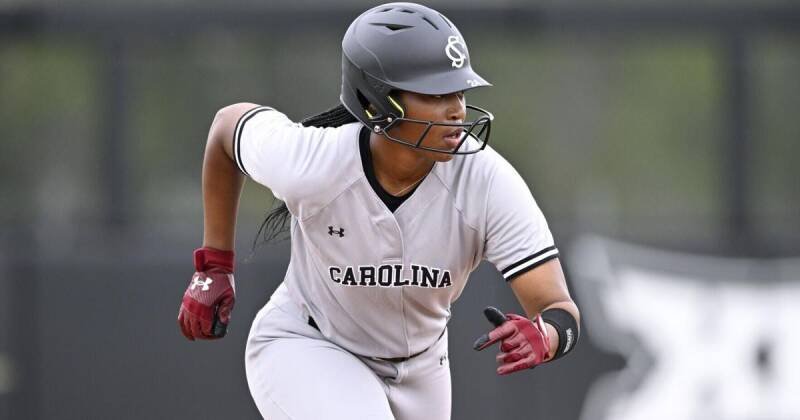



A Virginia Tech softball player's request for an injunction against the NCAA was denied. Learn why this matters, the future outlook, and our analysis.
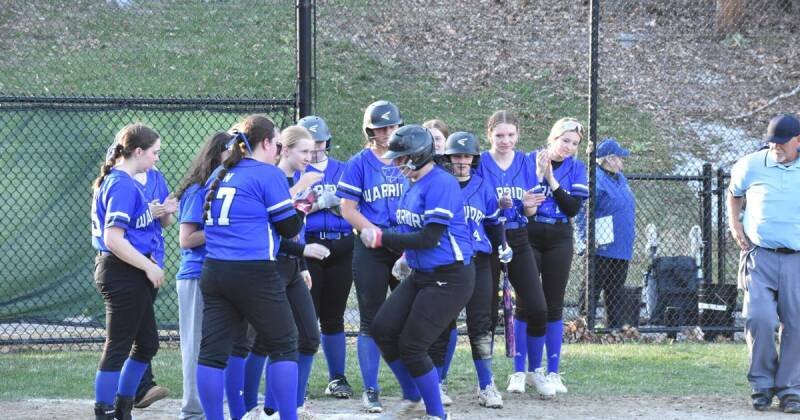
Virginia Tech softball player, Warren, recently had her request for a preliminary injunction against the NCAA denied. This legal move aimed to grant her immediate eligibility to play for the Hokies this season. Unfortunately for Warren and the Virginia Tech softball program, the court didn't side with her, meaning she won't be taking the field anytime soon. This development highlights the ongoing tension between student-athletes and the NCAA regarding transfer rules and eligibility.
A preliminary injunction is a court order that compels a party to either do or refrain from doing specific acts until a later trial or hearing on the matter. In Warren's case, she sought an injunction forcing the NCAA to allow her to play while her case was further investigated. With the denial, she is effectively ineligible to play under current NCAA rules.
This case brings to the forefront the broader debate surrounding student-athlete rights and the NCAA's often complex and arguably restrictive transfer regulations. It affects not only Warren but potentially sets a precedent for other student-athletes facing similar eligibility challenges. The outcome underscores the significant power the NCAA holds over student-athletes' careers.
The NCAA's rules often prevent athletes from transferring and playing immediately at a new school without sitting out a year. Exceptions exist, but they can be difficult to obtain. Cases like Warren's draw attention to the fairness and potential impact these rules have on individual athletes. This case serves as a microcosm of the larger national debate.
In our opinion, this denial is a significant blow to Warren and the Virginia Tech softball team. While the legal specifics are complex, the human impact is clear. A student-athlete’s career is short, and a year on the sidelines can be devastating. We believe that while rules are necessary, a greater emphasis should be placed on individual circumstances and fairness.
The NCAA argues its transfer rules are designed to prevent "free agency" and maintain competitive balance. However, critics argue that these rules unduly restrict athletes' freedom of movement and economic opportunities. We believe a balance needs to be struck that protects both the integrity of college sports and the rights of student-athletes. The current system appears to be leaning too heavily in favor of institutional control.
Furthermore, this case highlights the financial disparities within college sports. Power conference schools can afford legal battles with the NCAA, while individual athletes or smaller programs may not have the resources to fight back. This creates an uneven playing field both on and off the field.
While Warren's request for an injunction was denied, this may not be the end of the story. She could still pursue other legal avenues or seek a waiver from the NCAA to regain her eligibility. However, the chances of success are uncertain.
This case could impact future legal challenges to NCAA transfer rules. Attorneys and student-athlete advocates will likely scrutinize the court's decision and seek to build stronger arguments in similar cases going forward. The legal landscape surrounding student-athlete rights is constantly evolving, and this case contributes to that evolution. There are active debates ongoing in Congress and various state legislatures, aimed at giving athletes more control over their careers. This will likely lead to future changes to the NCAA's rules and regulations, either voluntarily or through legal pressure.
Ultimately, the future of college athletics hinges on finding a more equitable balance between the interests of institutions and the rights of student-athletes. Warren's case serves as a reminder that real people are affected by these decisions, and that meaningful reform is needed. The pressure on the NCAA to modernize its approach will likely continue to increase.