One Nation and Sean Black: Examining a Controversial Alliance
Explore the controversy surrounding One Nation's relationship with Sean Black, a convicted rapist, and analyze the implications for the party's image and voter base.



Explore the controversy surrounding One Nation's relationship with Sean Black, a convicted rapist, and analyze the implications for the party's image and voter base.
Pauline Hanson's One Nation party is facing intense scrutiny following revelations about its relationship with Sean Black, a man with a disturbing history of violence and convictions, including rape. Investigations by Ross Jones, reported in The Australian, have cast a spotlight on this controversial alliance, raising questions about the party's values and the composition of its voter base.
Reports indicate that One Nation has, in effect, embraced Sean Black, despite his criminal record. This association has sparked outrage and disbelief, particularly given the severity of his past offenses. The party's apparent willingness to overlook Black's history has led to accusations of hypocrisy and a disregard for the victims of his crimes.
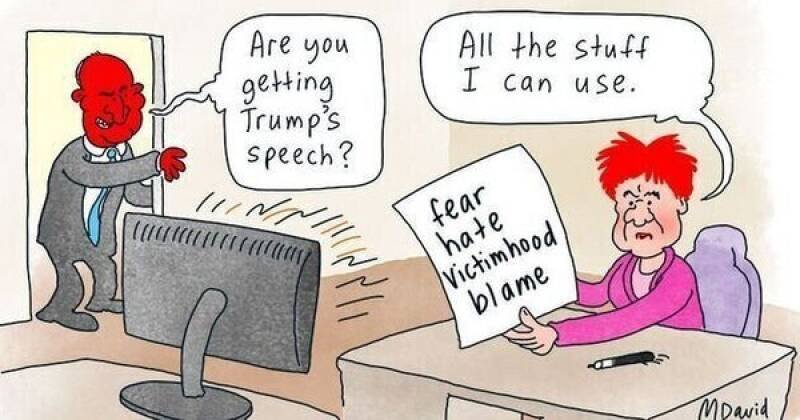
Furthermore, the report in The Australian highlights a surprising demographic trend: One Nation is attracting more female voters than previously assumed. This revelation challenges traditional assumptions about the party's support base and adds another layer of complexity to the Sean Black controversy. How can a party attracting female voters reconcile with being associated with a convicted rapist?
This situation is significant for several reasons:
In our opinion, One Nation's handling of the Sean Black situation demonstrates a significant lack of judgment. Aligning with someone with such a disturbing history is not only ethically questionable but also strategically unwise. It alienates potential supporters and reinforces negative perceptions of the party.
The revelation about the increasing number of female voters supporting One Nation is particularly perplexing. It suggests that the party's messaging is resonating with women despite its controversial stances on other issues. This could be because they are appealing to the economic concerns or rural issues that impact women in particular.
This situation presents One Nation with a crucial challenge. They must decide whether to prioritize short-term political gains over long-term ethical considerations. This decision could define the party's future and its relationship with the broader Australian public.
The future implications of this controversy are uncertain, but several potential scenarios could unfold:
This could impact One Nation's ability to form coalitions with other parties. Potential allies may be hesitant to associate with a party embroiled in such controversy.
The long-term impact of this controversy will depend on how One Nation responds to the criticism and addresses the concerns raised by the public and the media. Only time will tell if the party can weather this storm and maintain its relevance in Australian politics.