Prince George Residents Asked to Collect Bear Feces for Science: Understanding Urban Bear Behavior
Residents of Prince George are being asked to collect bear poop for a Calgary Zoo research project studying how bears are adapting to urban environments. Learn why this matters and what it means for the future.
Prince George Residents Asked to Collect Bear Feces for Science
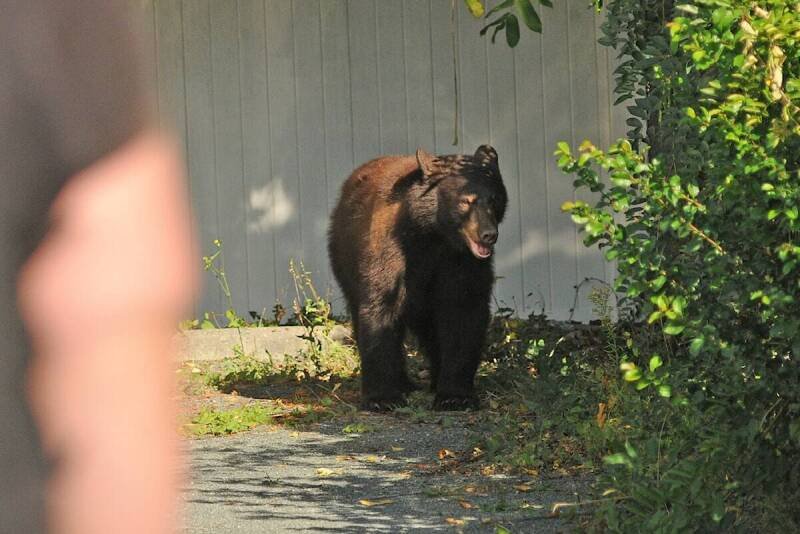
Residents of Prince George, British Columbia, are being asked to participate in a unique research project: collecting bear feces, also known as bear poop. The CNC Research Forest is expanding its partnership with the Calgary Zoo to better understand how bears are adapting to living in and around urban areas.
Why Bear Poop?
Believe it or not, bear poop is a goldmine of information for researchers. By analyzing the contents, scientists can determine a bear's diet, stress levels (through hormones), and even their genetic makeup. This data helps paint a picture of how urban environments are impacting bear behavior and health.
The project aims to understand how bears are using urban areas, what they are eating in these environments, and how this impacts their overall well-being. Understanding these factors is crucial for developing effective conservation strategies.
Why This News Matters
This research is incredibly important for a few key reasons:
- Human-Wildlife Conflict: As cities expand, human-wildlife interactions increase. Understanding bear behavior in urban areas can help minimize conflicts and ensure the safety of both humans and bears.
- Conservation Efforts: The data collected can inform conservation strategies aimed at protecting bear populations and their habitats.
- Public Awareness: This project raises awareness about the challenges of living alongside wildlife and encourages responsible behavior in bear country.
Our Analysis
In our opinion, this initiative is a fantastic example of citizen science in action. By involving the local community, researchers can gather a large amount of data that would otherwise be difficult to obtain. This collaborative approach fosters a sense of ownership and responsibility towards wildlife conservation.
Furthermore, the research has the potential to significantly improve our understanding of how bears are adapting to urban environments. This could impact urban planning decisions, waste management strategies, and public education campaigns.
The Impact of Urbanization on Bears
Urban sprawl forces bears to adapt to new food sources and living conditions. This can lead to changes in their behavior, such as increased aggression or a greater reliance on human-provided food. The research in Prince George will shed light on these adaptations and their consequences.
For example, if the analysis reveals that bears are primarily feeding on garbage, it highlights the need for improved waste management practices. Similarly, if the data indicates high stress levels, it may prompt the implementation of measures to reduce human-bear interactions.
Future Outlook
The success of this project could pave the way for similar research initiatives in other urban areas with bear populations. The data collected in Prince George will be invaluable for developing best practices for managing human-bear coexistence.
Looking ahead, we believe that this research will contribute to a more sustainable and harmonious relationship between humans and wildlife. By understanding the needs of bears and adapting our behavior accordingly, we can create a future where both can thrive.
It's important for Prince George residents to participate responsibly, following guidelines provided by the CNC Research Forest and the Calgary Zoo to ensure the safety of both themselves and the bears. The effort being made is a shining example of how communities and scientists can work together for the common good.