Wisconsin Storms: Power Outages, Damage, and What's Next
Severe storms in Wisconsin, particularly Dane County, have caused power outages and damage. We analyze the impact, future forecasts, and what you need to know.



Severe storms in Wisconsin, particularly Dane County, have caused power outages and damage. We analyze the impact, future forecasts, and what you need to know.
Severe storms swept across Wisconsin, including Dane County, leaving thousands without power and causing property damage. The storms, which hit hard on Monday, brought strong winds and heavy rain, disrupting daily life for many residents.
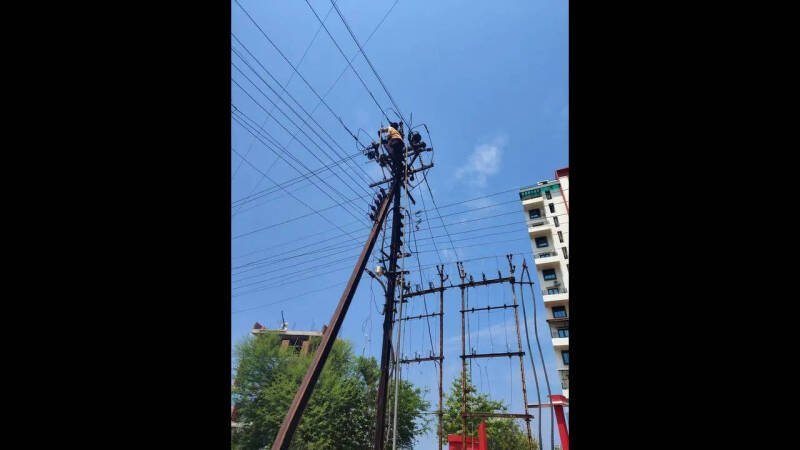
The immediate impact of the storms includes widespread power outages. Utility companies are working to restore electricity, but the process is slow due to the extent of the damage. Besides power outages, downed trees and damaged property are also being reported throughout the affected areas. Some roads have been temporarily closed due to debris.
These storms are more than just a temporary inconvenience. They highlight the increasing vulnerability of our infrastructure to extreme weather events. Understanding the risks and preparing accordingly is crucial for individuals and communities. The economic impact, while still being assessed, could be significant, affecting businesses and individual households.
In our opinion, these storms are a stark reminder of the growing threat of extreme weather. Climate change is likely playing a role in the increasing frequency and intensity of such events. We need to invest in more resilient infrastructure, including burying power lines and upgrading drainage systems, to better withstand future storms.
The response from utility companies and local authorities seems to be swift, but communication is key. Keeping residents informed about the progress of power restoration and providing clear safety guidelines is crucial during these times.
Unfortunately, the forecast calls for more severe storms on Tuesday afternoon and night, with the peak threat expected between 6-10 p.m. This means residents need to remain vigilant and take necessary precautions. It's essential to stay informed about weather updates from reliable sources like the National Weather Service.
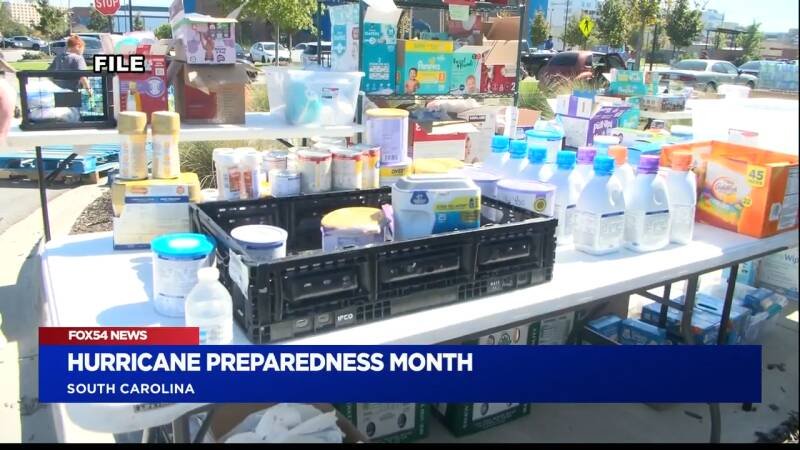
Here are a few steps you can take to prepare for the upcoming storms:
Beyond immediate preparedness, we need to address the root causes of these extreme weather events. This includes reducing greenhouse gas emissions and investing in climate adaptation measures. Cities and states should prioritize infrastructure improvements that can withstand more frequent and intense storms. This could impact everything from building codes to urban planning.
Ultimately, building community resilience is key. This means fostering strong social networks, promoting emergency preparedness training, and ensuring that everyone has access to the resources they need to stay safe during extreme weather events. A proactive approach, combined with responsible environmental policies, is essential to protect our communities from the increasing threat of severe storms. It’s not just about reacting to the immediate crisis; it’s about creating a future where our communities are better prepared and more resilient to the challenges of a changing climate.