Prescribed Burns Near Nazko Community: Why They Matter
Learn about the planned prescribed burns near the Nazko Community in British Columbia, Canada. We break down the what, why, and future outlook of this important wildfire prevention strategy.



Learn about the planned prescribed burns near the Nazko Community in British Columbia, Canada. We break down the what, why, and future outlook of this important wildfire prevention strategy.
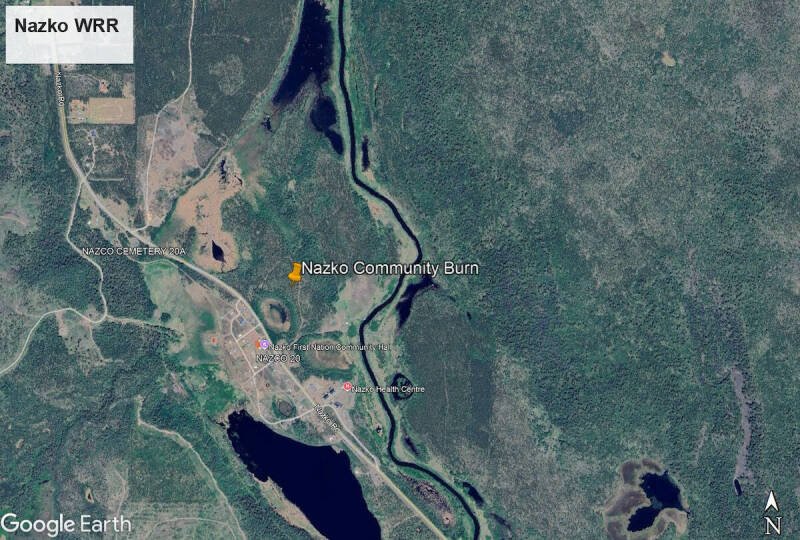
Planned prescribed burns are scheduled to begin near the Nazko Community in northeastern British Columbia as early as Tuesday, April 14th. But what exactly are prescribed burns, and why are they being conducted?
Prescribed burns, also known as controlled burns, are intentionally set fires designed to reduce the accumulation of hazardous fuels like dry brush, dead trees, and overgrown vegetation. These accumulations, if left unchecked, can significantly increase the risk and intensity of wildfires.
Think of it like this: Imagine a pile of kindling versus a single log. The kindling is much easier to ignite and will burn quickly and intensely. Prescribed burns act like proactive "kindling removal," making the forest floor less susceptible to devastating uncontrolled fires.
The primary goal of prescribed burns is to mitigate wildfire risk and protect communities, infrastructure, and natural resources. But the benefits extend beyond simply reducing fuel loads. Here are some key reasons for using this method:
The decision to implement prescribed burns near the Nazko Community is significant because it reflects a proactive approach to wildfire management. Wildfires pose a significant threat to communities and ecosystems in British Columbia, and preventative measures like prescribed burns are crucial for minimizing that risk. This is especially important for the Nazko First Nation, whose traditional territory and way of life could be severely impacted by a large wildfire.
In our opinion, the use of prescribed burns is a necessary and responsible forest management strategy, especially in fire-prone regions like British Columbia. While there are inherent risks associated with any type of fire, the potential consequences of uncontrolled wildfires are far greater. The key is careful planning, execution, and monitoring. The timing of these burns, as the article indicates, suggests professionals are taking into account current weather conditions to minimize risk and maximize effectiveness.
However, public education is vital. Many people are understandably concerned about the use of fire, and it's important to communicate the benefits and safety measures involved in prescribed burns. Transparent communication can help build trust and ensure community support for these crucial initiatives.
We anticipate that the use of prescribed burns will become increasingly common in British Columbia and other regions facing heightened wildfire risk. Climate change is exacerbating the problem, leading to longer and more intense fire seasons. This could impact the frequency of planned burns in the area.
The success of these programs depends on several factors, including:
Ultimately, prescribed burns are a tool that, when used responsibly, can help us create healthier, more resilient forests and protect communities from the devastating impacts of wildfires. It requires understanding the risk, and balancing short-term impact for long-term benefits.