Canada Suspends Fuel Tax: A Deep Dive into Carney's First Act
Learn about Canadian Prime Minister Carney's suspension of the fuel tax, the reasons behind it, and what it means for Canadians and the economy. Our analysis includes future outlook and potential impacts.
Canada Suspends Fuel Tax Amidst Geopolitical Tensions
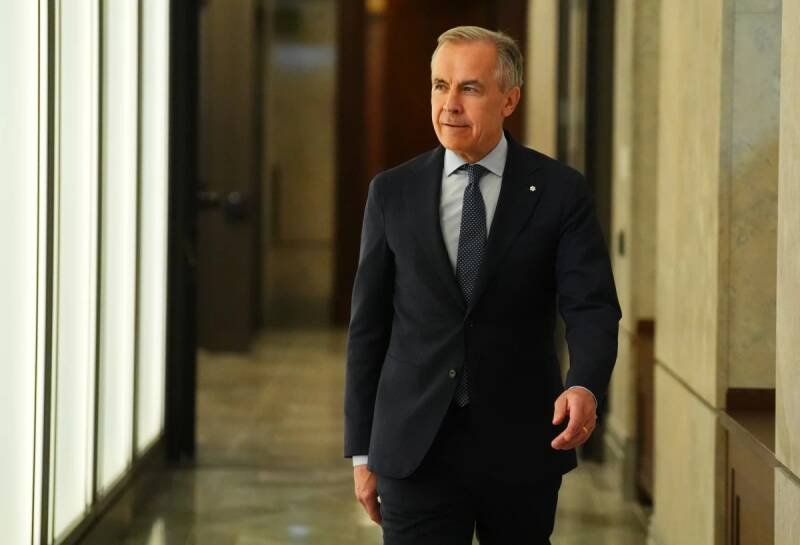
In a significant move following recent election gains, Canadian Prime Minister Mark Carney has suspended the federal fuel excise tax. This decision, announced on Tuesday, is aimed at alleviating the financial burden on Canadians amid rising fuel prices, particularly exacerbated by the ongoing conflict related to Iran.
The Suspension: Details and Timeline
The fuel tax suspension is slated to begin next Monday and will remain in effect until Labor Day, September 7th. Carney framed the measure as a "responsible, temporary" solution to ease the pressure on consumers and businesses alike. This will particularly impact truckers and companies reliant on fuel for transportation.
A Shift in Canadian Politics
Carney's Liberal Party now holds a majority government with 174 out of 343 seats in the House of Commons. This newfound majority eliminates the need for cross-party support to pass legislation, providing the government with greater autonomy to implement its agenda. What's more, this is the first time in Canada’s history that a government has transitioned from a minority to a majority between national elections.
Why This News Matters
This news carries significant weight for several reasons:
- Immediate Relief for Consumers: The fuel tax suspension will provide immediate financial relief to Canadians, particularly those who rely heavily on vehicles for commuting or work.
- Impact on Businesses: Reduced fuel costs will lower operating expenses for businesses, potentially boosting economic activity.
- Geopolitical Context: The suspension is directly linked to the Iran war, highlighting the impact of global events on domestic policy.
- Political Shift: Carney's majority government signifies a shift in Canadian politics, enabling him to pursue his policy agenda more effectively.
Our Analysis
In our opinion, Carney's decision to suspend the fuel tax is a calculated move to address immediate economic concerns and solidify his government's position. The timing, following the acquisition of a majority, suggests a desire to act decisively and demonstrate responsiveness to the needs of Canadian citizens.
Furthermore, Carney’s background as a former head of both the Bank of England and Canada's central bank lends credibility to his economic policies. His focus on affordability and housing, alongside accelerating major economic projects, reflects a desire to balance short-term relief with long-term economic growth.
Future Outlook
Looking ahead, several factors could influence the future of Canadian economic policy:
- Duration of the Iran War: The ongoing conflict will continue to impact global fuel prices and, consequently, Canada's economic decisions.
- Long-Term Energy Strategy: A more sustainable long-term solution is needed to insulate Canada from future price shocks.
- Relationship with the U.S.: Carney's stated goal of reducing Canada's reliance on the U.S. will shape future trade agreements and economic partnerships.
- Potential for a 2029 Election: With the Liberal Party potentially in power until 2029, Carney has a considerable window to implement his agenda and leave a lasting impact on Canadian society.
Potential Impacts
This suspension could impact inflation rates in Canada. Reduced fuel costs might temporarily decrease inflation, but the long-term effects depend on broader economic factors. It also might encourage more driving, which could increase greenhouse gas emissions, though the effect should be relatively small, and temporary.
The shift towards the center-right under Carney's leadership could also influence future policy decisions. His emphasis on economic stability and global engagement signals a potentially different direction for Canada compared to previous administrations.
Overall, Carney’s first act as leader of a majority government sends a clear message: Canada is prepared to act swiftly to protect its citizens from economic hardship, and intends to strengthen its position on the world stage.