R. Kelly Victim Speaks Out: Why This Story Still Matters
Reshona Landfair, known as "Jane" in the R. Kelly trial, shares her story. We analyze the impact, the future implications, and why this case remains vital in the fight against abuse.
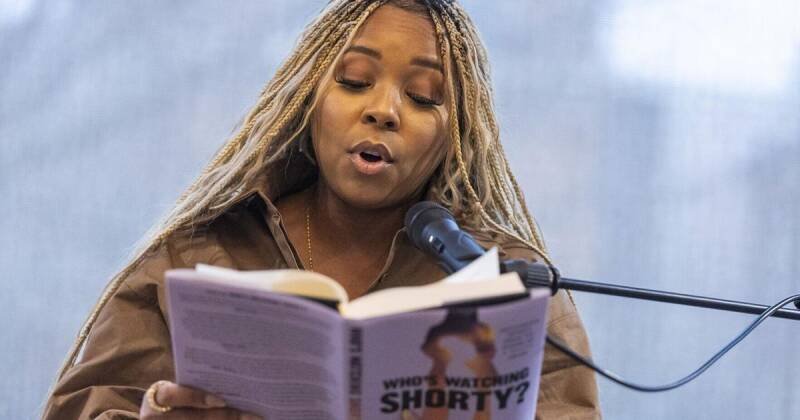



Reshona Landfair, known as "Jane" in the R. Kelly trial, shares her story. We analyze the impact, the future implications, and why this case remains vital in the fight against abuse.
Reshona Landfair, publicly known as "Jane" during the R. Kelly trial, is stepping forward to share her experiences in the documentary "Who's Watching Shorty?". This comes after the Chicago Tribune's extensive coverage of Kelly's trial and subsequent conviction in 2022 on child pornography charges. The case centered around explicit videos he made of himself with Landfair, his then 14-year-old goddaughter.
For years, Landfair remained anonymous to protect her identity and privacy. Now, she's choosing to take control of her narrative and speak openly about the trauma she endured. The documentary promises to offer a firsthand account of her relationship with Kelly, the abuse she suffered, and the long road to healing.
The R. Kelly trial in Chicago was a landmark case. He was ultimately found guilty of creating and distributing child pornography involving Reshona Landfair. The evidence presented was graphic and disturbing, painting a picture of Kelly as a predatory figure who exploited his power and influence to abuse a vulnerable minor.
The conviction was a victory for survivors of sexual abuse and a strong message that such actions will not be tolerated. However, the legal proceedings were just one step in a much longer journey for Landfair, who has had to navigate the profound emotional and psychological impact of the abuse.
Landfair's decision to speak out is significant for several reasons:
In our opinion, Reshona Landfair's decision to share her story is incredibly brave and important. Her willingness to be vulnerable and open about her experiences will undoubtedly resonate with many. It reinforces the importance of believing survivors and providing them with the support they need to heal.
The media's role in covering these stories responsibly is crucial. By amplifying Landfair's voice and focusing on the impact of the abuse, we can shift the narrative away from the perpetrator and towards the survivors. The Chicago Tribune's coverage of the initial trial was instrumental in bringing Kelly to justice and laying the foundation for Landfair's eventual decision to speak out. The documentary "Who's Watching Shorty?" seems like a potent and intimate opportunity to explore the lasting effects of trauma.
While Landfair's decision is commendable, it's important to acknowledge potential downsides. She may face scrutiny and judgment from some quarters. Her mental health and well-being must be prioritized throughout this process, and she needs ongoing access to therapy and support.
The impact of Landfair's story will likely be felt for years to come. "Who's Watching Shorty?" could spur further investigations into similar cases and lead to greater protections for vulnerable children. We can expect to see more discussions about the normalization of sexual abuse in the entertainment industry and the need for greater accountability.
This could impact the way the justice system handles cases of sexual abuse, potentially leading to more effective prosecution of perpetrators and increased support for survivors. In our opinion, it is a critical moment that could reshape the landscape of abuse advocacy.
It's important to remember that healing from trauma is a long and arduous process. Reshona Landfair's journey is far from over, but by sharing her story, she is taking a significant step towards reclaiming her life and helping others along the way.
























