India Weather Update: Heatwave vs. Rain - Stay Safe & Informed
India's weather is divided! Heatwaves grip central and west India, while rain affects the north. Learn how to stay safe and avoid illness. Get the latest weather forecast and expert analysis.
India's Weather Rollercoaster: Heatwaves and Rain Collide
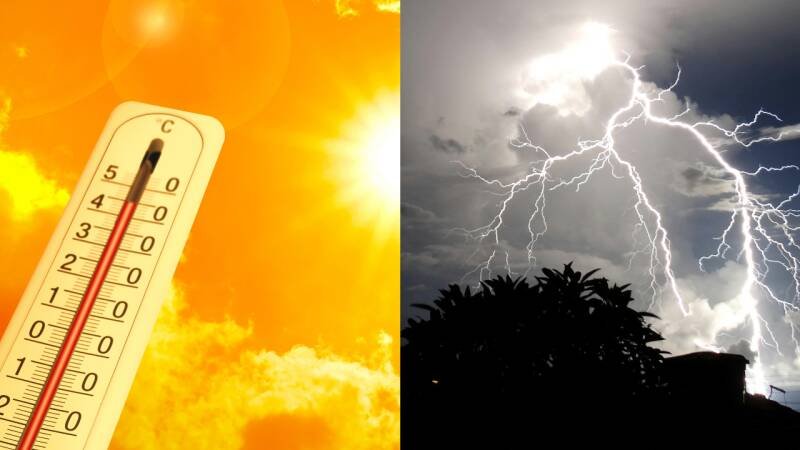
India is experiencing a stark contrast in weather patterns this week. While some regions are battling intense heatwaves, others are welcoming much-needed rainfall. This dramatic split presents unique challenges, demanding proactive measures to stay safe and healthy.
Heatwave Grips Central and Western India
Central and western India are currently under the grip of a severe heatwave. Temperatures are soaring, creating potentially dangerous conditions. Regions like Rajasthan, Gujarat, and parts of Maharashtra are experiencing the brunt of this intense heat.
The India Meteorological Department (IMD) has issued warnings, urging residents to take precautions. These include staying hydrated, avoiding strenuous activities during peak sun hours, and seeking shade whenever possible.
Western Disturbance Brings Relief to the North
In contrast, northern India is experiencing rainfall due to a western disturbance. This weather system, originating from the Mediterranean region, is bringing much-needed relief from the rising temperatures in states like Jammu and Kashmir, Himachal Pradesh, and Uttarakhand.
However, the rainfall is also accompanied by thunderstorms and strong winds in some areas, posing a risk of localized flooding and damage to property.
Why This News Matters
Understanding these contrasting weather patterns is crucial for several reasons:
- Health and Safety: Extreme heat can lead to heatstroke and dehydration, while heavy rainfall can cause flooding and landslides. Knowing the weather forecast allows you to take necessary precautions to protect yourself and your loved ones.
- Agriculture: Rainfall, while generally beneficial, can damage crops if it's too heavy or comes at the wrong time. Farmers need accurate weather information to manage their crops effectively.
- Infrastructure: Extreme weather events can strain infrastructure, leading to power outages, water shortages, and transportation disruptions.
How to Avoid Falling Sick
Regardless of whether you're facing heat or rain, taking preventive measures is key to staying healthy.
Combating Heatwave Conditions
- Hydrate Regularly: Drink plenty of water throughout the day, even if you don't feel thirsty.
- Avoid Peak Sun Hours: Stay indoors or in shaded areas between 11 am and 4 pm.
- Wear Light-Colored Clothing: Choose loose-fitting, light-colored clothing to help your body stay cool.
- Recognize the Signs of Heatstroke: Be aware of symptoms like headache, dizziness, nausea, and confusion. Seek immediate medical attention if you experience any of these.
Staying Safe During Rainy Weather
- Avoid Flooded Areas: Do not attempt to walk or drive through flooded areas.
- Stay Indoors During Thunderstorms: Seek shelter indoors during thunderstorms and avoid contact with electrical appliances.
- Be Aware of Landslide Risks: If you live in a hilly area, be aware of the risk of landslides and take necessary precautions.
Our Analysis
In our opinion, the increasing frequency of extreme weather events in India highlights the urgent need for climate action. These events are not isolated incidents but rather symptoms of a changing climate. Improved weather forecasting and early warning systems are crucial for mitigating the impact of these events.
Furthermore, public awareness campaigns are essential to educate people about the risks associated with extreme weather and how to protect themselves. Collaboration between government agencies, NGOs, and local communities is vital for effective disaster management.
Future Outlook
The IMD predicts that these contrasting weather patterns are likely to persist in the coming weeks. The heatwave in central and western India is expected to continue, while the western disturbance is expected to bring more rainfall to the north.
This could impact agricultural output, especially in areas affected by drought or excessive rainfall. Water resources may also be strained in heatwave-affected regions. It's crucial to monitor the situation closely and take proactive measures to mitigate the potential consequences.
Longer-term, India needs to invest in climate-resilient infrastructure and sustainable agricultural practices to adapt to the changing climate. This includes building stronger flood defenses, promoting water conservation, and developing drought-resistant crops.