Climate Change Denial Conference: Trump's EPA and the Spread of Misinformation
An inside look at a climate change denial conference featuring Trump's EPA chief, exploring the spread of misinformation and its potential impact on environmental policy.
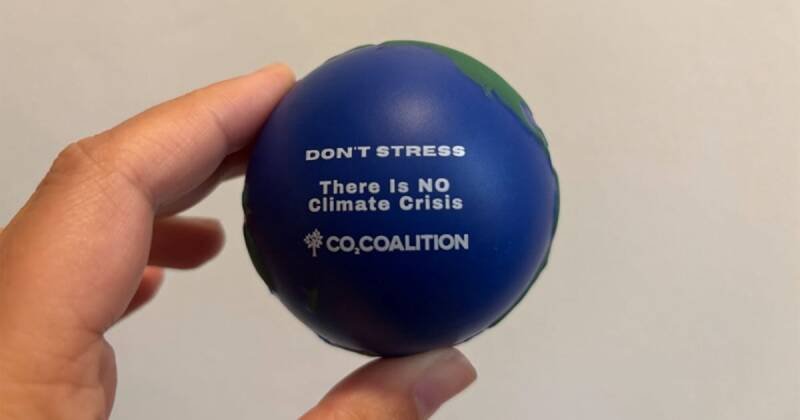



An inside look at a climate change denial conference featuring Trump's EPA chief, exploring the spread of misinformation and its potential impact on environmental policy.
A recent conference hosted by the Heartland Institute, a well-known think tank that disputes established climate science, has sparked controversy. The conference, attended by prominent figures, including a speaker from the Trump administration's EPA, served as a platform for promoting climate change denial.
The Heartland Institute has a long history of questioning the scientific consensus on climate change. They actively promote alternative theories and downplay the severity of global warming. Their conferences often bring together individuals and organizations that share similar views, providing a space for networking and the dissemination of their message.
The presence of a representative from the Environmental Protection Agency (EPA) at this conference raised eyebrows. The EPA, under the Trump administration, had already faced criticism for its stance on environmental issues, including its withdrawal from the Paris Agreement. The appearance at this conference signals a potential alignment with climate change denial, further fueling concerns about the direction of US environmental policy.
This news is significant because it highlights the ongoing battle between scientific consensus and political ideology. When government officials, particularly those in positions of environmental oversight, engage with climate change denial groups, it undermines the efforts of scientists and policymakers working to address the global crisis. This could lead to a weakening of environmental regulations and a slower transition to sustainable energy sources.
The spread of misinformation about climate change can have real-world consequences. It can influence public opinion, delay action, and ultimately exacerbate the effects of global warming. Accurate information and sound science are crucial for informed decision-making and effective climate action.
In our opinion, the presence of a Trump-era EPA representative at a climate change denial conference is deeply concerning. It suggests a disregard for scientific evidence and a willingness to prioritize political agendas over environmental protection. This can erode public trust in government institutions and hinder progress toward a sustainable future.
The Heartland Institute's role in promoting climate change denial should not be underestimated. By providing a platform for dissenting voices and actively challenging scientific consensus, they contribute to the confusion and inaction surrounding climate change. We believe that fact-checking and debunking these claims are essential to ensure that the public has access to accurate information.
The long-term impact of this alignment between the Trump EPA and climate change denial groups remains to be seen. However, the precedent set could have lasting consequences for US environmental policy. It will be crucial for future administrations to prioritize scientific integrity and re-establish the EPA's role as a champion for environmental protection. The future of environmental policy hinges on the ability of our leaders to recognize and address the threat of climate change.
This could impact the global effort to combat climate change. International cooperation is essential to achieving meaningful reductions in greenhouse gas emissions. When countries like the US waver in their commitment, it undermines the collective effort and makes it more difficult to reach global climate goals.