Wyoming Mule Deer Hunting: Controversy Over Antler Restrictions Explained
Wyoming hunters resist biologists' push to loosen antler restrictions for mule deer. Learn why this matters, the potential impacts, and the future outlook for mule deer management.
Wyoming Mule Deer Hunting: Hunters Resist Relaxing Antler Restrictions
A debate is brewing in Wyoming over the future of mule deer hunting regulations. The Wyoming Game and Fish Department is considering easing restrictions on antler size for hunters in two of the state's prime mule deer hunting areas in northwestern Wyoming. However, a vocal contingent of hunters are pushing back, raising concerns about the potential impact on the deer population.
The Proposal: Longer Seasons and Fewer Antler Restrictions
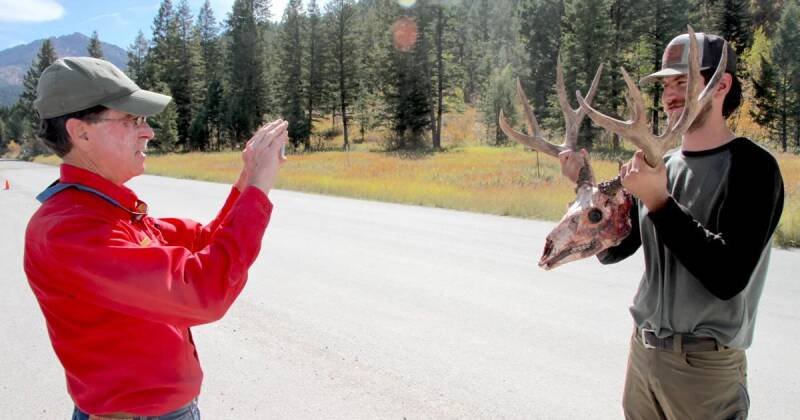
The proposed changes would extend the hunting season and remove the requirement that bucks must have antlers of a certain size (typically four points or more) before they can be harvested. Biologists argue that these restrictions, initially put in place to protect young bucks, are no longer necessary. They cite data suggesting that the mule deer populations in these areas are healthy enough to sustain a less restrictive hunting approach.
The department believes that the existing antler restrictions limit opportunities for hunters and create unnecessary complications in the field. Removing these restrictions, they say, will simplify the hunting process and potentially increase hunter satisfaction.
Hunter Resistance: Concerns About Overharvesting
Despite the biologists' assurances, many hunters are wary of the proposed changes. Their primary concern is that lifting the antler restrictions will lead to overharvesting, particularly of younger bucks. They fear that allowing hunters to take smaller bucks will negatively impact the overall age structure of the deer population and potentially reduce the number of trophy-quality animals available in the future.
Many hunters have voiced their opposition through public comments, arguing that the current regulations have been successful in maintaining healthy deer populations and that altering them risks undoing that progress. They emphasize the importance of preserving the opportunity to hunt mature, trophy-class bucks.
Why This News Matters
This situation highlights a common tension in wildlife management: balancing the interests of hunters with the scientific recommendations of biologists. The debate over antler restrictions is not unique to Wyoming and reflects broader discussions about how to best manage wildlife populations in the face of changing environmental conditions and increasing hunting pressure.
The decisions made regarding these mule deer populations will have a ripple effect, impacting not only the hunting community but also the local ecosystems and economies that depend on healthy wildlife populations.
Our Analysis
In our opinion, the Wyoming Game and Fish Department is likely acting in good faith, basing their recommendations on scientific data and a desire to improve hunter satisfaction. However, the concerns raised by hunters are also valid and deserve careful consideration. The department needs to clearly and transparently communicate the data supporting their proposals and address the specific concerns raised by the hunting community.
It's crucial to remember that wildlife management is not an exact science. There are inherent uncertainties, and it's essential to take a cautious and adaptive approach. Lifting antler restrictions could lead to unforeseen consequences, and the department must be prepared to adjust their management strategy if necessary.
The Role of Data and Transparency
The key to resolving this conflict lies in data and transparency. The Wyoming Game and Fish Department needs to provide compelling evidence that the mule deer populations are indeed healthy enough to withstand a less restrictive hunting approach. This data should include detailed information on population size, age structure, and harvest rates. Furthermore, the department should clearly explain how they will monitor the impact of any changes and be prepared to adjust their management strategy if necessary.
Future Outlook
The future of mule deer hunting in Wyoming will likely depend on the outcome of this debate. If the antler restrictions are lifted, it will be crucial to closely monitor the deer populations and adapt management strategies as needed. It is possible that there will be increased hunting opportunities and hunter satisfaction, but there is also a risk of overharvesting and a decline in the quality of the hunt.
Conversely, if the antler restrictions are maintained, hunting opportunities may remain limited, but the risk of overharvesting will be reduced. The challenge will be to balance the interests of hunters with the need to protect the mule deer populations for future generations.
This situation serves as a reminder that wildlife management is a complex and ongoing process that requires careful consideration of all stakeholders and a commitment to data-driven decision-making. This could impact how other states approach similar situations.