11-Year-Old's Cochlear Implant: A Life-Changing Moment and the Future of Hearing Loss Treatment
An 11-year-old hears clearly for the first time after a cochlear implant. Explore the science, impact, and future of this groundbreaking technology.



An 11-year-old hears clearly for the first time after a cochlear implant. Explore the science, impact, and future of this groundbreaking technology.
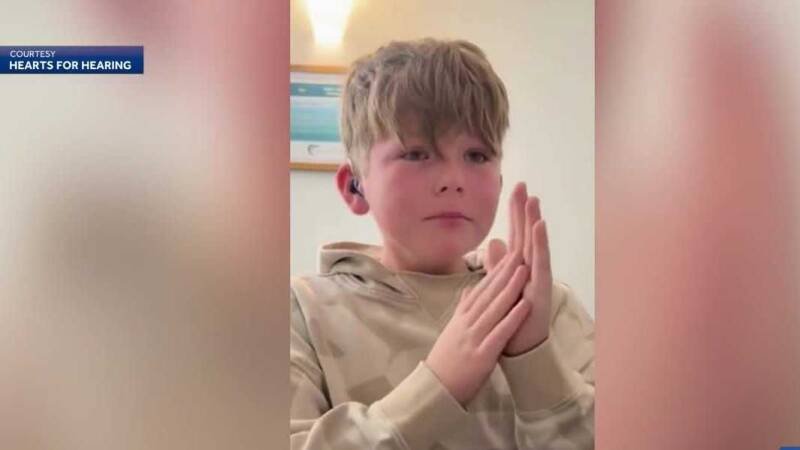
The internet is buzzing with the heartwarming story of Ryder Boen, an 11-year-old from Oklahoma. Ryder, who has struggled with hearing loss, recently received a cochlear implant from Hearts for Hearing. The moment the device was activated, Ryder heard clearly for the very first time. His emotional reaction, captured on video, has gone viral, touching hearts worldwide.
The video shows Ryder's face lighting up as sounds he had never experienced before flood his senses. It's a powerful reminder of the impact technology can have on improving lives, and particularly, the profound difference it can make for children with hearing impairments.
A cochlear implant is a small electronic device that's surgically implanted in the inner ear. Unlike hearing aids, which amplify sound, cochlear implants bypass damaged portions of the ear and directly stimulate the auditory nerve. This allows individuals with severe to profound hearing loss to perceive sounds.
The device has two main parts: an external portion that sits behind the ear and an internal portion that is surgically placed under the skin. The external part contains a microphone, a speech processor, and a transmitter. The internal part contains a receiver/stimulator and an electrode array that is placed in the cochlea (the inner ear).
Ryder's story is more than just a feel-good moment. It highlights the advancements in medical technology and the potential to drastically improve the quality of life for individuals with hearing loss. It also raises awareness about hearing loss in children and the importance of early intervention.
Untreated hearing loss can have significant developmental consequences, affecting speech, language, and social skills. Early diagnosis and treatment, including cochlear implants when appropriate, can help children like Ryder reach their full potential.
In our opinion, Ryder's story emphasizes the critical role that organizations like Hearts for Hearing play. Their work goes beyond simply providing the device; it includes pre- and post-operative care, speech therapy, and ongoing support to ensure the implant is effective. The holistic approach is key to the long-term success of cochlear implantation.
Furthermore, the viral nature of the video demonstrates the power of visual storytelling to raise awareness about often-overlooked medical conditions. It humanizes the experience of hearing loss and encourages empathy and understanding.
It's easy to get caught up in the technology, but we must remember the emotional journey these children and their families go through. Hearing loss can be isolating and frustrating. Ryder's tearful joy showcases the liberation and connection a cochlear implant can provide.
The future of cochlear implant technology is bright. Research is ongoing to develop smaller, more efficient implants with improved sound quality and functionality. Scientists are also exploring gene therapies and other innovative approaches to restore hearing.
This could impact the lives of countless individuals currently living with severe hearing loss. Moreover, as technology advances, cochlear implants could potentially be used to treat milder forms of hearing loss, further expanding their reach.
Continued research and development are crucial to improving cochlear implant technology. We anticipate further advancements in areas such as battery life, noise reduction, and wireless connectivity, leading to a more seamless and user-friendly experience for recipients.
The story of Ryder Boen serves as an inspiration and a reminder that with the right technology and support, individuals with hearing loss can overcome challenges and live full and rewarding lives. It's a testament to the power of innovation and the importance of compassion in healthcare.







![Karapadi Health Camp: A Lifeline After Months of Need | [Your Publication Name]](https://www.globalnewstoday.live/uploads/news/news_1777234516_Lb87XY.jpg)