Pollinators and Prairie Plants: Iowa State Research Reveals Biodiversity Link
New Iowa State University research shows a vital link between pollinators and plant biodiversity. Learn about the potential consequences and what it means for conservation.
Iowa State Research Highlights Critical Link Between Pollinators and Plant Biodiversity
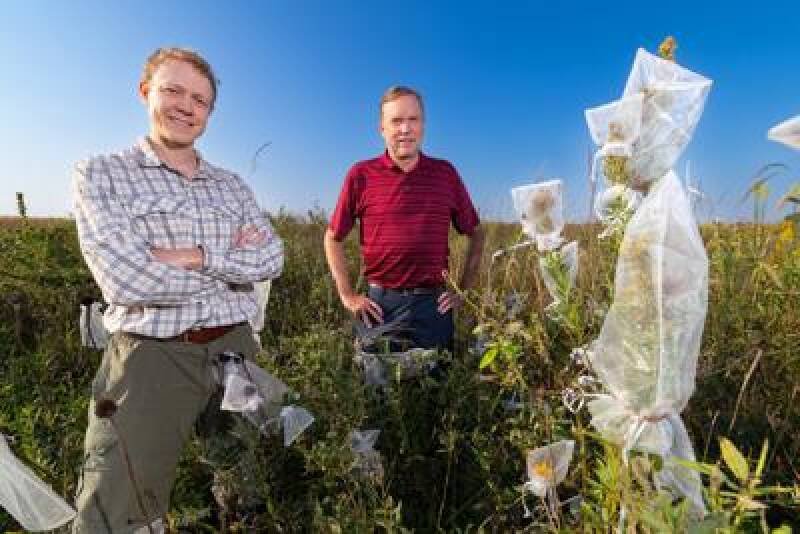
New research from Iowa State University (ISU) has revealed a crucial connection between pollinators and the diversity of plants in prairie ecosystems. The study demonstrates a direct, causal relationship, meaning that a decline in pollinators can directly lead to a decrease in plant biodiversity, and vice-versa. This finding underscores the importance of protecting pollinator populations to maintain healthy and diverse ecosystems.
The Study's Focus
Researchers at ISU investigated how changes in pollinator populations affect the diversity of plant species in prairie environments. Prairie ecosystems are complex webs of life, where plants and animals depend on each other for survival. Pollinators, such as bees, butterflies, and other insects, play a vital role in plant reproduction by transferring pollen from one flower to another. This process is essential for seed production and the continuation of plant species.
The ISU study provided evidence that a decline in pollinators can set off a chain reaction, leading to reduced plant diversity. When fewer pollinators are available, fewer plants are effectively pollinated. This results in lower seed production and potentially the loss of plant species, particularly those that rely heavily on specific pollinators. The researchers warned of a potential "plant-pollinator extinction vortex." This vortex is a scenario where the decline of one group (pollinators or plants) accelerates the decline of the other, leading to a rapid loss of biodiversity.
Why This News Matters
This research is significant because it highlights the interconnectedness of ecosystems and the importance of preserving biodiversity. The findings emphasize that the decline of pollinator populations is not just an environmental issue but also a threat to the stability and health of our natural world. The research serves as a wake-up call for conservation efforts and policy decisions aimed at protecting pollinators and their habitats.
Furthermore, the potential for a "plant-pollinator extinction vortex" is a particularly alarming prospect. It suggests that the consequences of pollinator decline could be far more severe than previously imagined, with cascading effects on plant communities and ecosystem functions. We must act now to understand and prevent this potential collapse.
Our Analysis
In our opinion, this research provides strong evidence for the need to prioritize pollinator conservation. While the study focuses on prairie ecosystems, the findings are likely applicable to other environments where pollinators play a critical role in plant reproduction. The results highlight the urgency of addressing the factors contributing to pollinator decline, such as habitat loss, pesticide use, and climate change.
The concept of a "plant-pollinator extinction vortex" is a powerful reminder of the fragility of ecosystems. It underscores the importance of taking a holistic approach to conservation, considering the complex interactions between different species and the potential for cascading effects. We believe that future research should focus on identifying the specific factors driving pollinator decline in different regions and developing targeted conservation strategies to address these threats.
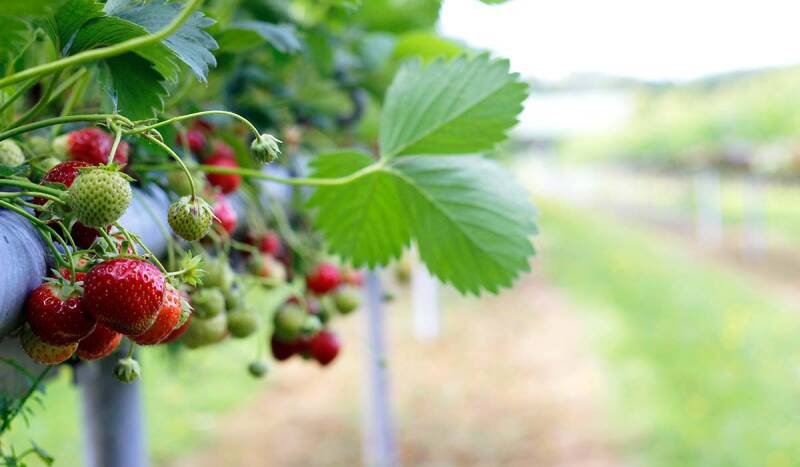
This could impact agriculture. Many crops rely on pollinators. A decrease in pollinators could impact crop yield and diversity and ultimately increase food prices.
Future Outlook
The future outlook for pollinator conservation depends on our collective actions. Increased awareness, research, and policy changes are needed to protect pollinator populations and maintain healthy ecosystems. Key areas of focus include:
- Habitat Restoration: Restoring and protecting pollinator habitats, such as prairies and meadows, is crucial for providing food and shelter for pollinators.
- Pesticide Reduction: Reducing the use of harmful pesticides that can negatively impact pollinator health is essential.
- Climate Change Mitigation: Addressing climate change, which can disrupt pollinator-plant interactions and alter habitats, is critical for long-term conservation.
- Public Education: Educating the public about the importance of pollinators and the actions they can take to support them is vital.
In conclusion, the Iowa State University research serves as a vital reminder of the crucial role pollinators play in maintaining plant biodiversity and healthy ecosystems. By taking proactive steps to protect pollinators and their habitats, we can help prevent a potential "plant-pollinator extinction vortex" and ensure the long-term health of our planet.