11-Year-Old's Cochlear Implant: A Life-Changing Moment and What It Means
An 11-year-old boy hears for the first time after a cochlear implant, sparking a viral moment. Explore the technology, impact, and future of hearing loss solutions.



An 11-year-old boy hears for the first time after a cochlear implant, sparking a viral moment. Explore the technology, impact, and future of hearing loss solutions.
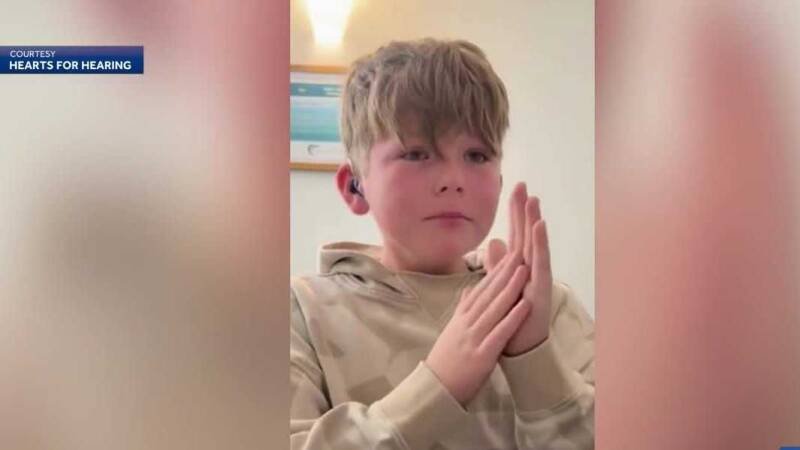
In a heartwarming story that's capturing hearts worldwide, Ryder Boen, an 11-year-old from Oklahoma, has experienced the world of sound for the first time. This incredible moment was made possible thanks to a cochlear implant provided by the non-profit organization, Hearts for Hearing. Ryder's emotional reaction to hearing clearly has gone viral, highlighting the profound impact of this technology.
Imagine living in a world of muffled sounds or complete silence. That was Ryder's reality until recently. Cochlear implants offer a lifeline to individuals with severe hearing loss who don't benefit from traditional hearing aids.
A cochlear implant is a small, complex electronic device that can help provide a sense of sound to a person who is profoundly deaf or severely hard-of-hearing. Unlike hearing aids, which amplify sound, a cochlear implant bypasses damaged portions of the ear to directly stimulate the auditory nerve. This sends electrical signals to the brain, which interprets them as sound.
The implant consists of two main parts: an external sound processor that sits behind the ear and an internal part that is surgically implanted under the skin.
Hearts for Hearing, the organization that facilitated Ryder's implant, focuses on providing comprehensive hearing healthcare services, including cochlear implants, to children and adults.
This story is more than just a feel-good moment; it shines a light on the critical issue of hearing loss and the transformative potential of medical technology. Here's why Ryder's experience resonates:
The viral nature of Ryder's video speaks volumes about the emotional impact of hearing loss and the power of technology to overcome it. In our opinion, this story humanizes the scientific advances and reminds us that behind every medical breakthrough are real people with real lives that are being profoundly changed.
The fact that an 11-year-old has only just experienced clear hearing is also a stark reminder that access to these technologies is not universal. The cost of cochlear implants and the associated therapies can be prohibitive, highlighting the importance of insurance coverage, government funding, and charitable organizations like Hearts for Hearing.
This could impact Ryder's life in many ways. For example, hearing clearly will significantly impact his education, enabling him to participate fully in classroom activities and learn alongside his peers. It will also foster his social and emotional development, allowing him to connect with others on a deeper level through conversation and shared experiences.
The future of hearing loss treatment looks promising, with ongoing research and development leading to more advanced and effective technologies. We can expect to see improvements in:
In our opinion, the story of Ryder Boen serves as a beacon of hope and a call to action. It reminds us that by investing in research, supporting charitable organizations, and advocating for greater accessibility, we can create a world where everyone has the opportunity to experience the joy of sound.







![Karapadi Health Camp: A Lifeline After Months of Need | [Your Publication Name]](https://www.globalnewstoday.live/uploads/news/news_1777234516_Lb87XY.jpg)