April Lyrids Meteor Shower: How to Watch and Why It Matters
The April Lyrids meteor shower, one of Earth's oldest, peaks this week. Learn how to watch, why it matters, and what's next for meteor observation.



The April Lyrids meteor shower, one of Earth's oldest, peaks this week. Learn how to watch, why it matters, and what's next for meteor observation.
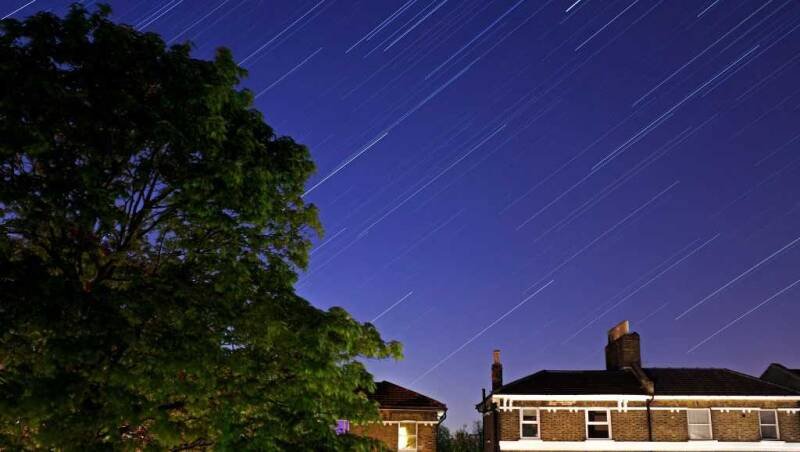
Get ready to look up! The April Lyrids meteor shower, known as one of the oldest observed meteor showers in our solar system, is peaking this week. If you're lucky enough to have clear skies and minimal light pollution, you might witness a dazzling display of shooting stars.
The Lyrids are caused by debris from Comet C/1861 G1 Thatcher. As Earth orbits the Sun, it passes through this trail of cosmic dust and ice left behind by the comet. When these tiny particles enter Earth's atmosphere at high speed, they burn up, creating the bright streaks of light we call meteors.
The name "Lyrids" comes from the constellation Lyra, specifically the bright star Vega. While the meteors can appear anywhere in the sky, they seem to originate from a point (called the radiant) near Vega.
The best time to view the Lyrids is during the darkest hours, typically after midnight and before dawn. Find a location away from city lights, give your eyes about 20-30 minutes to adjust to the darkness, and simply look up! No special equipment is needed, although a reclining chair or blanket can make the viewing experience more comfortable.
At its peak, you can expect to see around 10 to 15 meteors per hour. While this isn't as spectacular as some of the more prolific showers like the Perseids, the Lyrids are still a rewarding sight.
Meteor showers provide a tangible connection to our solar system's history and the processes that shaped it. Observing the Lyrids allows us to witness the remnants of a comet that last visited our inner solar system in 1861. This event reminds us of the constant interplay between Earth and the objects that share our cosmic neighborhood.
Furthermore, studying meteor showers helps scientists understand the composition and distribution of cometary debris, providing valuable insights into the early solar system. Plus, it's just plain cool to see shooting stars!
While the predicted rate of 10-15 meteors per hour is modest, the Lyrids are worth observing, especially for those new to stargazing. The shower's ancient origins add an extra layer of intrigue. In our opinion, even seeing a few Lyrids is a rewarding experience, connecting us to the vastness of space and the history of our solar system.
Light pollution remains a significant challenge for meteor viewing. The increasing prevalence of artificial light diminishes our ability to see faint meteors. Supporting efforts to reduce light pollution is crucial for preserving our ability to enjoy these natural wonders.
This could impact amateur astronomers who may have to travel further to darker sky locations to get a good viewing experience. On the other hand, it could prompt more people to advocate for better regulations on light pollution.
Scientists continue to study comets and their debris trails to better predict future meteor shower activity. More accurate models will help us understand the dynamics of these celestial events and potentially forecast more intense displays.
Future missions to comets, like the Rosetta mission to Comet 67P/Churyumov–Gerasimenko, provide valuable data that helps us understand the composition and behavior of these icy bodies. This knowledge will, in turn, improve our understanding of meteor showers.
Furthermore, as technology advances, we can expect more sophisticated methods for observing meteors, including automated detection systems and more sensitive cameras. These tools will allow us to study even the faintest meteors and gain a deeper understanding of the dynamics of meteor showers. The future of meteor observation looks bright, offering exciting opportunities for both professional and amateur astronomers alike. The Lyrids will continue to grace our skies annually, offering a recurring opportunity to witness this ancient celestial display.