Trans-Canada Highway Rogers Pass Flooding: Travel Advisories and Road Closures
Rogers Pass on the Trans-Canada Highway is experiencing flooding and washouts. Learn about speed reductions, road closures, and travel advisories. Get our analysis and future outlook.
Trans-Canada Highway Flooding at Rogers Pass: Travel Disruptions and Safety Concerns
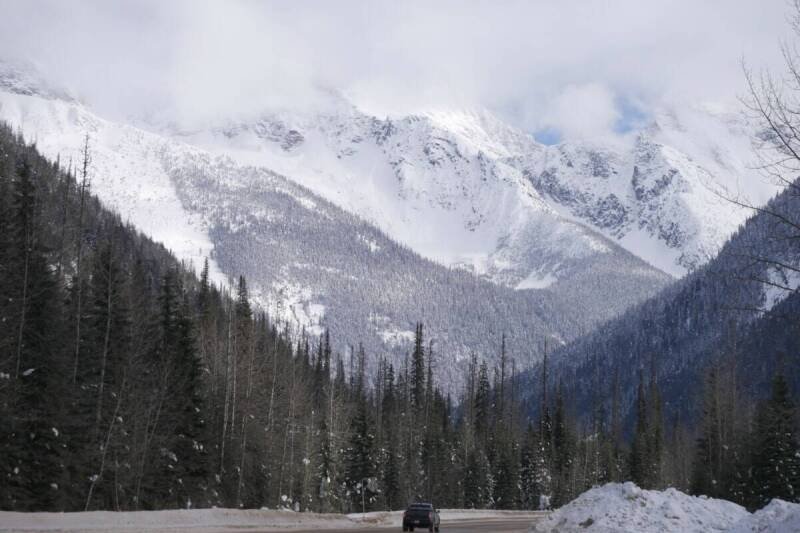
The Trans-Canada Highway through Rogers Pass in British Columbia is currently facing significant challenges due to flooding and a washout, leading to travel advisories and road closures. Recent heavy snowmelt has overwhelmed drainage systems, causing water to pool on the highway and erode sections of the roadbed.
Speed Reductions and Lane Closures
To ensure public safety, speed reductions are in effect in the affected areas. Drivers are urged to exercise extreme caution and be prepared for potential delays. Specifically, one westbound lane has been closed due to erosion related to spring runoff. These closures are likely to remain in place while crews assess the damage and undertake necessary repairs.
Impact of Snowmelt
The unusually rapid snowmelt, triggered by rising temperatures, is the primary cause of the flooding. This is a common occurrence in mountainous regions during the spring months, but the severity this year appears to be amplified, possibly due to heavier than normal snowpack.
Why This News Matters
This situation has several implications:
- Travel Delays: Drivers planning to travel the Trans-Canada Highway through Rogers Pass should anticipate delays and factor extra time into their journeys.
- Economic Impact: Disruptions to the Trans-Canada Highway, a vital transportation corridor, can impact the movement of goods and services, potentially affecting businesses and supply chains.
- Safety Concerns: Flooding and washouts create hazardous driving conditions, increasing the risk of accidents.
- Infrastructure Vulnerability: This event highlights the vulnerability of infrastructure to extreme weather events, particularly in mountainous regions.
Our Analysis
In our opinion, the current situation at Rogers Pass underscores the growing need for proactive infrastructure management and climate resilience strategies. Simply reacting to events is no longer sufficient. Investing in improved drainage systems, slope stabilization measures, and enhanced monitoring systems is crucial to mitigating the risks associated with increased snowmelt and extreme weather. The frequency and intensity of these events are likely to increase with climate change, making preparedness essential.
Furthermore, effective communication with the public is paramount. Real-time updates on road conditions, closures, and alternative routes are essential for travelers to make informed decisions and avoid dangerous situations. Utilizing social media and highway information services is vital.
Future Outlook
The immediate future depends heavily on weather conditions. If temperatures remain high and snowmelt continues at its current pace, further flooding and road closures are possible. The long-term outlook necessitates a comprehensive approach to infrastructure planning and climate adaptation.
This could impact future infrastructure projects. For example:
- Increased funding for infrastructure upgrades designed to withstand extreme weather events.
- More stringent building codes and environmental regulations in mountainous regions.
- Greater emphasis on early warning systems and disaster preparedness planning.
In the long term, failing to address these issues could lead to increased economic losses, travel disruptions, and safety risks for anyone who travels through Rogers Pass. Proactive measures are crucial to ensure the long-term viability and safety of this vital transportation corridor.