Recycling Mistakes: Why Your Pizza Boxes and Coffee Cups Aren't Getting Recycled
A bin man reveals common recycling mistakes that are contaminating the recycling process, including pizza boxes and coffee cups. Learn how to recycle properly and why it matters.
Recycling Nightmares: Your Bin Man Reveals What You're Doing Wrong
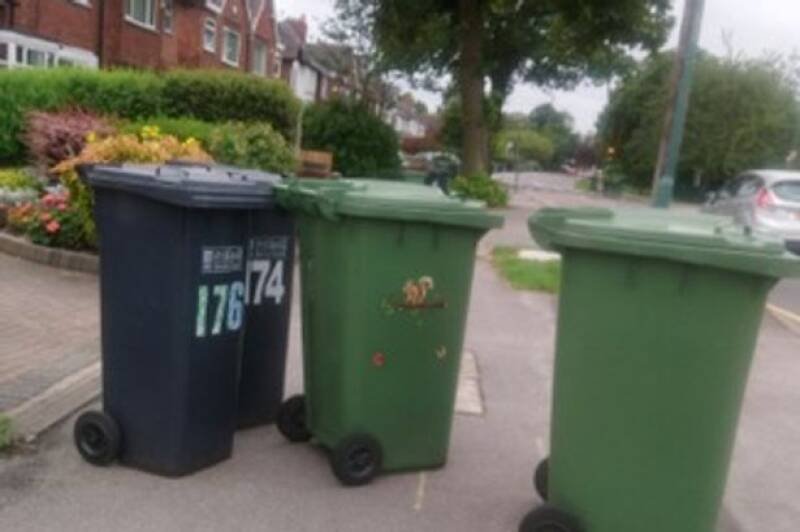
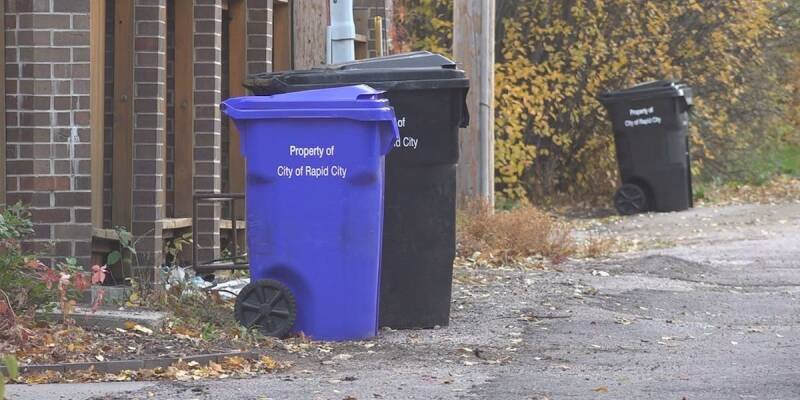
Ever wonder why your recycling efforts sometimes feel pointless? A bin man is speaking out, shedding light on common household recycling mistakes that are actually hindering the process. According to a recent TikTok post, one of the biggest culprits is something many of us routinely toss into the blue bin: pizza boxes.
The Pizza Box Problem
Yes, that greasy, cheesy cardboard container is causing more harm than good. While cardboard is generally recyclable, pizza boxes often contain food residue and grease. These contaminants make the entire batch of recycling less valuable, and in some cases, render it completely unusable.
Coffee Cups: Another Recycling Roadblock
Another item frequently misplaced in recycling bins is the disposable coffee cup. While the cardboard exterior *might* seem recyclable, the plastic lining inside is not. This lining prevents the paper from breaking down properly during the recycling process. Many recycling facilities simply aren't equipped to separate these materials effectively.
Why This News Matters
This isn't just about a bin man venting his frustrations. It's about the effectiveness of our entire recycling system. Contaminated recycling leads to several negative consequences:
- Lower quality recycled materials: The end product is weaker and less valuable, reducing demand for recycled goods.
- Increased landfill waste: When recycling batches are contaminated, they often end up in landfills, defeating the purpose of recycling.
- Higher recycling costs: Sorting and cleaning contaminated materials increases the cost of recycling programs, potentially leading to higher taxes or reduced services.
- Environmental Impact: Less recycling equals greater environmental harm. We need to recycle properly to protect our planet.
Our Analysis
The bin man's message highlights a critical gap between public perception and the realities of recycling. Many people believe they are doing the right thing by tossing items into the recycling bin, without fully understanding the requirements for clean recycling. This calls for better public education campaigns that clearly explain what can and cannot be recycled and why. In our opinion, local councils need to improve clarity in their guidance to residents.
The issue also underscores the limitations of current recycling infrastructure. While some facilities are equipped to handle certain contaminants, many are not. Investing in more advanced technology could help improve the efficiency and effectiveness of recycling programs.
Future Outlook
This situation presents both challenges and opportunities. Looking ahead, several changes are needed to improve recycling rates and reduce contamination:
- Improved public education: Clear and consistent messaging about what can and cannot be recycled, and why it matters.
- Enhanced recycling infrastructure: Investment in advanced sorting and processing technologies.
- Producer responsibility: Requiring manufacturers to design products that are easily recyclable and to take responsibility for the end-of-life management of their products.
- Consumer awareness: Increased consumer awareness of proper recycling practices and the impact of their choices.
What Can YOU Do?
So, what can you do to make a difference? Start by taking a closer look at your local recycling guidelines. Rinse out food containers, and when in doubt, throw it out. Small steps can make a big difference in ensuring that your recycling efforts actually contribute to a more sustainable future.
This could impact the economy. Efficient recycling creates economic activity, jobs and reduces the need for raw materials, which benefits both consumers and the environment. By following the advice of the bin man, we can collectively improve our recycling practices and create a more sustainable future for everyone.
Think about scraping off that pizza box, or enjoying your coffee at home!