Cariboo Fire Ban: What You Need to Know (2024)
A Category 2 and 3 fire ban is in effect across the Cariboo Fire Centre. Learn what this means for you, why it matters, and what to expect.
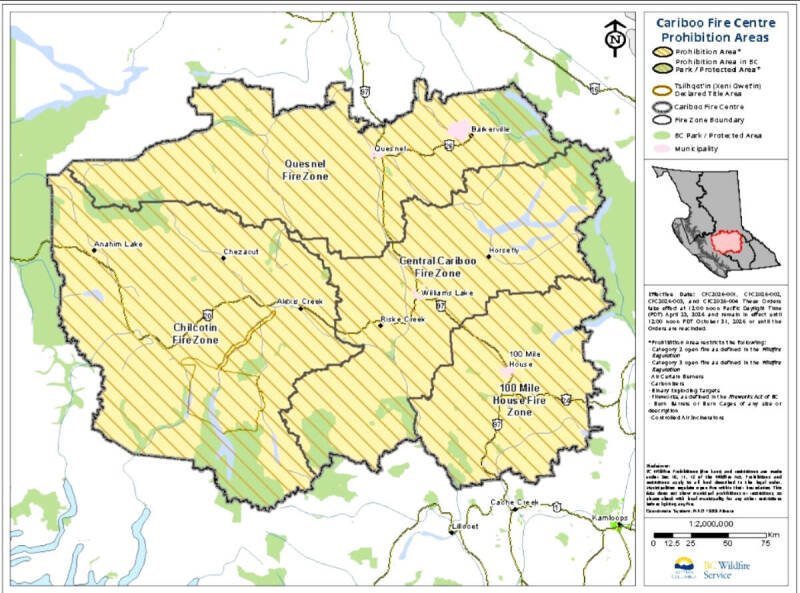



A Category 2 and 3 fire ban is in effect across the Cariboo Fire Centre. Learn what this means for you, why it matters, and what to expect.
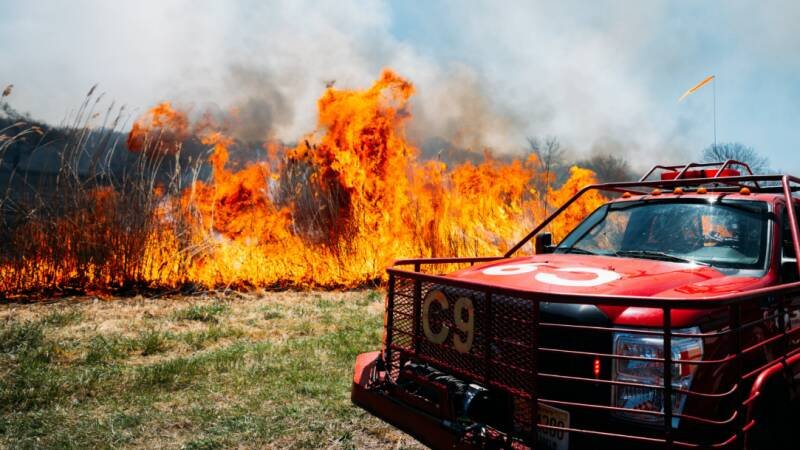
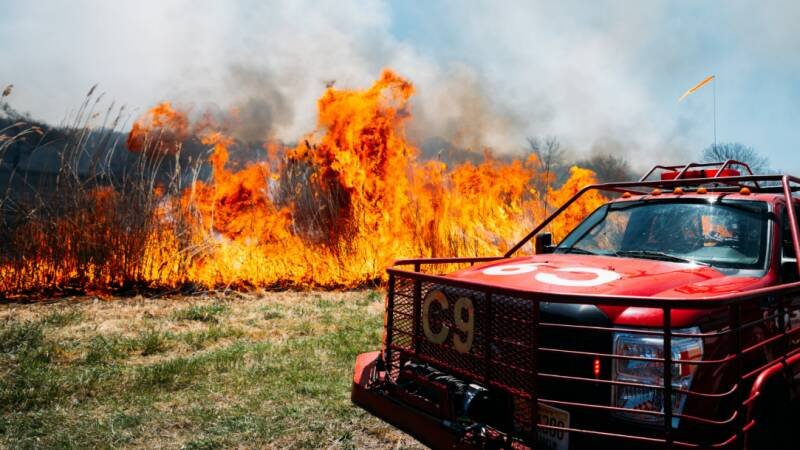
Starting Thursday, April 23rd, a Category 2 and Category 3 open fire prohibition has been put in place across the Cariboo Fire Centre region in British Columbia. This ban will remain in effect until October 31st, aiming to reduce the risk of wildfires during the dry season.
This isn't just a suggestion; it's a serious restriction designed to protect our forests and communities. Let's break down what Category 2 and 3 fire bans mean:
Essentially, this ban prohibits most large-scale outdoor burning activities. Smaller campfires *may* still be permitted in some areas (depending on local regulations and conditions – always check with your local authorities first!). It’s crucial to understand the specific regulations in your area, which you can find on the BC Wildfire Service website.
Wildfires are a significant threat to British Columbia. They can destroy homes, disrupt livelihoods, and impact air quality. This fire ban is a proactive measure to mitigate the risk of human-caused wildfires, which are a leading cause of these devastating events.
By restricting larger open fires during the driest months, the Cariboo Fire Centre hopes to significantly reduce the number of preventable wildfires. This protects not just the environment, but also the economy and the health of residents.
In our opinion, this fire ban is a necessary step to protect the Cariboo region. The timing is appropriate, given the increasingly dry conditions and the historical trend of wildfires starting in the spring. A proactive measure like this is always preferable to a reactive one.
However, the success of this ban depends heavily on public compliance and enforcement. Clear communication from the BC Wildfire Service and local authorities is essential to ensure everyone understands the regulations and the reasons behind them. Furthermore, adequate resources need to be allocated for monitoring and enforcing the ban.
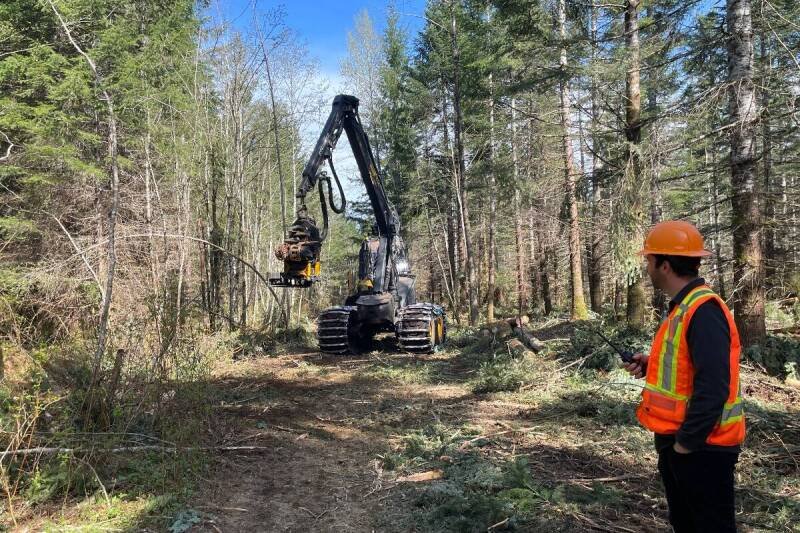
This could impact local industries that rely on open burning, such as forestry. They will need to adapt their operations or postpone certain activities until the fire ban is lifted. It will also change how some people manage their land, leading to alternative methods for clearing debris.
The severity and duration of future fire bans will likely depend on weather patterns and climate change. With increasingly warmer and drier summers, we can expect more frequent and prolonged fire bans across British Columbia. The government and individuals must focus on long-term fire prevention strategies, including forest management, public education, and responsible land use.
Looking ahead, we anticipate that the BC Wildfire Service will continue to refine its fire management strategies, incorporating data-driven approaches and advanced technologies to predict and suppress wildfires more effectively. We also believe that community involvement will be crucial in building resilience to wildfires and protecting our forests for future generations.
Stay informed, be responsible, and help protect our communities and environment. Always check local fire regulations before engaging in any outdoor burning activities.