Lyrid Meteor Shower 2026: A Guide to Seeing Shooting Stars
Get ready for the Lyrid meteor shower peak in April 2026! Learn when, where, and how to see these stunning shooting stars. Plus, our expert analysis of what makes this event special.



Get ready for the Lyrid meteor shower peak in April 2026! Learn when, where, and how to see these stunning shooting stars. Plus, our expert analysis of what makes this event special.
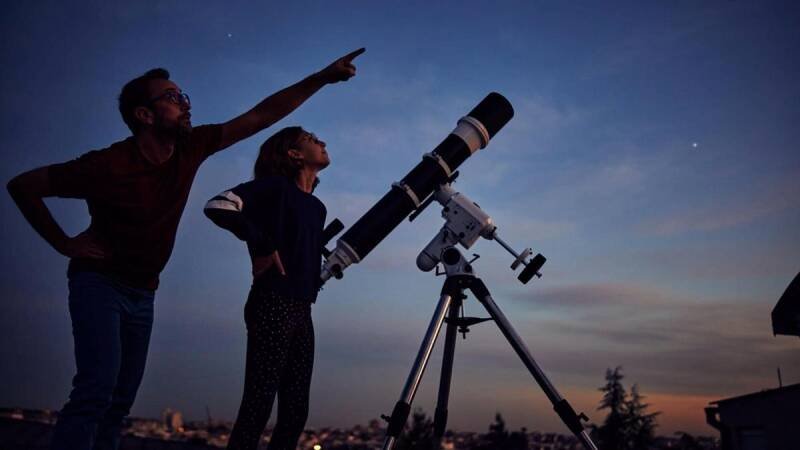
Mark your calendars, stargazers! On the night of April 21-22, 2026, the annual Lyrid meteor shower will reach its peak. This means you'll have the best chance to see several "shooting stars" streaking across the night sky. It's a fantastic opportunity to witness a beautiful natural phenomenon without needing any special equipment.
Meteor showers happen when the Earth passes through a stream of debris left behind by a comet. In the case of the Lyrids, this debris comes from Comet C/1861 G1 Thatcher. As tiny pieces of this comet enter Earth's atmosphere, they burn up, creating the bright streaks of light we see as meteors.
The peak of the Lyrid meteor shower in 2026 is expected to be on the night of April 21st and the early morning hours of April 22nd. The best time to view the shower is usually after midnight, when the radiant point (the area in the sky from which the meteors appear to originate) is higher in the sky. The radiant point for the Lyrids is in the constellation Lyra, near the bright star Vega.
Don't worry too much about finding Lyra specifically. Meteors can appear anywhere in the sky, but they will all seem to trace back to the radiant point in Lyra. Find a dark spot away from city lights, give your eyes time to adjust to the darkness (about 20-30 minutes), and look up! No telescopes or binoculars are needed – just your eyes.
For the best viewing experience, find a location with minimal light pollution. Get away from city lights and street lamps. Rural areas are ideal, but even a park on the outskirts of a town can offer a better view than the heart of a city.
Meteor showers offer a connection to the cosmos, a reminder of the vastness of space and our place within it. They are easily accessible astronomical events that anyone can enjoy. They also provide a valuable opportunity for science enthusiasts and researchers to study cometary debris and the dynamics of our solar system.
This event is also a great way to foster interest in science and astronomy, especially among children. It's a chance to encourage curiosity and exploration of the natural world.
The Lyrid meteor shower is known for producing bright, fast meteors. While not as prolific as some other meteor showers like the Perseids, the Lyrids can still put on a good show, especially under dark skies. In our opinion, it's definitely worth making an effort to see them.
One important factor to consider is the phase of the moon. A bright moon can wash out fainter meteors, making them harder to see. Fortunately, we will need to check the moon phase closer to the date in 2026. If the moon is new or in a crescent phase, the viewing conditions will be much better. However, a full or gibbous moon could significantly reduce the number of meteors visible.
The predicted peak time is also just a prediction. Meteor shower activity can vary, and sometimes the peak occurs a bit earlier or later than expected. Therefore, it's a good idea to observe the night before and after the predicted peak to maximize your chances of seeing the most meteors. This could impact how you plan your stargazing session.
While the Lyrid meteor shower is an annual event, its intensity can vary from year to year. The overall trend is relatively stable, but occasional outbursts of activity have been observed. The next major outburst is not predicted for several decades, so we can expect the 2026 Lyrid shower to be a fairly typical event.
Keep an eye on astronomy websites and social media closer to the date for the most accurate predictions and viewing tips. Also, research other upcoming meteor showers throughout the year, such as the Perseids in August and the Geminids in December, to continue your stargazing adventures.
In conclusion, the Lyrid meteor shower in April 2026 presents a wonderful opportunity to witness a beautiful celestial event. With a little planning and some clear skies, you can enjoy a memorable night of stargazing. We encourage everyone to take advantage of this chance to connect with the cosmos.