Florida Pollen Alert: Understanding Spring Allergies and Impacts
Explore why Florida suffers from intense spring pollen and its effect on allergies. Learn about allergy hotspots and tips for managing pollen season.



Explore why Florida suffers from intense spring pollen and its effect on allergies. Learn about allergy hotspots and tips for managing pollen season.
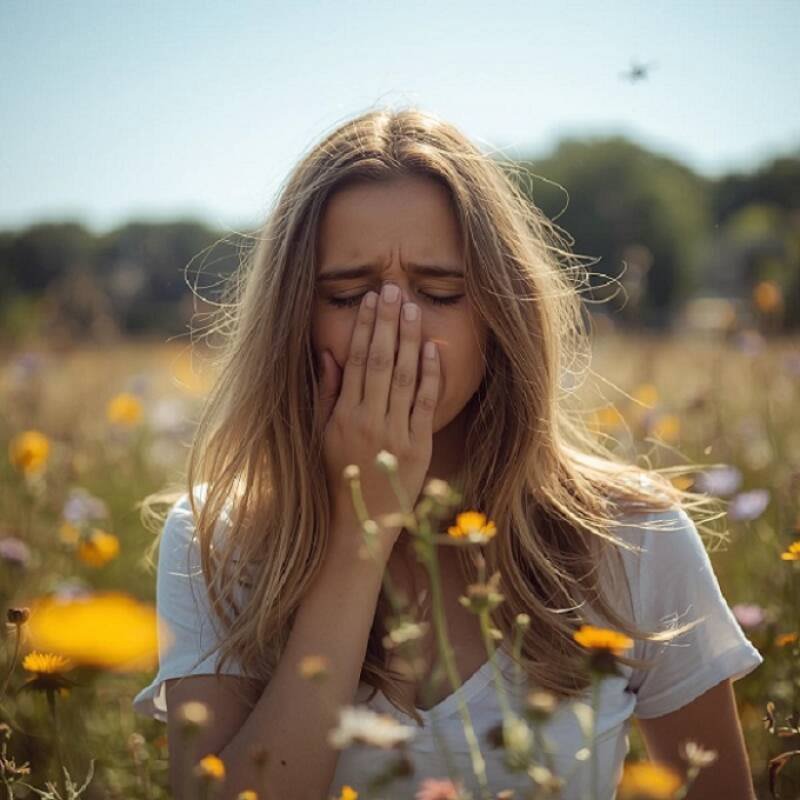
Spring is a beautiful time of year, but for many, especially in places like Southwest Florida, it's also the start of a long and itchy battle against pollen. That yellowish-green dust you see coating everything from your car to your patio furniture? That's pollen, and it's the bane of many allergy sufferers' existence.
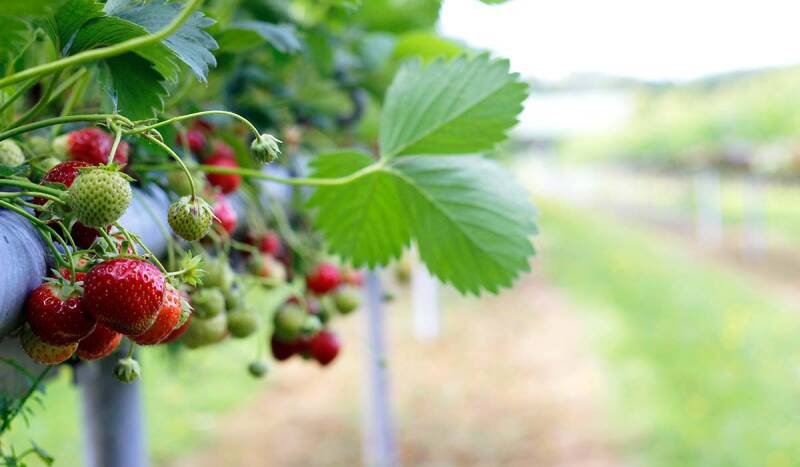
Florida's warm climate and diverse plant life create the perfect storm for pollen production. The long growing season allows trees, grasses, and weeds to release pollen for extended periods, making spring and even parts of the year tough for those with allergies.
Think of it this way: while other parts of the country are still thawing out, Florida's plants are already in full bloom, releasing massive amounts of pollen into the air. This early and intense pollen release contributes significantly to the allergy struggles experienced by many residents and visitors.
Pollen is a fine powder released by plants as part of their reproductive cycle. While essential for plant life, it's a major irritant for humans. When inhaled, pollen triggers an allergic reaction in susceptible individuals. This reaction causes the release of histamine, leading to common allergy symptoms such as:
For people with asthma, pollen can even trigger asthma attacks, making breathing difficult. It's not just a minor inconvenience; it can significantly impact quality of life.
Understanding the severity and causes of pollen allergies is crucial for several reasons:
In our opinion, the focus on regions like Florida highlights the importance of localized approaches to allergy management. General advice often falls short when dealing with the unique pollen profiles of different areas. Understanding which plants are the biggest culprits in a specific region is key to effective prevention and treatment.
Furthermore, the increase in pollen levels in recent years could be linked to climate change. Longer growing seasons and increased carbon dioxide levels can lead to greater pollen production, exacerbating allergy problems.
This could impact not just allergy sufferers, but also industries like tourism and outdoor recreation. People might be less inclined to visit areas known for high pollen counts, affecting the local economy.
The future of pollen allergies likely involves several trends:
Ultimately, managing pollen allergies requires a multi-faceted approach, combining individual strategies like medication and avoidance with broader environmental and public health initiatives. Staying informed about pollen levels and taking proactive steps can significantly improve quality of life for allergy sufferers.
In conclusion, the 'Living With Pollen' insights from Southwest Florida serve as a microcosm of the larger allergy challenges faced across America. By understanding the specific triggers and embracing preventative measures, we can all breathe a little easier during allergy season.