Telangana Female Dropout Rates Spike After Class 10: A Cause for Concern
A new survey reveals a concerning trend in Telangana: high dropout rates for girls after Class 10, particularly affecting tribal and marginalized communities. Understand the reasons behind this and its potential consequences.
Telangana Sees Alarming Rise in Female School Dropouts After Class 10
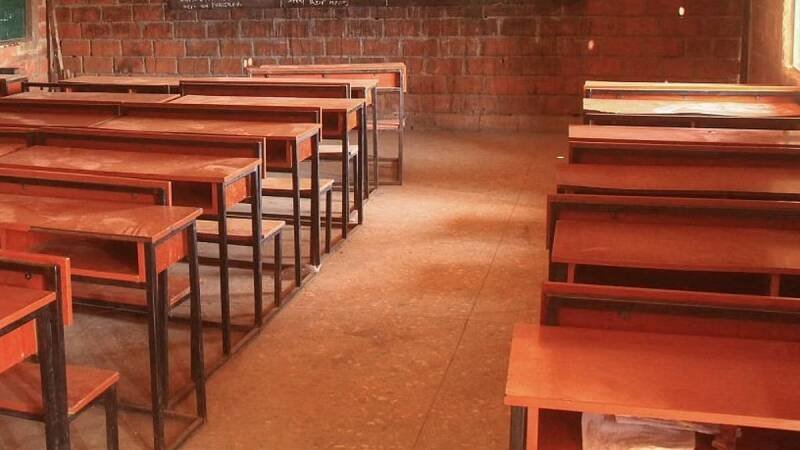
A recent survey has highlighted a worrying trend in Telangana: a significant number of girls are dropping out of school after completing Class 10. The study indicates that this issue disproportionately affects women from tribal and marginalized caste communities, raising serious concerns about educational equity and future opportunities for these young women.
The Key Findings
The survey data paints a concerning picture. While primary school enrollment rates for girls are generally positive, the retention rate dramatically decreases as they progress to higher secondary education. The drop-off is particularly pronounced after Class 10, suggesting systemic issues within the education system and broader socio-economic factors contribute to this problem. The impact is most severe for girls belonging to tribal and marginalized caste groups.
Why This News Matters
This isn't just about statistics; it's about the futures of countless young women. Education is a fundamental right and a key driver of social and economic mobility. When girls drop out of school, they face a significantly higher risk of early marriage, limited employment opportunities, and decreased overall well-being. This also perpetuates cycles of poverty and inequality within their communities. This concerning trend directly undermines efforts to promote gender equality and build a more inclusive society in Telangana. Addressing this issue is crucial for the long-term development of the state.
Our Analysis
Several factors likely contribute to this alarming trend.
* **Socio-economic constraints:** Families from marginalized communities often struggle to afford the costs associated with higher education, including tuition fees, books, and transportation. In some cases, girls may be pressured to contribute to the family income or take on household responsibilities, forcing them to choose between education and immediate needs.
* **Lack of access to quality education:** While schools may be present, the quality of education, especially in rural and tribal areas, may be lacking. This can discourage girls from continuing their education, as they may not feel adequately prepared for higher studies.
* **Social and cultural norms:** Deep-rooted social norms and biases can also play a significant role. In some communities, girls' education may not be prioritized compared to boys', and they may be encouraged to marry young instead of pursuing further studies.
* **Infrastructure Deficiencies:** Poor transportation and lack of safe and accessible sanitation facilities in schools, especially for girls, can also contribute to higher dropout rates.
In our opinion, a multi-faceted approach is needed to address this complex issue. Simply focusing on enrollment isn't enough; we need to prioritize retention and ensure that girls have the support and resources they need to succeed.
Future Outlook
The consequences of ignoring this issue could be severe. If the dropout rate remains high, Telangana risks losing a significant portion of its female workforce, hindering economic growth and perpetuating social inequalities.
Potential Solutions and Actions
* **Targeted financial assistance:** Providing scholarships and financial aid specifically for girls from tribal and marginalized communities can help alleviate the financial burden of education.
* **Improved infrastructure and facilities:** Investing in better schools, transportation, and sanitation facilities can create a more conducive learning environment for girls.
* **Community awareness campaigns:** Educating communities about the importance of girls' education and challenging harmful social norms can help shift attitudes and promote gender equality.
* **Mentorship programs:** Connecting girls with successful female role models can inspire them to pursue their educational goals and overcome challenges.
* **Skills training and vocational programs:** Offering relevant skills training programs can equip girls with the tools they need to secure employment and improve their economic prospects.
This could impact the future of Telangana’s social progress. A more educated female population can lead to better health outcomes, improved family well-being, and greater participation in decision-making processes.
In conclusion, the high female dropout rate in Telangana, particularly among tribal and marginalized communities, is a serious issue that requires urgent attention. By implementing targeted interventions and addressing the root causes, the state can ensure that all girls have the opportunity to reach their full potential and contribute to a brighter future. We believe that proactive and sustained efforts are essential to reverse this trend and create a more equitable and prosperous society for all.