Mamata Banerjee Counters PM Modi on Women's Representation: What It Means for India
Mamata Banerjee challenges PM Modi's claims on women's reservation, citing Trinamool Congress's high female representation. We analyze the political implications and future outlook.
Mamata Banerjee Counters PM Modi on Women's Representation Claims
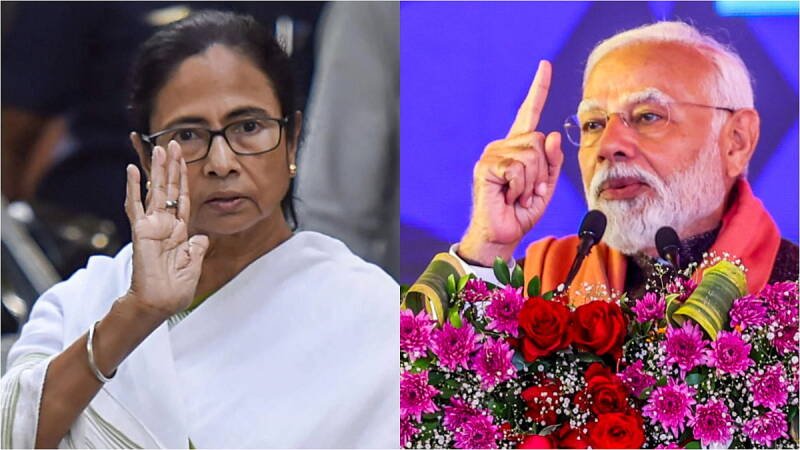
West Bengal Chief Minister Mamata Banerjee has publicly disputed Prime Minister Narendra Modi's statements regarding women's representation in Indian politics. Banerjee accused Modi of "misleading" the nation, asserting that her party, the Trinamool Congress (TMC), actually boasts the highest percentage of female representatives in Parliament.
The Core of the Dispute
The disagreement centers around claims made concerning the implementation of women's reservation in legislative bodies. While details of Modi's initial remarks are not explicitly outlined in the original report, Banerjee's response suggests a point of contention regarding which party has truly championed women's participation in politics.
Banerjee specifically highlighted the TMC's track record. She presented data indicating that her party surpasses others in the proportion of women holding seats in Parliament. The specific numbers or percentages weren't provided, but the core of her argument is that the TMC's actions speak louder than Modi's words.
Furthermore, Banerjee voiced opposition to the proposed delimitation exercise, describing it as an attempt to manipulate the federal balance of power, particularly with an eye towards the upcoming West Bengal elections. Delimitation refers to the redrawing of constituency boundaries, and it can significantly impact electoral outcomes.
Why This News Matters
This exchange between two of India's most prominent political figures has significant implications. Firstly, it brings the critical issue of women's representation back into the national conversation. Secondly, it underscores the intense political rivalry between the TMC and the BJP, particularly in the context of West Bengal. Finally, the debate over delimitation adds another layer of complexity, potentially impacting the electoral landscape in several states.
Our Analysis
In our opinion, Banerjee's strong rebuttal reflects the increasing political heat as elections approach. The timing suggests an effort to preempt potential BJP narratives and solidify the TMC's position as a champion of women's rights – a powerful message in a country striving for gender equality.
The debate around delimitation is equally crucial. Parties often view these exercises with suspicion, fearing that altered boundaries could disadvantage them. Banerjee's accusation of manipulation underscores the high stakes involved. This could impact voter demographics and seat distribution significantly, influencing the outcome of future elections.
The Role of Data and Transparency
It's important to note that the original report lacks specific data points. For a truly informed assessment, the public needs access to verifiable figures on women's representation across different parties and legislative bodies. Transparency is key to holding political leaders accountable and ensuring accurate public discourse.
Future Outlook
We expect this exchange to fuel further political debate and scrutiny. Expect counter-arguments from the BJP and continued emphasis on the TMC's record from Banerjee and her party. The delimitation issue will likely remain contentious, with opposition parties raising concerns about fairness and transparency.
This could impact the political landscape in the run-up to the West Bengal elections, as both parties strive to gain the upper hand. The focus on women's representation might also push other parties to re-evaluate their own records and commitments to gender equality in politics.
What's Next?
- Expect detailed data releases from both the TMC and the BJP to support their claims.
- Increased scrutiny of the delimitation process by opposition parties.
- Heightened political rhetoric and campaigning focused on women's rights and empowerment.
Ultimately, this exchange highlights the importance of holding political leaders accountable for their promises and actions regarding women's representation. The coming months will reveal whether this debate translates into tangible progress toward a more equitable and inclusive political system in India.