Hungary Election Upset: What It Means for Putin, Trump, and Democracy
The surprise defeat of Viktor Orbán in Hungary’s election signals a potential shift away from authoritarianism and raises questions about the future of Putin and Trump's influence.
Hungary Election Upset: What It Means for Putin, Trump, and Democracy
In a stunning turn of events, the recent Hungarian election saw the ousting of Viktor Orbán, the country's long-standing Prime Minister. While this is a major shift for Hungary itself, ripples from this election are being felt far beyond its borders, particularly in Moscow and within circles close to former President Donald Trump. Observers are noting potential parallels between Orbán's decline and diminishing support for certain political figures in the US and Europe.
The Key Players and the Outcome
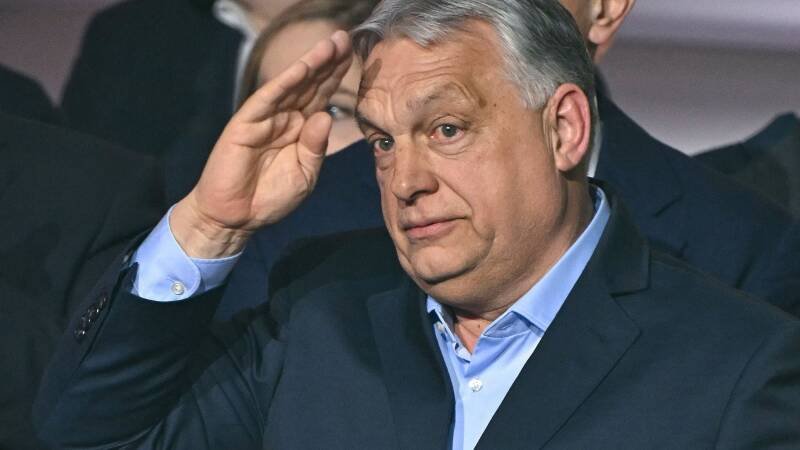
Viktor Orbán, a figure known for his increasingly authoritarian policies and close ties to both Vladimir Putin and Donald Trump, has been at the helm in Hungary for four terms. His policies have often been criticized for undermining democratic institutions and moving Hungary away from the core values of the European Union. The unexpected election result represents a significant victory for democratic forces within Hungary.
Why This News Matters
The Hungarian election outcome is important for several reasons:
- Democracy's Resilience: It demonstrates that even in countries where democratic institutions have been weakened, the will of the people can still prevail.
- Geopolitical Shifts: A change in leadership in Hungary could alter the balance of power within the EU and potentially impact relations with Russia.
- A Warning Sign?: The parallels between Orbán's loss of support and the challenges faced by similar political figures elsewhere suggest a potential shift in the global political landscape.
Our Analysis
The defeat of Viktor Orbán is undoubtedly a blow to Vladimir Putin. Orbán has been one of Putin’s staunchest allies within the European Union, often blocking or watering down sanctions against Russia. His departure removes a key advocate for Russian interests within the EU, potentially strengthening the bloc’s resolve in confronting Russian aggression. This could impact the war in Ukraine as the EU continues to impose restrictions on Russia's economy.
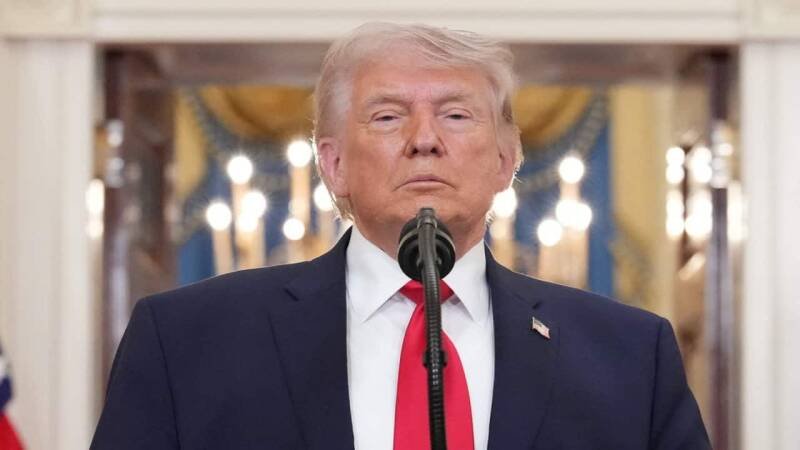
Similarly, the election results are concerning for Donald Trump. Orbán was seen as a model by some within the American right, and his loss raises questions about the long-term viability of similar political strategies. The reasons behind Orbán’s downfall – including concerns about corruption, economic stagnation, and erosion of democratic norms – may resonate with voters in other countries, including the United States. In our opinion, this election result serves as a reminder that voters are not easily swayed by populist rhetoric alone and will eventually demand accountability and competent governance.
Future Outlook
The future of Hungary is now uncertain. The incoming government will face the challenge of rebuilding democratic institutions, addressing economic inequalities, and restoring Hungary's standing within the European Union. It will also need to navigate complex geopolitical challenges, including the ongoing war in Ukraine and relations with Russia.
Potential Impacts on EU-Russia Relations
With Orbán out of the picture, the EU may find it easier to forge a united front against Russia. This could lead to stronger sanctions, increased support for Ukraine, and a more assertive stance towards Russian aggression. However, it is also possible that Russia will seek to exploit divisions within the EU to undermine its unity.
Implications for US Politics
The Hungarian election could embolden opponents of Donald Trump and similar political figures in the United States. It may also encourage voters to demand greater accountability from their elected officials and to prioritize democratic values over partisan loyalty. It remains to be seen whether these lessons will translate into significant political changes in the US, but the Hungarian election has certainly provided a source of hope for those who believe in the power of democracy.
The task now for the new Hungarian government is immense. They face the challenge of undoing years of what many consider anti-democratic changes and restoring the country's reputation on the international stage. This is a test case for whether a nation can effectively course-correct away from authoritarian tendencies, a challenge many nations face today.