South Dakota Democrats Face Uphill Battle: Uncontested Races Raise Concerns
South Dakota Democrats are struggling to field candidates, leaving many legislative seats uncontested. This could significantly impact the party's influence in upcoming elections.
South Dakota Democrats Struggle to Field Candidates, Leaving Many Seats Uncontested
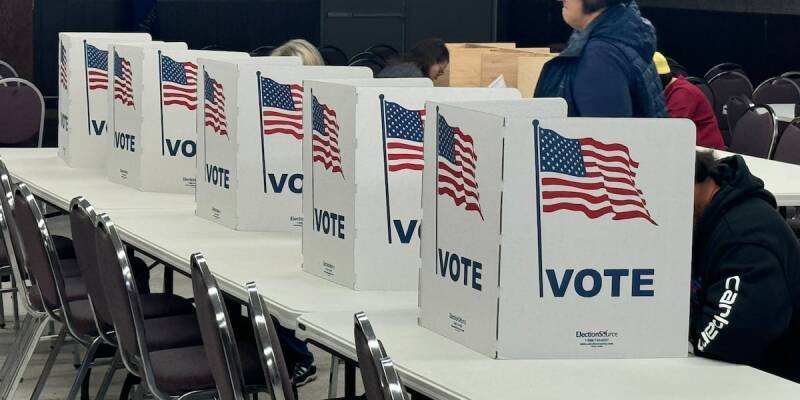
South Dakota Democrats are facing a significant challenge in the upcoming elections. The party is running candidates for only 46 of the 105 legislative seats in the state. This means that a majority of seats – more than half – will be uncontested, essentially handing them to the Republican Party.
The Impact of Uncontested Races
Having so many uncontested races raises serious questions about the Democratic Party's ability to effectively represent voters and influence policy in South Dakota. When candidates run unopposed, there's no real competition or debate about important issues. This can lead to lower voter turnout and a feeling of disenfranchisement among voters.
Why This News Matters
This situation highlights a deeper issue: the growing divide between the Republican and Democratic parties in South Dakota. The lack of Democratic candidates suggests that the party is struggling to recruit and support individuals willing to run for office, especially in more conservative areas of the state. This could solidify the Republican Party's dominance in the South Dakota legislature for the foreseeable future. It also means fewer voices advocating for Democratic values and policy priorities.
Our Analysis
In our opinion, the Democratic Party's inability to field candidates for a majority of legislative seats reflects a combination of factors. These might include:
- A challenging political climate in a heavily Republican state.
- Difficulties in fundraising and attracting volunteers.
- A lack of strong local party infrastructure in some areas.
- Potential discouragement among potential candidates due to perceived slim chances of winning.
This lack of competition is not healthy for democracy. It deprives voters of choices and reduces accountability. The absence of Democratic voices in legislative debates could lead to policies that don't adequately address the needs of all South Dakotans.
The Importance of a Strong Opposition
A strong opposition party plays a vital role in holding the ruling party accountable. They can scrutinize legislation, offer alternative solutions, and ensure that different perspectives are considered. Without a robust Democratic presence in the legislature, the Republican Party may face less pressure to compromise or consider the needs of minority groups.
Future Outlook
Looking ahead, the South Dakota Democratic Party faces an uphill battle. They need to focus on rebuilding their party infrastructure, recruiting and supporting strong candidates, and connecting with voters on issues that matter to them.
This could involve:
- Targeting specific districts where they have a realistic chance of winning.
- Focusing on grassroots organizing and voter registration drives.
- Developing a clear and compelling message that resonates with South Dakota voters.
- Actively recruiting and mentoring potential candidates, offering financial and logistical support.
This could impact future elections. Without significant changes, the trend of uncontested races could continue, further marginalizing the Democratic Party and limiting the diversity of voices in the South Dakota legislature. In our opinion, the next few years will be critical for the party to demonstrate its relevance and rebuild its strength.
Ultimately, a healthy democracy requires strong and competitive political parties that can effectively represent the interests of all citizens. The current situation in South Dakota highlights the challenges faced by the Democratic Party and the importance of working to create a more balanced and representative political landscape.