Iran Strait of Hormuz Control: Trump Warning & Global Implications
Iran increases control over the Strait of Hormuz. Trump responds with a warning. Understand the potential global impact and what it means for oil prices and international relations.



Iran increases control over the Strait of Hormuz. Trump responds with a warning. Understand the potential global impact and what it means for oil prices and international relations.
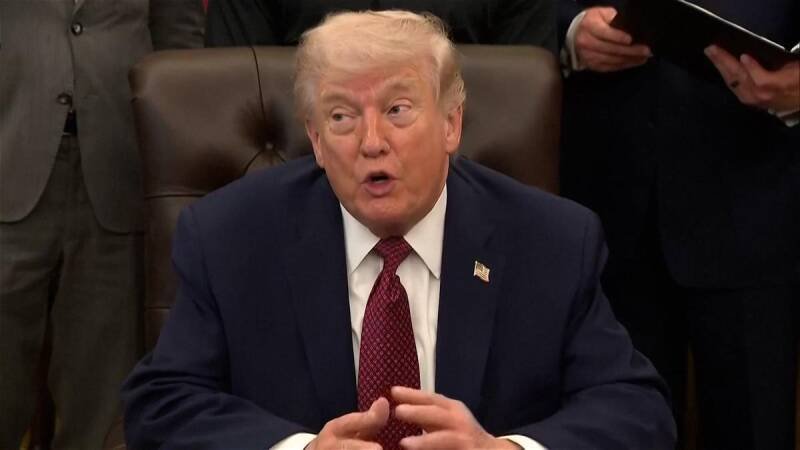
Recent reports indicate that Iran has tightened its control over the Strait of Hormuz, a vital waterway for global oil trade. This move has prompted a strong warning from the United States, with former President Trump accusing Iran of "blackmail." The situation is rapidly escalating, raising concerns about potential disruptions to oil supplies and increased geopolitical instability.
The Strait of Hormuz is a narrow channel connecting the Persian Gulf to the Gulf of Oman and the Arabian Sea. It's one of the world's most strategically important choke points, with a significant portion of the world's oil supply passing through it daily. Any disruption to traffic through this strait can have a dramatic impact on global energy markets.
According to Iranian state media, the increased control is a response to what they describe as a continued US "blockade" of Iranian ports. They claim this blockade violates a previously agreed-upon ceasefire (presumably related to the Iran nuclear deal or related agreements). It’s important to note that the US denies an official blockade, rather asserting sanctions and limitations on financial transactions with Iran. This difference in interpretation fuels the ongoing conflict.
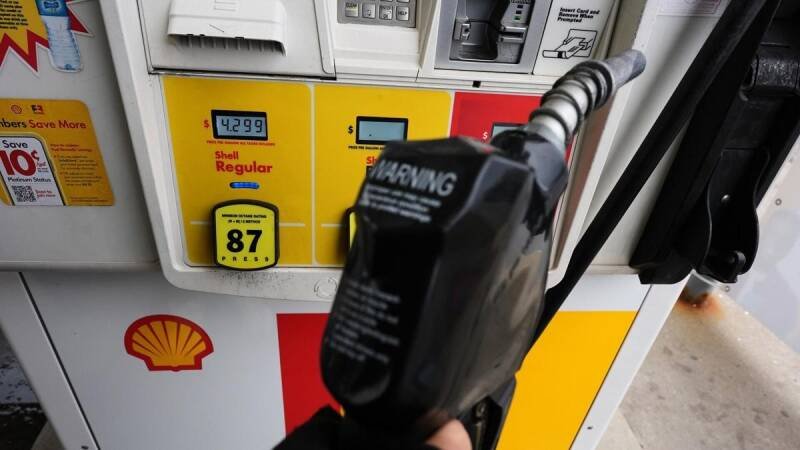
The Strait of Hormuz is a critical artery for the global economy. Any interference with shipping through this waterway can have significant consequences:
In our opinion, Iran's actions are a calculated move to exert leverage in its ongoing disputes with the US. By increasing its presence in the Strait of Hormuz, Iran is signaling its ability to disrupt global trade and potentially retaliate against perceived economic pressure. This also plays into the domestic audience of Iran, portraying a strong image during hardship. The US warning further exacerbates the situation, creating a dangerous cycle of escalation. We believe the US must respond firmly, but any military action or aggressive rhetoric should be carefully considered to avoid a wider conflict. The rhetoric of the US should be less aggressive and more focus on a cooperative environment.
The "blockade" mentioned by Iran is likely referring to the broad economic sanctions imposed by the US, particularly those reinstated after the US withdrew from the Iran nuclear deal. While not a physical blockade in the traditional sense, these sanctions severely restrict Iran's access to international markets and financial systems.
The future of the Strait of Hormuz remains uncertain. Several factors could influence the situation:
This situation demands careful monitoring and a diplomatic approach. Failure to address the underlying issues could have serious consequences for the global economy and international security. This could impact all consumers and businesses around the world.