NCR Workers Demand Fair Wages: Understanding the Protests and Their Impact
Explore the rising worker agitation in Delhi NCR, fueled by inflation and demands for a Rs 26,000 minimum wage. Understand the causes, impacts, and future implications.



Explore the rising worker agitation in Delhi NCR, fueled by inflation and demands for a Rs 26,000 minimum wage. Understand the causes, impacts, and future implications.
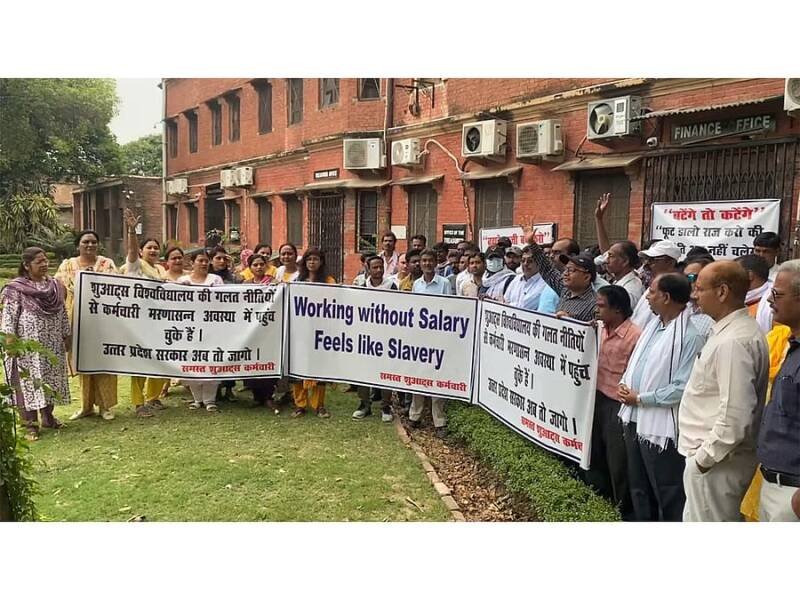
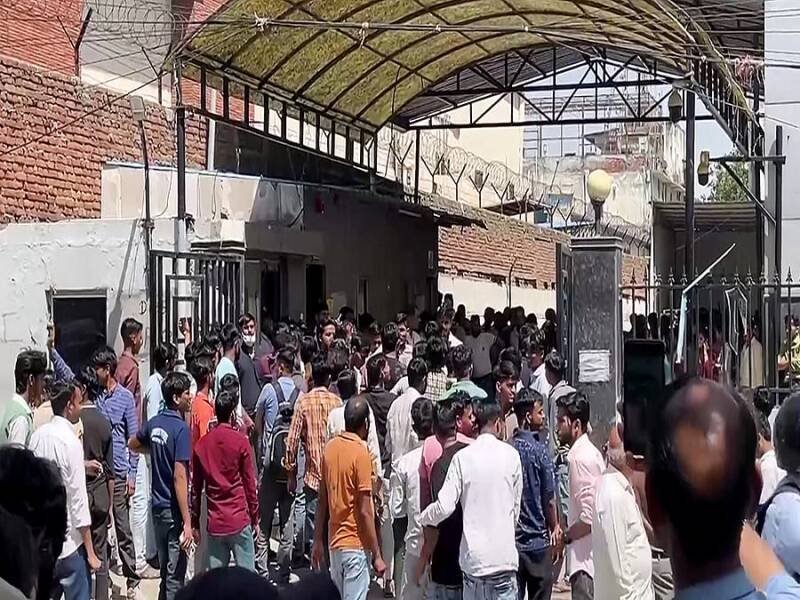
Delhi NCR (National Capital Region) is currently experiencing significant worker unrest. A key driver is the demand for a uniform minimum wage of Rs 26,000 per month across the region. This demand has been amplified by rising inflation and the feeling that current wages simply aren't enough to cover basic living expenses.
The agitation is rooted in the growing disparity between the cost of living in Delhi NCR and the wages earned by many workers, particularly those in the unorganized sector. The proposed Rs 26,000 minimum wage is seen as a crucial step towards ensuring a decent standard of living. Arrests related to the protests have further inflamed tensions, adding fuel to the fire.
MA Baby, a prominent political figure, has written to Prime Minister Narendra Modi, highlighting the urgency of the situation and advocating for the implementation of this uniform minimum wage. This letter underscores the gravity of the issue and the need for government intervention.
This situation affects everyone. A stable and fairly compensated workforce is essential for a healthy economy. Worker unrest can disrupt production, impact supply chains, and ultimately affect consumers. The demand for a higher minimum wage reflects a broader struggle for economic justice and highlights the challenges faced by low-wage workers in keeping up with rising inflation.
If the government doesn't address these concerns, we could see escalating protests and further disruption. Moreover, a failure to provide a living wage can lead to increased poverty and inequality, undermining social stability.
In our opinion, the workers' demands are understandable given the current economic climate. Inflation has significantly eroded the purchasing power of wages, making it difficult for many families to make ends meet. While implementing a uniform minimum wage of Rs 26,000 across the entire Delhi NCR region presents logistical and economic challenges, it's crucial to explore viable solutions to address the workers' legitimate concerns.
The government needs to engage in meaningful dialogue with worker representatives, employers, and economic experts to find a fair and sustainable solution. Ignoring the problem will only exacerbate the situation and potentially lead to more widespread and disruptive protests.
The future of this situation hinges on how the government responds to the workers' demands. If the government takes proactive steps to address the issue, we could see a resolution that benefits both workers and businesses. However, if the government remains unresponsive, we can anticipate continued protests and potential escalation.
This could impact investor confidence in the region. Sustained labor unrest can create uncertainty and discourage investment, ultimately hindering economic growth. Therefore, finding a solution that promotes fairness and stability is crucial for the long-term prosperity of Delhi NCR.
Ultimately, finding a balanced approach that addresses the needs of workers while considering the economic realities of businesses will be key to resolving this conflict and ensuring a more equitable and sustainable future for all stakeholders in the Delhi NCR region.