Saudi Arabia, Turkiye, Pakistan, and Egypt Unite for Regional De-escalation: Analysis and Future Outlook
Foreign ministers from Saudi Arabia, Turkiye, Pakistan, and Egypt met in Antalya to discuss regional de-escalation. Explore the significance, analysis, and future implications of this critical meeting.
Saudi Arabia, Turkiye, Pakistan, and Egypt Unite for Regional De-escalation
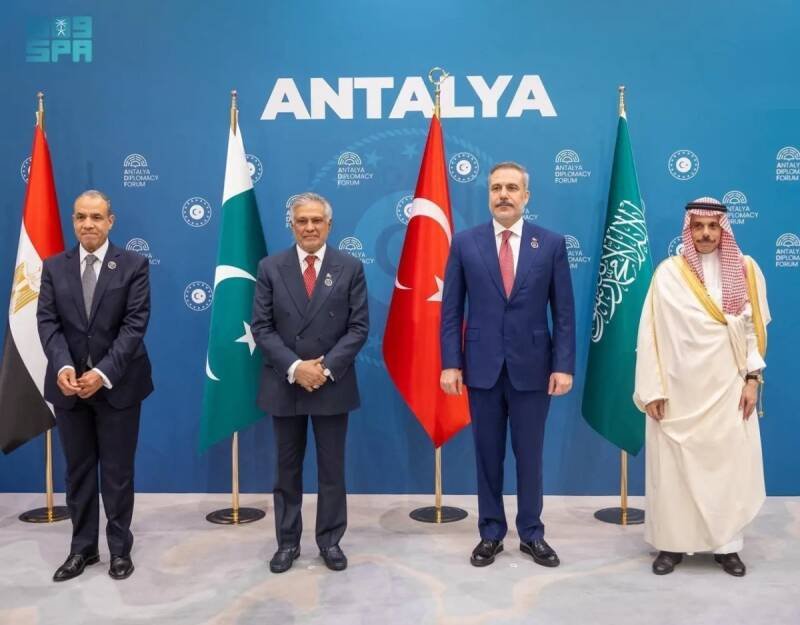
In a significant move towards regional stability, the foreign ministers of Saudi Arabia, Turkiye, Pakistan, and Egypt convened in Antalya, Turkiye, to address pressing issues and seek avenues for de-escalation. The meeting highlights a collective concern for the potential security and economic fallout of escalating conflicts in the region and beyond.
Key Focus: De-escalation and Economic Stability
The primary focus of the quadrilateral ministerial meeting was on exploring strategies to contribute to regional de-escalation. The ministers emphasized the importance of preventing further conflict to safeguard both regional and global security, and to mitigate potential negative impacts on the global economy.
Pakistan's Mediation Efforts
A central point of discussion was Pakistan's ongoing efforts to mediate and establish a permanent ceasefire between Iran and the United States. The ministers expressed support for Pakistan's initiatives and recognized the potential for these efforts to significantly contribute to regional stability.
The meeting was attended by key figures including:
- Saudi Minister of Foreign Affairs Prince Faisal bin Farhan
- Turkish Minister of Foreign Affairs Hakan Fidan
- Pakistani Deputy Prime Minister and Minister for Foreign Affairs Mohammad Ishaq Dar
- Egyptian Minister of Foreign Affairs, Emigration and Egyptian Expatriates Dr. Badr Abdelatty
Why This News Matters
This meeting is crucial because it signifies a concerted effort by key Islamic nations to proactively address regional tensions. Escalating conflicts in the Middle East have far-reaching consequences, affecting global energy markets, trade routes, and international security. This collaborative approach aims to prevent further destabilization and promote peaceful resolutions. Supporting Pakistan's role as a mediator shows a confidence in diplomatic solutions to complex issues. This alliance could become a powerful force for peace in the region.
Our Analysis
In our opinion, this quadrilateral meeting represents a pragmatic approach to regional diplomacy. By focusing on de-escalation and supporting mediation efforts, these nations are taking a proactive stance to avert potential crises. The inclusion of Saudi Arabia, Turkiye, Pakistan, and Egypt—each with significant regional influence—lends considerable weight to this initiative. The emphasis on mitigating economic repercussions suggests a deep understanding of the interconnectedness of global economies and the far-reaching impact of regional conflicts.
It's particularly noteworthy that Pakistan's mediation efforts are receiving such strong support. This could signal a shift towards greater reliance on diplomatic solutions and a willingness to engage with all parties involved in regional disputes.
Future Outlook
The success of this initiative hinges on continued dialogue and commitment from all parties involved. Follow-up meetings and concrete action plans will be essential to translate these discussions into tangible results. This could impact the future trajectory of regional conflicts, potentially paving the way for more peaceful resolutions and greater stability. However, challenges remain. Diverging interests and historical tensions among regional actors could hinder progress. The long-term effectiveness of this quadrilateral cooperation will depend on the ability of these nations to overcome these obstacles and maintain a unified front in the pursuit of regional peace.
Moving forward, we expect to see increased diplomatic activity, further discussions among these and other regional players, and potentially the development of concrete proposals for conflict resolution and economic cooperation. The world will be watching to see if this meeting translates into meaningful progress towards a more stable and prosperous Middle East.