Iran Claims Military Control Over Strait of Hormuz: Implications and Analysis
Iran has announced reasserted military control over the Strait of Hormuz. This article breaks down what this means, why it matters, and its potential impact on global trade and security.
Iran Says It Controls the Strait of Hormuz: What You Need to Know
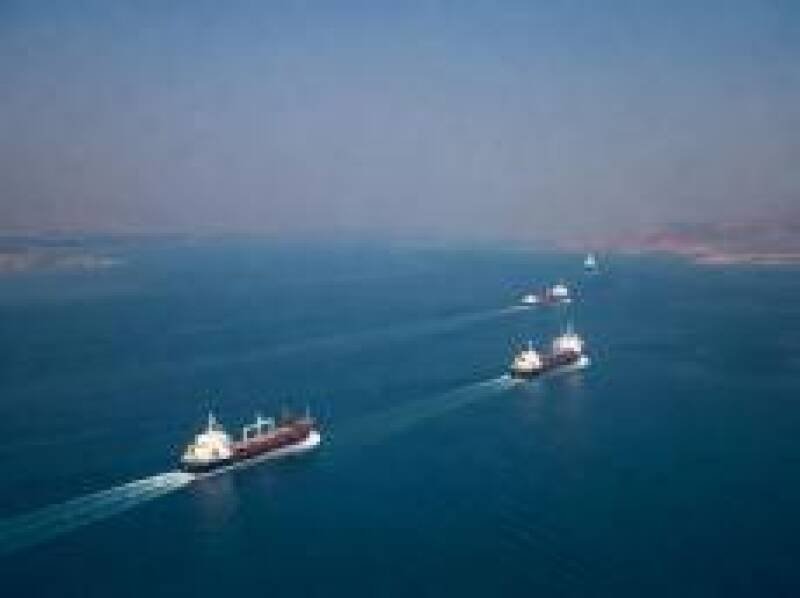
Recent news reports indicate that Iran has declared it has reasserted military control over the Strait of Hormuz. This strategically vital waterway connects the Persian Gulf to the Gulf of Oman and the Arabian Sea, and serves as a crucial passage for global oil shipments. Let's break down what this means and why it's significant.
What is the Strait of Hormuz?
The Strait of Hormuz is one of the world's most important chokepoints for oil transit. Roughly 20% of the world's total petroleum liquids and a significant portion of liquefied natural gas (LNG) pass through it daily. This narrow waterway is only about 21 miles wide at its narrowest point, making it susceptible to disruption.
Given the volume of energy that flows through this area, any threat to its stability has global repercussions.
What Does "Military Control" Mean?
When Iran claims "military control," it typically refers to its ability to monitor and potentially impede navigation through the Strait. This involves the presence of Iranian naval forces, including patrol boats, missile batteries, and submarines. While Iran routinely patrols the Strait, heightened alerts or aggressive posturing often signal increased tensions.
Why This News Matters
This announcement, whether strictly true or partially posturing, carries significant weight. Here's why:
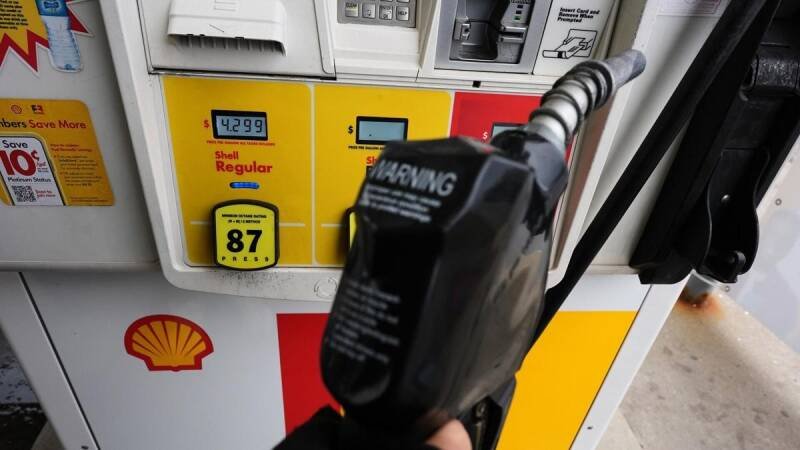
- Global Oil Supply: Disruption to traffic in the Strait could lead to a significant spike in oil prices, impacting economies worldwide.
- Regional Instability: Increased Iranian military presence could escalate tensions with regional rivals, particularly Saudi Arabia and the United Arab Emirates.
- International Relations: This claim puts Iran in direct contention with the United States, which has long maintained a naval presence in the region to ensure freedom of navigation.
- Shipping Costs and Insurance: The cost of shipping via this route will rise immediately, with many companies likely to purchase additional insurance.
Our Analysis
In our opinion, Iran's statement is likely a multi-faceted message. First, it serves as a display of power and a reminder of its regional influence. Second, it could be a bargaining chip in ongoing negotiations, particularly regarding sanctions relief. Third, it sends a message to the US and its allies about the consequences of any military action against Iran.
While Iran may not be capable of completely closing the Strait for a prolonged period due to the potential for international intervention, it certainly possesses the capability to disrupt shipping and create a significant security risk.
Potential US Response
The US Navy maintains a significant presence in the Persian Gulf and has repeatedly stated its commitment to ensuring freedom of navigation through the Strait. Any attempt by Iran to impede shipping could provoke a swift and decisive response from the US.
Future Outlook
The situation in the Strait of Hormuz remains highly volatile. Several factors could influence future developments:
- Nuclear Negotiations: Progress or setbacks in the Iranian nuclear negotiations could significantly impact regional tensions.
- US-Iran Relations: The overall state of relations between the US and Iran will continue to be a crucial factor.
- Regional Conflicts: Escalation of conflicts in Yemen, Syria, or other regional hotspots could spill over and affect the Strait.
This could impact shipping companies and international relations for many years to come.
Ultimately, the future of the Strait of Hormuz hinges on diplomatic efforts, regional stability, and the willingness of all parties to de-escalate tensions. Continued monitoring and analysis are crucial to understanding the evolving dynamics of this critical waterway.