Narrowing the Definition of Homelessness: What it Means and Why it Matters
A deep dive into the NSO's changing definition of homelessness, its implications, and what it means for the future of housing and social services.
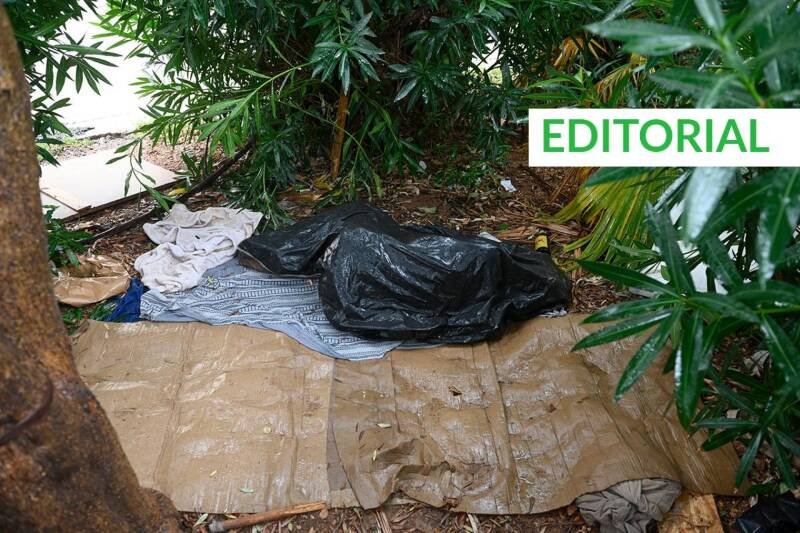



A deep dive into the NSO's changing definition of homelessness, its implications, and what it means for the future of housing and social services.
A recent shift in how the National Statistical Office (NSO) in India defines homelessness is raising eyebrows and sparking debate. The NSO is now focusing primarily on individuals sleeping on the streets, effectively narrowing the scope of what it considers to be "homeless." This change, while seemingly technical, has significant implications for how we understand and address the pervasive issue of homelessness.
Previously, the definition encompassed a broader range of vulnerable individuals, including those living in temporary shelters, dilapidated buildings, or other insecure housing situations. This broader definition painted a more comprehensive picture of the challenges faced by the most marginalized in society.
The change seemingly focuses only on people sleeping on the streets. This more restrictive definition automatically reduces the official numbers of people experiencing homelessness. While simplifying data collection to those most visable, it also raises concerns about leaving out a significant segment of the homeless population who are not on the street but still lack secure housing.
The way we define homelessness directly impacts the resources allocated to address it. A narrower definition could lead to an underestimation of the problem's true scale, potentially resulting in reduced funding for vital social programs and services. This, in turn, could exacerbate the struggles of those already facing immense hardship.
Imagine a city allocating resources based on the number of people visibly sleeping on the streets. Shelters operating beyond capacity or families couch-surfing to avoid street life might be overlooked, leading to a misallocation of resources.
In our opinion, while data simplification can improve efficiency, narrowing the definition of homelessness presents a risk. It's crucial to remember that homelessness is a complex issue with many faces. Ignoring those who are "hidden homeless" – individuals and families living in precarious or temporary situations – doesn't make the problem disappear. It simply makes it harder to see and address effectively.
This change, in our view, also runs counter to a holistic approach to social welfare. If we only measure those who are openly homeless, we risk missing the preventative opportunities that address homelessness before it results in someone living on the street.
The long-term effects of this definitional shift remain to be seen. However, this change could impact several key areas:
We believe it is imperative for the NSO to clarify the rationale behind this change and to ensure that data collection methodologies are transparent and inclusive. Furthermore, there's a need for a broader public conversation about the various facets of homelessness and the importance of comprehensive, multifaceted solutions.
This could impact NGO's reporting on the numbers, as well as their ability to raise funds for the people they are trying to help.
Only by acknowledging the full scope of the problem can we hope to create a society where everyone has access to safe, stable, and affordable housing. We hope to see further debate on this potentially worrying change.