Fuel Prices Impact Workers' Pay: A Deeper Look
Soaring fuel costs are hitting workers hard, effectively causing a pay cut. We examine the reasons, the impact, and the potential future.



Soaring fuel costs are hitting workers hard, effectively causing a pay cut. We examine the reasons, the impact, and the potential future.
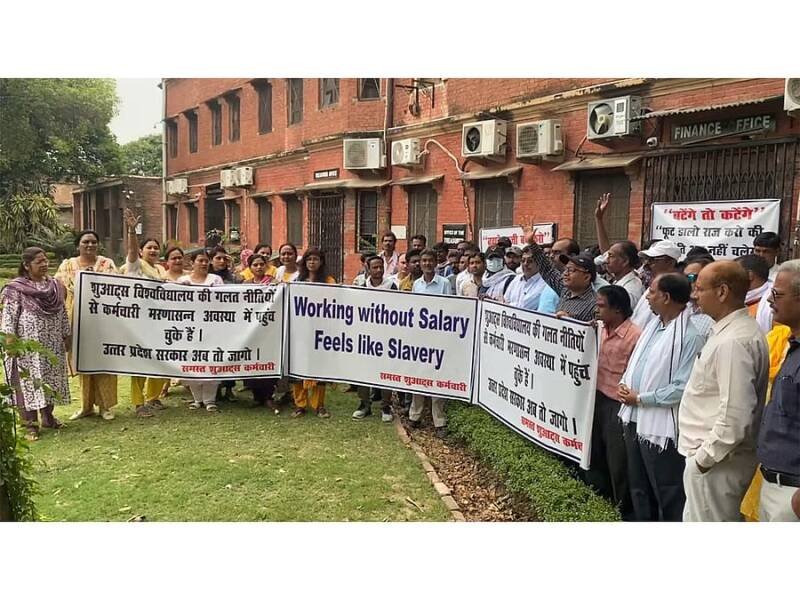
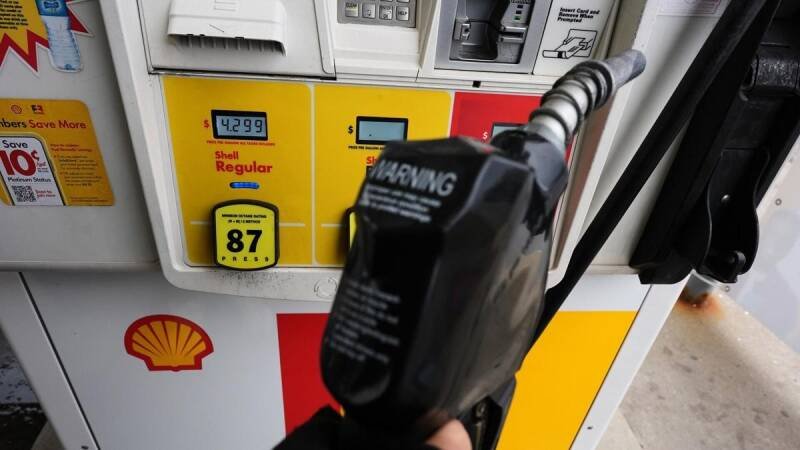
Many workers are feeling the pinch as high fuel prices effectively reduce their take-home pay. With the cost of filling up their cars soaring, especially for those who rely on their vehicles for commuting or work-related travel, the rising prices are eating into their earnings.
One anonymous individual highlighted their predicament: "High fuel prices have caused me a pay cut." This simple statement encapsulates the reality for countless individuals across the country.
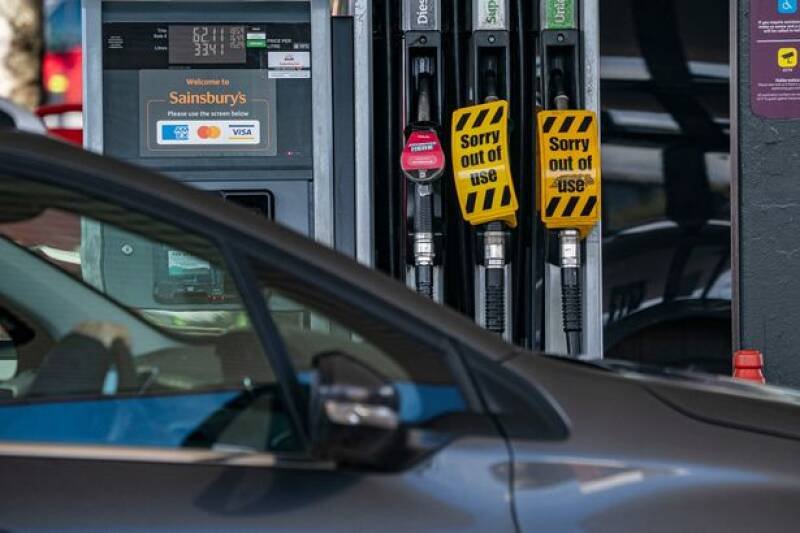
The cost of petrol and diesel has been steadily increasing, driven by a confluence of factors including global oil market volatility, geopolitical tensions, and supply chain disruptions. These external pressures are translated directly to the prices at the fuel pumps, impacting consumers immediately.
It's not just about the increased cost of getting to work; it also affects those who use their vehicles for deliveries, sales, or other essential business activities. They are now faced with the difficult choice of either absorbing the higher costs, passing them on to customers (potentially losing business), or reducing their working hours.
This isn't just about individual financial struggles; it has broader economic implications. Reduced disposable income due to high fuel costs can lead to decreased spending in other areas of the economy, potentially slowing down growth and exacerbating inflationary pressures. Furthermore, it can worsen existing inequalities, disproportionately affecting low-income households and those in rural areas with limited access to public transportation.
The statement about the Labour Party, "Labour used to represent the working class but seemingly now serves workshy," speaks to a perceived disconnect between the party and its traditional base. Whether true or not, this sentiment reflects a growing frustration among some workers who feel their concerns are not being adequately addressed by political leaders.
In our opinion, the rising fuel prices are a symptom of a larger economic malaise. While global factors play a role, domestic policies also contribute to the problem. The government's approach to energy security, taxation on fuel, and investment in alternative transportation infrastructure are all factors that can either mitigate or exacerbate the impact on workers.
The criticism leveled at the Labour Party is significant. It suggests that a segment of the working class feels alienated and unrepresented. This could impact future election outcomes and highlights the importance of political parties addressing the economic concerns of ordinary people.
The future remains uncertain. If global oil prices continue to rise, or if the government fails to implement effective policies to address the cost of living crisis, the situation for workers could worsen. This could lead to increased financial hardship, decreased economic activity, and further political polarization.
However, there are also potential positive developments. Increased investment in renewable energy sources, improved public transportation networks, and government intervention to stabilize fuel prices could all help to alleviate the burden on workers. This could impact the economy positively.
It is crucial for policymakers to listen to the concerns of working people and take decisive action to address the root causes of the problem. Failure to do so could have serious consequences for the economy and society as a whole.